


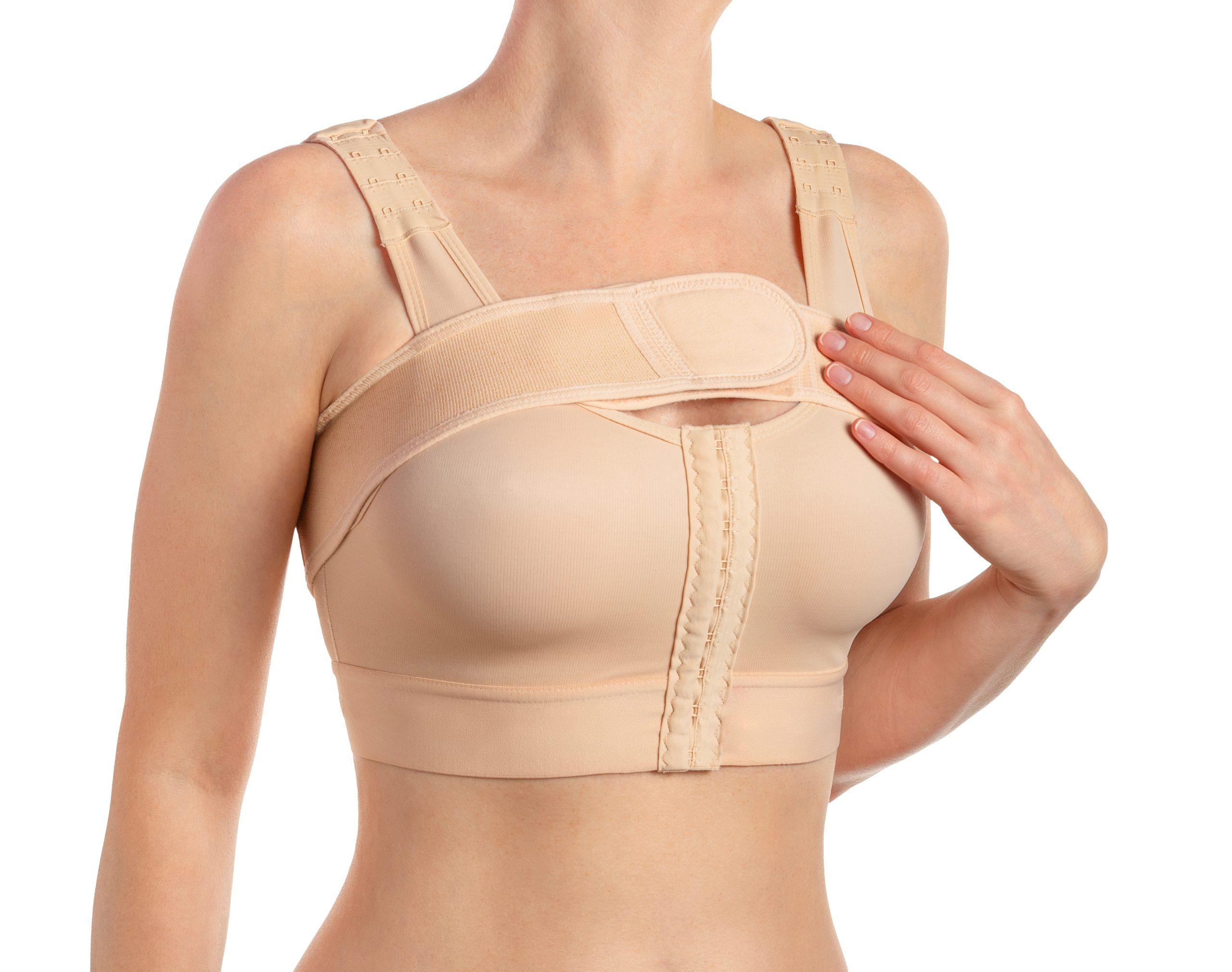
Breast augmentation is one of the most popular cosmetic procedures worldwide, including in Riyadh. Choosing the right implant size and shape is crucial for achieving natural-looking results, proportionality, and patient satisfaction. Implants are not “one-size-fits-all”; they vary widely in volume, projection, and contour. Understanding the terminology and how these factors interact with your body can help you make informed decisions with your surgeon. Breast augmentation surgery in Riyadh has become increasingly popular among individuals seeking to enhance their body confidence and achieve a more proportionate figure.
1. Understanding Implant Sizes
Volume (Measured in Cubic Centimeters - cc)
The most common way breast implants are categorized is by their volume, measured in cubic centimeters (cc). Typical ranges are:
-
Small: 100–250 cc
-
Medium: 250–400 cc
-
Large: 400–600 cc
-
Extra-large: 600+ cc
The volume determines how much the breast will be augmented. For instance, a 250 cc implant might give a modest increase in cup size, while a 450 cc implant will provide a more noticeable enhancement.
Factors Affecting Size Choice
Several factors influence which volume is ideal:
-
Body Frame: Taller or broader women may require larger implants to achieve proportionate results.
-
Existing Breast Tissue: Women with more natural tissue may achieve a fuller look with smaller implants, while those with minimal tissue may need larger implants to reach the same cup size.
-
Desired Outcome: Some patients prefer subtle enhancement, while others want a dramatic change. Surgeons use sizers during consultation to simulate the final look.
-
Lifestyle Considerations: Very large implants may interfere with physical activities, especially sports.
2. Understanding Implant Shapes
The shape of the implant influences the contour, projection, and overall aesthetic outcome. There are two main categories: round implants and anatomical (teardrop) implants.
Round Implants
Round implants are symmetrical in all directions, which means the implant looks the same even if it rotates inside the breast pocket.
Characteristics:
-
Provide fullness in the upper breast area.
-
Often create a more youthful, augmented appearance.
-
Ideal for patients seeking enhanced cleavage and a more “voluptuous” look.
Round implants are very popular in Riyadh due to their versatility and ability to produce natural results in most patients.
Anatomical (Teardrop) Implants
Teardrop or anatomical implants mimic the natural slope of the breast, being fuller at the bottom and tapered at the top.
Characteristics:
-
Provide a natural-looking contour, especially for women with minimal breast tissue.
-
Require a textured surface in many cases to prevent rotation.
-
Ideal for subtle enhancement or reconstructive purposes.
3. Implant Profile
The profile of an implant refers to how far it projects forward from the chest wall. Implant profiles are usually categorized as low, moderate, high, or ultra-high.
-
Low Profile: Less projection; wider base; often used in naturally wide chests.
-
Moderate Profile: Balanced projection and base; suitable for many patients.
-
High Profile: Greater projection with a narrower base; good for narrow chest widths.
-
Ultra-High Profile: Maximum projection; used for dramatic aesthetic goals.
The profile interacts with the implant volume to determine the final appearance. For example, a 400 cc high-profile implant will project more than a 400 cc moderate-profile implant, even though the volume is identical.
4. Implant Diameter
Another important measurement is the base diameter, which corresponds to the width of the implant where it meets the chest. Matching the implant diameter to your natural breast base ensures proportionality and avoids an unnatural look. Surgeons often measure the breast base and chest width to select the optimal implant diameter.
5. Factors That Influence the Choice of Shape and Size
-
Body Anatomy: Your chest width, breast width, and existing breast tissue dictate what implants will look proportional.
-
Lifestyle and Activity Level: Highly active women may prefer smaller or moderate-profile implants for comfort.
-
Skin Elasticity: Adequate skin elasticity allows the breast to accommodate larger implants without excessive stretching.
-
Desired Aesthetic Outcome: The combination of size, shape, and profile is tailored to whether you want subtle enhancement, a natural look, or a dramatic increase.
-
Symmetry Concerns: Sometimes, different implant sizes or shapes are used in each breast to correct asymmetry.
6. How Surgeons Help Decide
During consultation in Riyadh, surgeons typically:
-
Take measurements of your chest, breast base, and existing tissue.
-
Use implant sizers in a bra to simulate how different volumes and profiles will look.
-
Discuss the trade-offs between size, shape, and projection to match your goals and body proportions.
-
Explain the risks and limitations associated with very large or high-profile implants, including stretching, sagging, or unnatural appearance.
Conclusion
Choosing the right breast implant size and shape is a critical step in achieving satisfactory results. It requires careful consideration of your body anatomy, lifestyle, and desired appearance. Surgeons in Riyadh are experienced in guiding patients through these decisions, ensuring that implants are proportional, natural-looking, and aligned with aesthetic goals. Understanding implant volume, profile, diameter, and shape helps you make informed choices and sets realistic expectations for the outcome of your breast augmentation procedure.

 English
 Arabic
 French
 Spanish
 Portuguese
 Turkish
 Dutch
Dutch
 Italiano
 Russian
 Romaian
 Portuguese (Brazil)
 Greek
Greek