


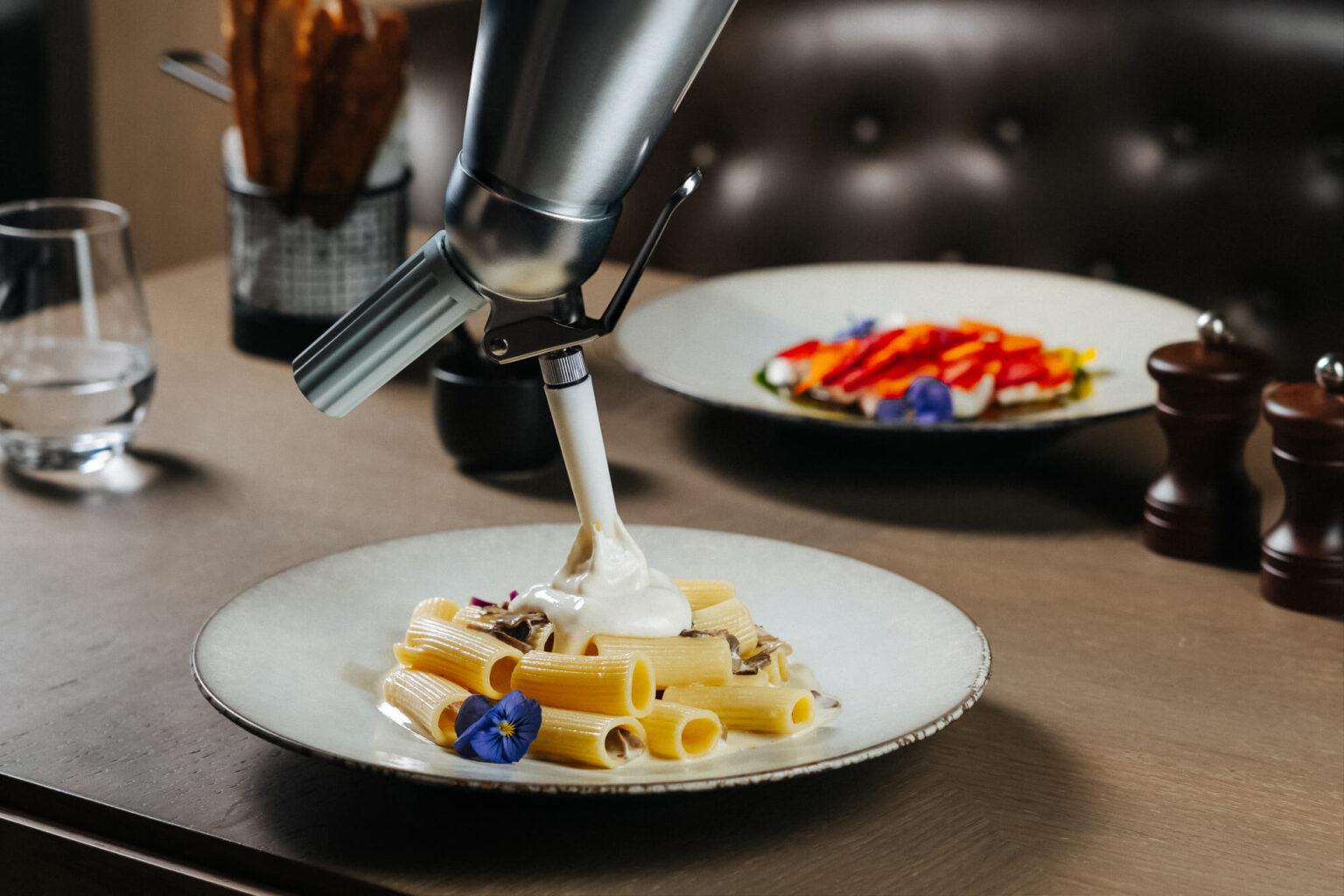
How Fusion Cuisine Became Popular in Dubai Restaurants
Dubai's restaurant industry has transformed dramatically over two decades, with fusion cuisine becoming a defining characteristic of the city's culinary identity. Understanding this evolution reveals how demographic diversity, economic investment, and infrastructure development can reshape an entire food market.
The Demographic Foundation
Dubai's population composition creates ideal conditions for culinary fusion. Expatriates represent approximately 85% of residents, bringing culinary expertise from over 200 nationalities. This demographic structure provides restaurants with diverse kitchen talent and adventurous customers willing to try novel flavor combinations.
Chef diversity within Dubai's kitchens enables authentic fusion development. A typical upscale kitchen employs a head chef trained in French techniques, a sous chef with Japanese culinary education, and line cooks with expertise in Indian, Lebanese, or Filipino cooking. This talent concentration allows restaurants to execute complex fusion concepts with genuine understanding of each component cuisine.
Ingredient accessibility supports ambitious menu development. Dubai's position as a global logistics hub ensures year-round availability of specialty items japanese yuzu, Italian truffles, Indian spices, and Middle Eastern rose water all reach restaurant kitchens within 24-48 hours of production.
Economic Drivers
Tourism volume directly influences restaurant innovation. Dubai welcomed 14.36 million international visitors in 2022, with tourists seeking distinctive dining experiences unavailable in their home countries. Fusion restaurants meet this demand by offering memorable meals that justify premium pricing.
Real estate development patterns shaped where fusion establishments cluster. Neighborhoods like Jumeirah developed as upscale residential and commercial districts. A restaurant in Jumeirah 3 benefits from proximity to affluent residents, beach tourism, and the area's reputation as a lifestyle destination. These location advantages support the higher ingredient costs and skilled labor required for complex fusion menus.
Investment capital availability enabled culinary risk-taking. Dubai's business-friendly environment meant restaurateurs could fund experimental concepts that traditional investors might consider too risky.
Infrastructure Enabling Success
Cold chain infrastructure maintains ingredient quality across global supply networks. Dubai's advanced refrigeration facilities and temperature-controlled logistics ensure fresh seafood from Tokyo or truffles from Italy arrive in optimal condition. This reliability is essential fusion dishes often depend on peak ingredient freshness.
Kitchen equipment standards match international benchmarks. Modern ventilation allows high-heat wok cooking alongside delicate French preparation in the same kitchen. Precision temperature control enables sous vide cooking for Western dishes and traditional tandoor ovens for Indian elements within the same service.
Supply chain efficiency enables daily fresh deliveries. Dubai International Airport handles over 2.9 million tons of cargo annually, with dedicated facilities for perishables. Specialty importers established businesses focused on particular ingredient categories, maintaining relationships with global producers to ensure consistent quality.
Cultural Evolution
Customer education levels regarding food increased substantially. Dubai's population includes residents who have lived in multiple countries and traveled extensively. These diners possess sophisticated palates and understand culinary references from various traditions. A restaurant in Jumeirah 3 can reference Peruvian ceviche techniques, Japanese umami principles, and Middle Eastern spice combinations knowing customers will appreciate the complexity.
Media coverage quality elevated culinary discourse. Food critics began analyzing fusion dishes with serious rigor, evaluating whether flavor combinations show culinary logic and whether execution demonstrates technical skill. This treatment legitimized fusion cuisine as an art form rather than a gimmick.
Business Advantages
Menu flexibility provides operational benefits. Fusion restaurants adjust offerings based on ingredient availability or customer preferences more easily than establishments committed to traditional cuisines. If specific fish becomes unavailable, fusion menus can substitute alternatives without violating authenticity rules.
Customer base breadth improves financial stability. A Japanese-Peruvian fusion restaurant attracts Japanese cuisine enthusiasts, Latin food lovers, seafood specialists, and adventurous diners simultaneously. This diversified appeal reduces vulnerability to shifting dining trends.
Pricing power increases with unique offerings. Diners accept premium prices for dishes unavailable elsewhere. The novelty value, combined with execution skill required, justifies higher margins than traditional concepts typically command.
Celebrity Chef Influence
International chef presence validated fusion experimentation. When established figures like Nobu Matsuhisa or Wolfgang Puck opened Dubai locations with fusion concepts, they signaled to local chefs that cross-cultural cooking could succeed at the highest levels. Young chefs working in these establishments learned fusion techniques, then launched their own concepts, accelerating expertise throughout Dubai's culinary community.
Current State and Future Directions
Market maturity shows fusion cuisine has moved beyond experimental phase. Successful fusion restaurants demonstrate deep knowledge of source cuisines, technical execution skill, respect for ingredients, and clear culinary philosophy guiding their combinations.
Hyperlocal fusion trends now incorporate Emirati ingredients and traditions. Chefs experiment with camel milk in Italian preparations, desert plants in Japanese dishes, or traditional Emirati spices in French sauces. This evolution represents fusion's maturation integrating the host culture's culinary heritage rather than only combining international elements.
Sustainability integration influences menu development. Restaurants increasingly source sustainable seafood, reduce waste through creative ingredient use, and highlight plant-based fusion options.
Conclusion
Fusion cuisine's popularity in Dubai restaurants results from demographic diversity, economic resources, technical infrastructure, cultural receptiveness, and business advantages converging simultaneously. What began as culinary experimentation has evolved into an established market segment with quality standards and consumer expectations. Dubai's experience demonstrates that fusion success requires supporting infrastructure, diverse talent, educated consumers, reliable supply chains, and economic conditions allowing innovation investment providing a model for other markets developing distinctive culinary identities.

 English
 Arabic
 French
 Spanish
 Portuguese
 Deutsch
 Turkish
 Italiano
 Russian
 Romaian
 Portuguese (Brazil)
 Greek
Greek