


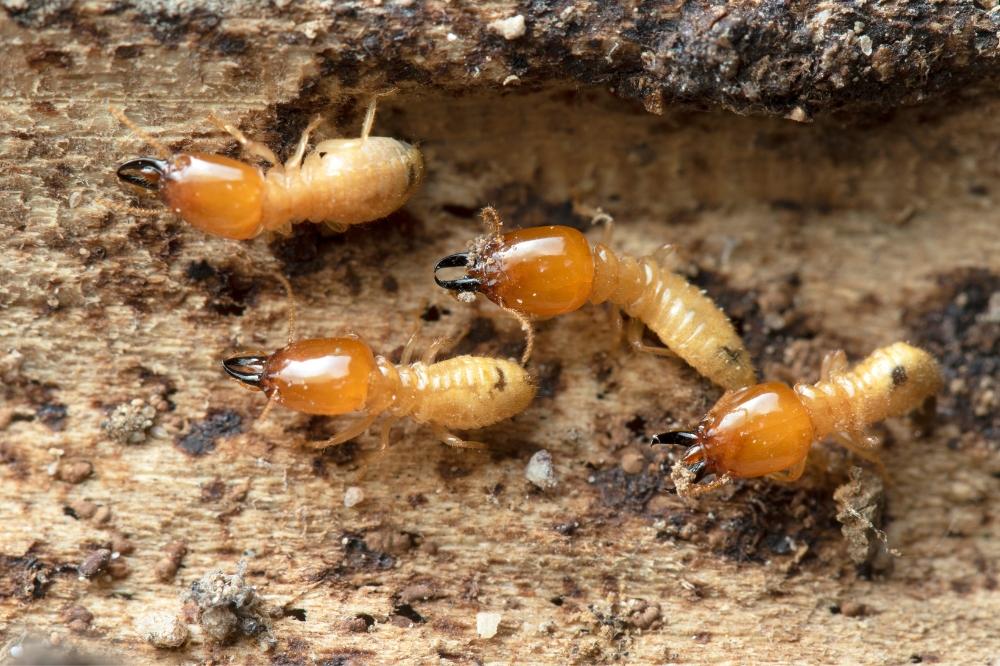
Australia’s climate and soil conditions make it a hotspot for termite activity. With warm, humid regions along much of the coast and expansive timber structures in homes across the country, termites are one of the most persistent and costly pest problems Australians face. Termites don’t just damage wooden furniture; they can compromise structural timbers, destroy walls, and significantly reduce a home’s value. Fortunately, with effective termite management strategies and the right treatments, homeowners can protect their properties against these silent destroyers.
In this comprehensive article, we’ll explore the best termite treatment solutions tailored to the needs of Australian homes, including preventative measures, professional treatment options, and long-term protection strategies.
Understanding Termites in Australia
Before diving into treatment options, it’s important to grasp why termites are such a challenge in Australia. The most common species that affect homes here are Coptotermes, Schedorhinotermes, and Mastotermes darwiniensis — the latter being one of the world’s most destructive termite species. These social insects live in colonies that can number in the hundreds of thousands and feed primarily on cellulose found in timber, paper, and other plant materials. Unlike many pests, termites work quietly and from the inside out, often giving no visible warning signs until severe damage has been done.
Preventative Measures: The First Line of Defence
Prevention is always better (and cheaper) than cure. The best termite management strategies involve combining preventative practices with professional treatments.
1. Eliminate Wood-to-Soil Contact
Termites need moisture and access to food sources. One of the most common entry points into homes is through direct contact between timber and soil. Ensure:
-
Timber decking, stairs, and structural elements are raised and separated from the ground.
-
Garden mulch is kept away from foundations.
-
Firewood, timber offcuts, and cardboard boxes are stored well away from the house.
2. Maintain Proper Drainage and Moisture Control
Moisture attracts termites. Poor drainage, leaking pipes, and blocked gutters create ideal conditions. To reduce moisture:
-
Ensure gutters and downpipes are clean and functioning properly.
-
Grade the soil to slope away from the home.
-
Install and maintain subfloor ventilation.
3. Use Termite-Resistant Materials
In new constructions or renovations, consider building with termite-resistant materials such as concrete, steel, or pre-treated timbers. While not termite-proof, these materials substantially reduce risk.
Professional Termite Treatment Solutions
For homes with confirmed termite activity or high risk of infestation, professional solutions offer the most reliable protection. Certified pest control experts employ a range of advanced techniques, many backed by Australian standards and warranties.
4. Chemical Soil Barriers
Chemical soil barriers are one of the most widely used termite treatments in Australia, particularly for subterranean termites. This involves applying termiticides around and beneath the building’s perimeter, creating a protective zone that termites cannot penetrate without contacting the chemical.
How It Works
Termiticides like fipronil and imidacloprid are injected into trenches, around foundations, and through slab penetrations. When termites cross this treated zone, the chemical either repels them or, in the case of non-repellent products, allows them to carry the chemical back to the colony.
Benefits
-
Effective for both prevention and active infestations.
-
Provides long-term protection (often up to 5–10 years or more).
-
Can be used in conjunction with other treatments like baiting.
Limitations
-
Requires professional application.
-
The barrier must be continuous and correctly applied, or termites may bypass it.
5. Termite Baiting Systems
Termite baiting systems are another highly effective solution, particularly when used as part of an integrated pest management strategy.
How Baiting Works
Instead of acting immediately, termite baits contain slow-acting toxicants (like Noviflumuron) that termites carry back to their colony. Over time, this disrupts the termites’ ability to moult and reproduce, eventually collapsing the colony.
Systems such as Sentricon and Trelona are commonly used in Australia. Bait stations are placed in the ground around the property perimeter and monitored regularly.
Benefits
-
Effective in eliminating colonies rather than just deterring termites.
-
Environmentally targeted with minimal chemical use.
-
Can protect large properties and difficult-to-treat areas.
Considerations
-
Ongoing monitoring by pest professionals is required.
-
May take longer to show results compared to chemical barriers.
6. Localised Wood Treatment
In instances where termites are detected in specific timber elements, localised wood treatments may be appropriate. These include:
-
Foam injections into infested timber or wall cavities.
-
Surface sprays on exposed wood.
-
Direct soil injections near problem areas.
Localised treatments are best used as part of a broader strategy, especially when controlling active infestations within walls or ceilings.
7. Termite Fumigation
For extensive dry wood termite infestations — particularly in older homes or heritage buildings — fumigation may be the most effective option. This process involves sealing the structure and introducing a fumigant gas that penetrates deeply into timber.
Important Notes
-
Fumigation requires occupants to vacate the home during treatment.
-
It is typically only recommended when infestations are widespread and other methods are insufficient.
Ongoing Monitoring and Maintenance
Termite control doesn’t end after treatment. Long-term effectiveness relies on regular monitoring and good property management.
8. Annual Professional Inspections
Even if your home has been treated, annual inspections by a licensed pest inspector are crucial. Early detection of new activity can prevent costly damage.
9. Regular Monitoring of Bait Stations
If baiting systems are installed, they must be checked periodically (often quarterly). Termite activity can fluctuate, and regular checks ensure baits remain effective and active.
Choosing the Right Pest Control Provider
Effective termite treatment in Australian homes depends heavily on the skills of the pest control operator. When selecting a provider:
-
Ensure they are licensed under state regulations.
-
Ask if they follow the Australian Standard AS 3660 for termite management.
-
Request a written treatment plan and warranty.
-
Seek reviews and references from previous customers.
Beware of companies that offer only superficial treatments or refuse to conduct thorough inspections before quoting.
Costs and Warranties
Termite treatment costs in Australia vary based on home size, soil conditions, accessibility, and severity of infestation. Preventative treatments may cost less upfront than full infestation management, but active infestations often require a combination of methods.
Many reputable companies offer termite warranties, which may include regular inspections and retreatment if termites return. While these warranties usually add to the initial cost, they offer peace of mind and long-term protection.
Final Thoughts
Termites are a persistent and destructive threat to Australian homes. But with the right knowledge, planning, and professional treatment solutions, homeowners can protect their investments and enjoy peace of mind.
The most effective termite defence includes:
-
Preventative measures to reduce attractants
-
Professional chemical soil barriers or baiting systems
-
Regular inspections and ongoing monitoring
-
Qualified pest management professionals
-
Long-term warranties and maintenance plans
Termite management is not a one-time event — it’s a long-term commitment. By understanding the options available and partnering with experienced professionals, Australian homeowners can significantly reduce the risk of termite damage and preserve the structural integrity of their properties for decades to come.

 English
 Arabic
 French
 Spanish
 Portuguese
 Deutsch
 Turkish
 Dutch
Dutch
 Italiano
 Russian
 Portuguese (Brazil)
 Greek
Greek