


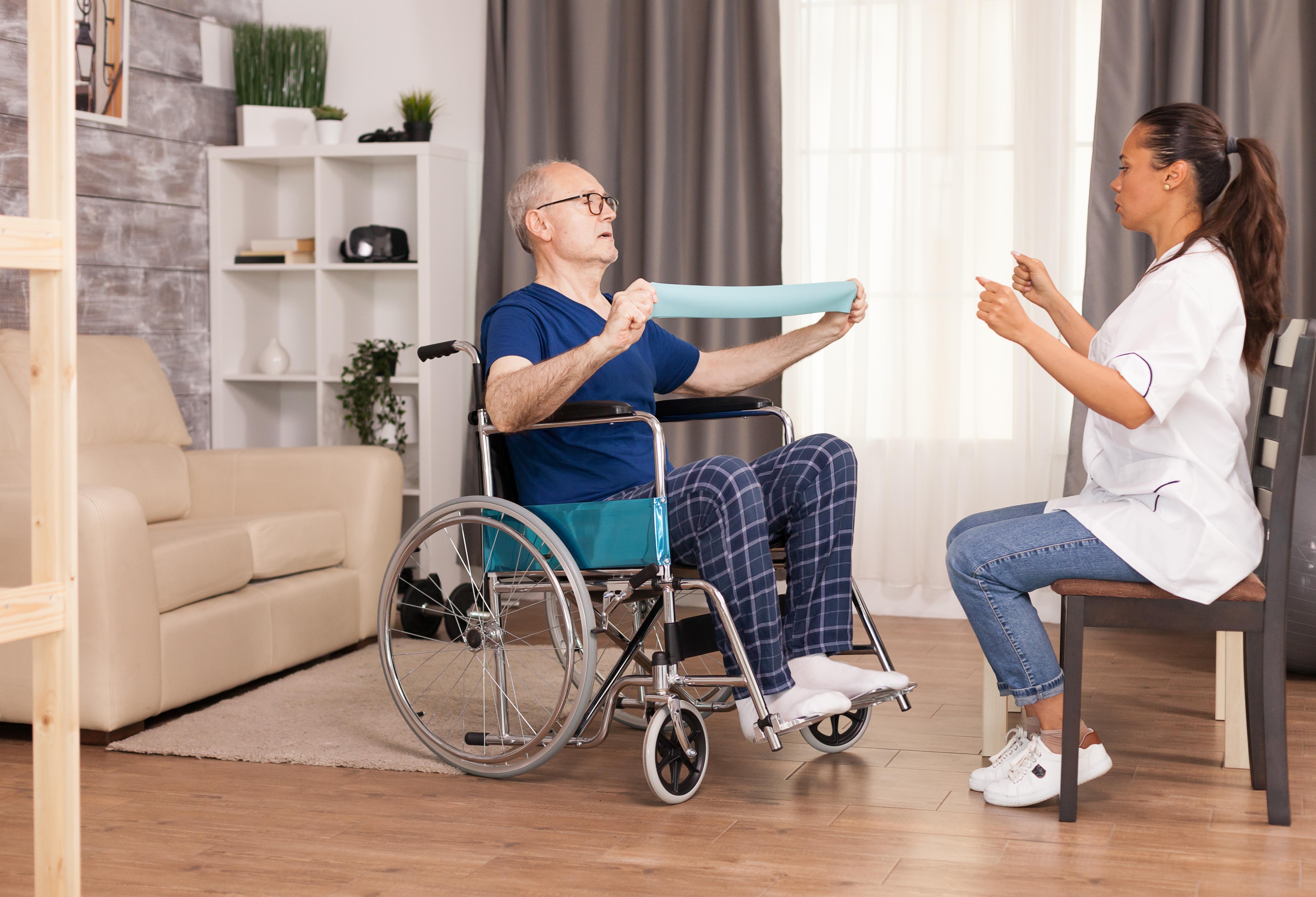
Physical therapy home health has become a powerful solution for individuals who need rehabilitation but prefer the comfort, safety, and convenience of their own homes. Whether recovering from surgery, managing a chronic condition, or rebuilding strength after illness or injury, home-based physical therapy brings professional care directly to the patient, eliminating barriers that often slow recovery.
Understanding Physical Therapy Home Health
Physical therapy home health involves licensed physical therapists providing rehabilitation services in a patient’s residence. These services are designed for individuals who have difficulty traveling to outpatient clinics due to mobility limitations, pain, or medical restrictions. By delivering therapy at home, treatment becomes more accessible, consistent, and closely aligned with real-life movement challenges.
Unlike clinic-based therapy, home health physical therapy allows therapists to assess the actual living environment. This helps them tailor exercises and safety strategies that fit daily routines, furniture layouts, and personal mobility needs, making progress more practical and sustainable.
Who Can Benefit from Home-Based Physical Therapy
Physical therapy home health is especially beneficial for older adults, post-surgical patients, individuals recovering from strokes, and those living with neurological or orthopedic conditions. People with balance issues, joint replacements, fractures, arthritis, or chronic pain often find home therapy less stressful and more effective than frequent clinic visits.
It is also valuable for patients who are homebound or at risk of falls. By receiving care at home, patients avoid transportation challenges and reduce exposure to infections, which is particularly important for those with weakened immune systems.
How Home Physical Therapy Supports Recovery
One of the strongest advantages of physical therapy home health is individualized attention. Sessions are one-on-one, allowing therapists to focus entirely on the patient’s progress, technique, and comfort. Treatment plans typically include strength training, balance exercises, mobility improvement, pain management, and education on safe movement.
Therapists also work on functional goals such as walking safely, climbing stairs, transferring from bed to chair, and performing daily activities independently. Because therapy happens in the patient’s own space, improvements often translate more quickly into everyday life.
The Role of Safety and Fall Prevention
Safety is a major focus of physical therapy home health. Therapists assess potential hazards in the home and guide patients on safer movement patterns. They may recommend adjustments to posture, walking techniques, or the use of assistive devices to reduce the risk of falls.
Education is a key part of this process. Patients and caregivers learn how to support recovery between sessions, recognize warning signs of injury, and maintain progress over time. This collaborative approach builds confidence and encourages long-term independence.
Emotional and Mental Benefits of Home Therapy
Healing is not only physical. Receiving therapy at home can significantly reduce anxiety and emotional stress. Familiar surroundings often help patients feel more relaxed and motivated, which can positively impact recovery outcomes.
Home-based therapy also strengthens the relationship between therapist and patient. Consistent interaction in a personal setting fosters trust, open communication, and a deeper understanding of the patient’s goals and challenges.
Adapting Therapy to Individual Lifestyles
Every patient’s lifestyle is different, and physical therapy home health adapts to those differences. Therapists design programs that fit daily schedules, energy levels, and personal preferences. This flexibility makes it easier to stay consistent with therapy and maintain momentum.
Progress is continuously monitored, and exercises are adjusted as strength, balance, and mobility improve. This dynamic approach ensures therapy remains effective throughout each stage of recovery.
Frequently Asked Questions
What conditions are treated through physical therapy home health?
Physical therapy home health treats a wide range of conditions including post-surgical recovery, stroke rehabilitation, arthritis, balance disorders, fractures, chronic pain, and mobility limitations.
How often are home physical therapy sessions scheduled?
The frequency of sessions depends on medical needs and treatment goals. Many patients receive therapy multiple times per week initially, with adjustments made as progress continues.
Is physical therapy home health as effective as clinic-based therapy?
Yes, for many patients it is equally effective or more effective because treatment is personalized and focused on real-life movements within the home environment.
Do patients need special equipment at home for therapy?
Most therapy uses simple tools and bodyweight exercises. Therapists often adapt household items for exercises and only recommend equipment if truly necessary.
Can caregivers be involved in home physical therapy?
Yes, caregivers are often encouraged to participate. Therapists educate them on safe assistance techniques and exercises that support recovery between sessions.
Conclusion
Physical therapy home health offers a compassionate, effective, and personalized path to recovery by bringing expert care directly to the patient’s home. It supports physical healing, emotional well-being, and long-term independence while removing common barriers to treatment. For individuals seeking professional, patient-centered rehabilitation at home, Breakthrough Healthcare is committed to delivering quality physical therapy services that prioritize comfort, safety, and meaningful recovery.

 English
 French
 Spanish
 Portuguese
 Deutsch
 Turkish
 Dutch
Dutch
 Italiano
 Russian
 Romaian
 Portuguese (Brazil)
 Greek
Greek