


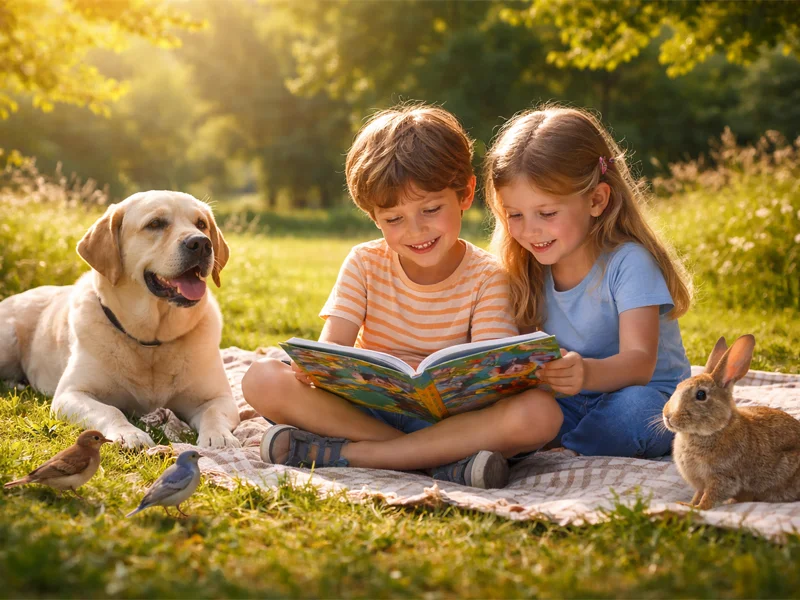
There’s a reason so many kids light up when a dog shows up in a story. Dogs make everything feel possible. A boring day becomes an adventure. A new place feels less scary. A big emotion feels easier to carry when a loyal, tail-wagging friend is nearby.That’s exactly why kids books about dogs continue to be a go-to choice for parents, teachers, and caregivers. The best dog stories don’t just entertain—they help children practice kindness, build confidence, and learn what friendship looks like in action.
Why Dog Stories Work So Well for Young Readers
Dog books have a special “easy-to-love” quality. Even children who don’t usually sit still for stories will often stay engaged when a dog is involved because dogs bring humor, warmth, and emotion without feeling complicated.
They feel like real friendship
In many stories, the dog isn’t perfect—and neither is the child. But the love stays steady. That kind of bond helps kids understand that friendship isn’t only about having fun. It’s about showing up, forgiving, and caring.
They turn everyday life into something memorable
A backyard can become a jungle. A walk can become a mission. A new neighborhood can feel like a map waiting to be explored. A good kids picture book about dogs often makes normal moments feel exciting and safe at the same time.
They teach lessons without feeling like a lesson
Dog stories naturally include routines and responsibility—feeding, bathing, listening, learning boundaries. But when those lessons are wrapped into a story, children absorb them without resistance.
The “Best Fit” Guide: What Kind of Dog Book Does a Child Need?
Not every child wants the same kind of story, and that’s where dog books shine: there’s a match for every mood.
For laugh-out-loud energy
Some children love silly, fast-moving stories where the dog is a chaos machine (in the best way). These books are great for reluctant readers because the fun keeps the pages turning.
For comfort and gentleness
Other kids prefer calmer stories—soft, steady reads that feel safe at bedtime or during transitions like starting school or moving homes.
For learning through story
Many dog books quietly build skills: early reading confidence, emotional vocabulary, or gentle responsibility. These are often the books families return to again and again.
For boy-and-dog bonding stories specifically, this companion post fits perfectly: “Children’s Books About a Boy and His Dog: Meaningful Adventures Kids Remember.”
A Few Standout Picks (Without Overloading the List)
This blog highlights a handful of excellent options—just enough to guide families toward the right vibe.
1) Barkley’s Adventures
Barkley’s Adventures is a warm, kid-friendly story that captures what children love most about dogs: playfulness, loyalty, and that feeling of having a best friend who’s always ready for the next moment. It follows Barkley and Brandon through joyful, meaningful adventures that gently reinforce responsibility and care—without becoming heavy or preachy. It’s especially strong for families who want heart, humor, and real-life moments kids recognize.
2) Dog Man: Big Jim Believes — Dav Pilkey
For children who love funny books with fast pacing, Dog Man is a reliable win. The series blends silly humor with surprising heart, which makes it a great “gateway” for kids who don’t usually choose books. It’s energetic, playful, and often ends up being the kind of pick kids reread on their own—one reason many families consider it a best kids book about dogs for independent reading.
3) Go, Dog. Go! — P.D. Eastman
Go, Dog. Go! is a classic ideal for early readers because of its repetitive, playful structure. The “dog parade” energy keeps kids engaged, while the simple sentences build confidence. It’s also an excellent read-aloud, allowing children to join in quickly—even before they can read independently—making it a strong picture book about dogs that supports learning through fun.
For the most complete roundup of dog books across ages and reading styles, start here: The Best Children’s Dog Books: Heartwarming Stories of Friendship, Adventure & Life Lessons.
What Kids Actually Learn from Dog Books
Dog stories may feel light, but they often shape a child’s thinking in lasting ways.
1. Empathy becomes something they can practice
When a character notices what a dog needs—food, comfort, patience—kids learn to observe feelings outside themselves. That is one reason children’s books about dogs are often recommended for social-emotional growth: the lessons land gently.
2. Confidence grows through “safe” bravery
A dog often acts as a child’s courage partner. If a character feels nervous, the dog stays close. If something goes wrong, the dog helps the child keep going. Kids learn that bravery doesn’t mean “not scared”—it means moving forward with support.
3. Responsibility feels meaningful, not strict
Good stories show responsibility as part of love. That framing matters. It teaches kids that caring for someone isn’t punishment—it’s a sign of connection.
How to Choose the Right Dog Book (Simple, No Stress)
Choosing well doesn’t require a complicated system. A few quick questions can point readers toward the best fit:
- Is the child energetic and easily bored?
- Choose humor and fast pacing (graphic novels or silly dog adventures).
- Is the child sensitive or anxious?
- Choose gentle, reassuring dog stories with warmth and a predictable structure.
- Is the child learning to read?
- Choose books with repetition, short sentences, and playful patterns.
- Does the child love friendship stories?
- Choose books focused on bonding and loyalty.
For families who want a softer, easier entry point—especially for younger readers—this companion guide will help: Children’s Storybooks About Dogs: Gentle, Entertaining Stories for Early Readers.
Tiny Reading Tips That Make the Story Stick
A great dog book becomes even better with simple follow-ups that don’t feel like homework:
- Ask one question, not many: “What did the dog do that showed friendship?”
- Let kids retell the story: Retelling builds memory and confidence.
- Connect it to real life: If there’s a pet at home, let the child do one small helpful task after reading.
- Lean into rereads: Dog books are comfort reads. Re-reading is part of the value.
Final Thoughts
Felicia Whitford’s writing reflects how the best dog stories do something special: they make children feel safe, seen, and capable while keeping them entertained. Whether a child prefers silly chaos, gentle comfort, or learning through story, there’s a dog book that fits.

 English
 Arabic
 French
 Spanish
 Portuguese
 Deutsch
 Dutch
Dutch
 Italiano
 Russian
 Romaian
 Portuguese (Brazil)
 Greek
Greek