


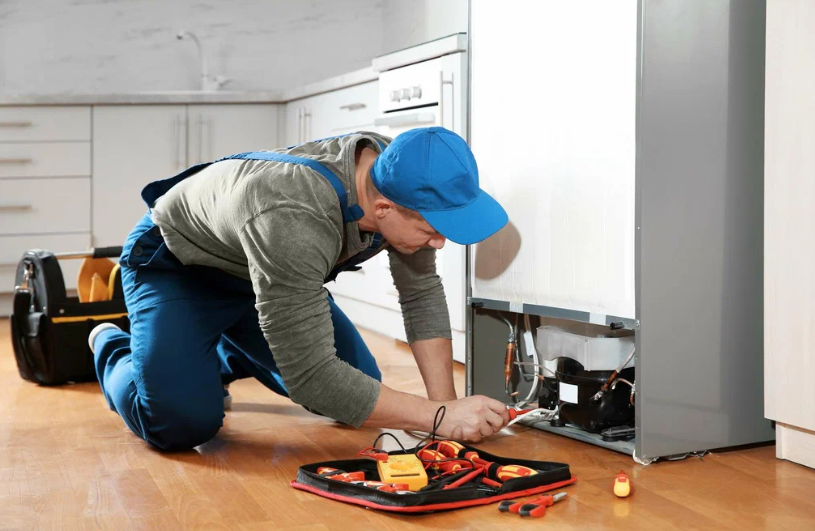
When your refrigerator suddenly stops cooling or starts showing signs of malfunction, one of the biggest concerns is food spoilage. Perishable foods can go bad quickly when temperatures rise, which can lead not only to wasted groceries but also potential health risks. Addressing issues early and contacting professionals for Appliance Repair in Fort Lauderdale, FL can help you restore functionality before any serious damage occurs. However, while you wait for repairs, it’s important to know how to keep your food safe and minimize spoilage.
Understanding How Quickly Food Spoils
Food safety relies heavily on maintaining proper temperatures. Refrigerators should stay at or below 40°F, while freezers must remain at 0°F. When temperatures rise above these levels, bacteria begin to multiply rapidly, making food unsafe to consume. Dairy products, meat, fish, eggs, and leftovers are among the first to spoil. Knowing how fast food can deteriorate helps you act quickly during refrigerator issues.
During a cooling failure, most perishable items can last up to four hours if the refrigerator door stays closed. After that time, items like milk or meat may no longer be safe. Freezers offer more leeway: a full freezer can keep food frozen for about 48 hours, while a half-full one can maintain freezing for around 24 hours.
Keep the Doors Closed as Much as Possible
One of the easiest ways to slow down spoilage is to avoid opening the refrigerator or freezer doors unnecessarily. Every time the door opens, cold air escapes, and warm air enters, causing temperatures to rise even faster. During a breakdown, plan ahead and only open the door when absolutely necessary. If you need to remove items, take everything you need in one go instead of going back several times.
Use Ice Packs or Bags of Ice to Maintain Temperature
If your refrigerator stops cooling, ice can serve as a temporary solution. Placing bags of ice or ice packs on the top shelves can help keep perishable items cooler for a longer period. In the freezer, adding blocks of ice helps maintain freezing temperatures. Ice blocks melt slower than ice cubes, making them a more effective option.
Coolers can also play an important role. If the refrigerator is completely warm, transfer critical items like milk, meat, and cheese into a cooler with plenty of ice. This can help maintain safe temperatures until your refrigerator is repaired.
Organize Your Food to Prioritize Safety
Not all foods react the same way to temperature changes. Some perish much faster than others. To avoid unnecessary waste, separate highly perishable items from foods that can tolerate warmer conditions. Items that spoil quickly include:
-
Raw meat and poultry
-
Seafood
-
Dairy products
-
Cooked leftovers
-
Cut fruits and vegetables
Foods like whole fruits, vegetables, condiments, and bread can withstand warmer temperatures for a longer period without becoming unsafe.
Place the most vulnerable foods near the coldest area of the refrigerator or inside a cooler with ice. This ensures that even if temperatures rise, your most sensitive items remain protected.
Monitor the Temperature Inside the Refrigerator
Having a thermometer inside the refrigerator and freezer is extremely helpful during breakdowns. A simple appliance thermometer gives you accurate information about how safe your food is. If the temperature rises above 40°F for more than two hours, most perishable foods should be discarded to avoid the risk of foodborne illness.
Keeping a thermometer inside your appliance is a good practice in general, as it helps you detect issues early and contact experts for timely Appliance Repair in Fort Lauderdale, FL before major spoilage occurs.
Freeze or Cook Perishables Quickly
When your refrigerator begins to fail, think about how you can salvage some of your food. Freezing perishable items helps extend their shelf life. If your freezer is still functional or you have access to another freezer, move items promptly.
Cooking food is also an excellent way to prevent spoilage. Meats, vegetables, and dairy-based dishes can be cooked into meals and stored safely at room temperature for short periods or refrigerated once repairs are done. Cooking slows bacterial growth and allows you to save food that would otherwise need to be thrown away.
Use Backup Appliances if Available
Many households have secondary appliances, such as a garage refrigerator or a deep freezer. If your main unit fails, transferring items to a secondary appliance can help you avoid spoilage. Even if these appliances are smaller, they can still hold your most important perishable foods until your primary refrigerator is fixed.
If you don’t have a backup appliance, consider asking neighbors or family members for temporary storage. A few hours of extra cooling can make a big difference in protecting your groceries.
Call a Professional Repair Service Quickly
The faster you seek professional help, the greater your chances of minimizing food spoilage. A skilled technician can quickly identify the problem, offer solutions, and restore your refrigerator’s functionality. Delaying repairs often leads to worsening issues and more wasted food.
Professional services specializing in Appliance Repair in Fort Lauderdale, FL understand how urgent refrigerator problems are. Many companies offer same-day service, ensuring your appliance gets attention before food safety becomes a serious concern.
Prevent Future Spoilage Through Regular Maintenance
Regular refrigerator maintenance helps minimize the risk of unexpected breakdowns. Cleaning coils, checking seals, adjusting temperatures, and listening for unusual noises are simple steps that keep your appliance running efficiently. Consistent upkeep not only prevents spoilage but also prolongs the lifespan of your refrigerator.
Conclusion
Food spoilage during refrigerator problems can be stressful, but with the right steps, you can keep your food safe and reduce waste. Prioritize temperature control, use ice, organize food wisely, and contact professional repair services quickly. By taking precautionary measures and maintaining your appliance regularly, you can avoid spoilage and ensure your refrigerator continues to operate reliably.

 English
 Arabic
 French
 Spanish
 Portuguese
 Deutsch
 Turkish
 Dutch
Dutch
 Russian
 Romaian
 Portuguese (Brazil)
 Greek
Greek