


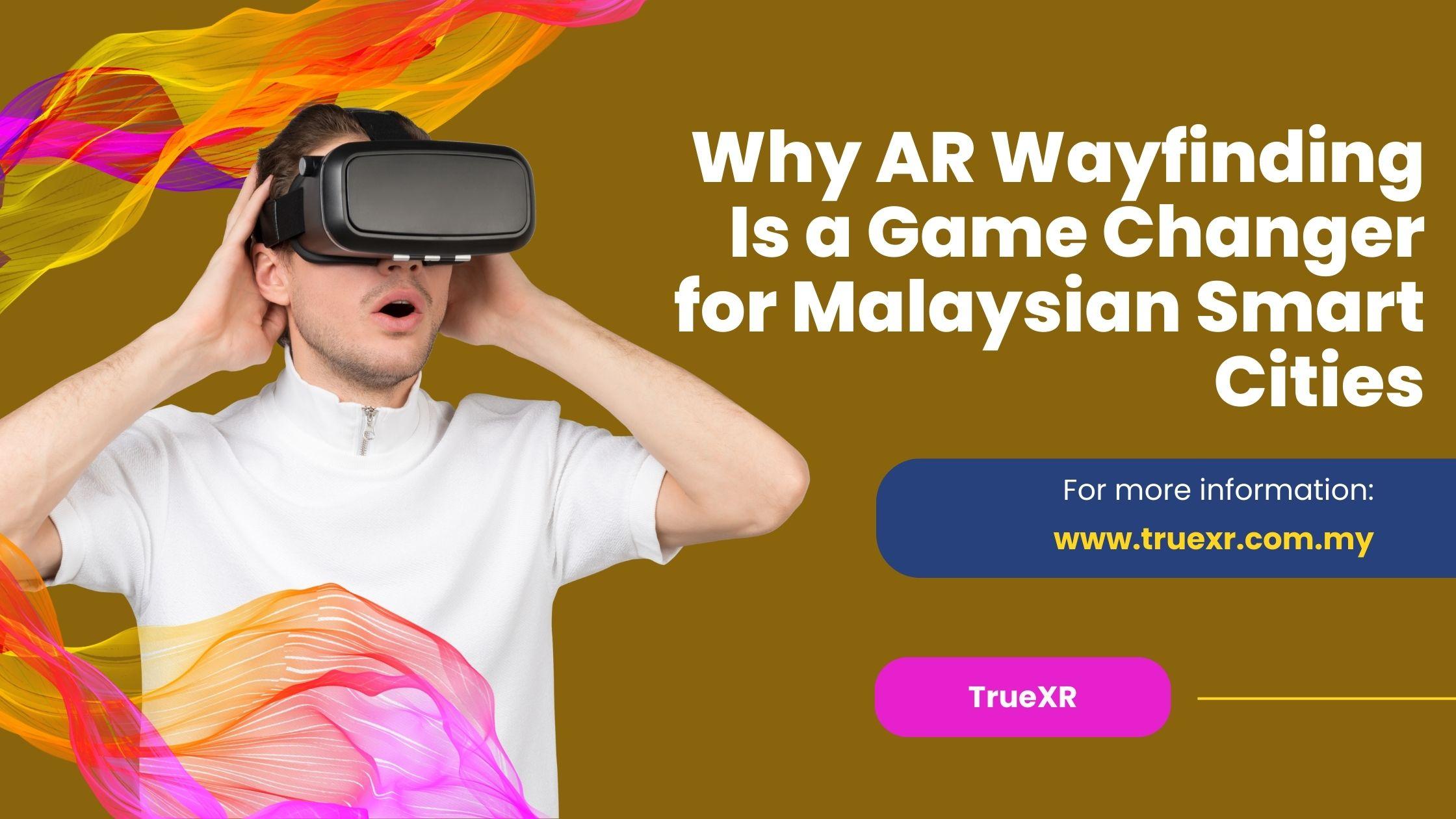
The digital world is evolving faster than ever, and at the center of this transformation lies XR solutions—a powerful blend of Extended Reality, including Augmented Reality (AR), Virtual Reality (VR), and Mixed Reality (MR). As conversations around the Metaverse continue to grow, XR solutions are emerging as the foundational technologies that bring immersive digital experiences to life. But their role doesn’t stop at the Metaverse. XR is already reshaping how businesses operate, communicate, train, and engage customers—both now and in the future.
Understanding XR and the Metaverse Connection
The Metaverse is often described as a shared, persistent digital space where people can work, socialize, shop, learn, and play through immersive technologies. While the concept sounds futuristic, XR solutions are what make the Metaverse tangible and interactive. Without XR, the Metaverse would simply be another 2D digital platform.
XR solutions act as the gateway between the physical and digital worlds, allowing users to interact with virtual environments in intuitive, human-centered ways. VR creates fully immersive experiences, AR overlays digital elements onto real-world environments, and MR blends both to allow real-time interaction between physical and virtual objects. Together, these technologies enable the Metaverse to feel less like a concept and more like a lived experience.
Powering Immersive Experiences
One of the most critical roles of XR solutions in the Metaverse is immersion. Traditional digital platforms rely on screens, clicks, and keyboards. XR solutions replace these with spatial interactions, gestures, voice commands, and realistic environments. This level of immersion enhances user engagement and emotional connection, making digital experiences more meaningful.
In virtual workspaces, XR allows teams to collaborate in shared 3D environments, regardless of physical location. In retail, customers can explore virtual showrooms or try products before purchasing. In entertainment, XR transforms passive viewing into interactive participation. These immersive experiences are not just impressive—they drive better engagement, retention, and decision-making.
Transforming Business Operations
Beyond social and entertainment use cases, XR solutions are playing a strategic role in enterprise and industrial applications. In the Metaverse, businesses can create virtual offices, training facilities, factories, and customer experience centers. XR-powered simulations help employees practice complex tasks in a safe, controlled environment, reducing errors and costs.
Industries such as manufacturing, construction, healthcare, and logistics are already using XR solutions to visualize workflows, conduct remote inspections, and provide real-time guidance. These applications extend beyond the Metaverse into everyday business operations, proving that XR is not just a futuristic idea—it’s a practical tool for efficiency and innovation.
Enhancing Learning and Training
Training is one of the strongest use cases for XR solutions, both within and beyond the Metaverse. Immersive learning environments allow users to learn by doing, rather than watching or reading. In the Metaverse, virtual classrooms and training simulations can replicate real-world scenarios with high accuracy.
XR-based training improves knowledge retention, reduces training time, and minimizes risk, especially in high-stakes industries like healthcare, aviation, and engineering. As organizations continue to invest in upskilling their workforce, XR solutions will remain a key pillar of digital education and professional development.
Redefining Customer Engagement
In the Metaverse, brands are no longer limited to websites or social media pages. XR solutions allow businesses to create interactive brand experiences that customers can explore and participate in. Virtual product launches, immersive brand storytelling, and interactive marketing campaigns are becoming increasingly popular.
Beyond the Metaverse, AR-powered experiences—such as virtual try-ons, interactive packaging, and location-based content—are already enhancing customer engagement in the real world. These experiences bridge online and offline touchpoints, creating seamless customer journeys that feel personalized and engaging.
Interoperability and the Future of XR
As the Metaverse continues to evolve, interoperability—how different platforms and technologies work together—will become increasingly important. XR solutions are expected to play a major role in enabling consistent experiences across devices, platforms, and virtual spaces.
Looking beyond the Metaverse, XR solutions will integrate more deeply with emerging technologies such as AI, IoT, blockchain, and 5G. AI-driven avatars, real-time data visualization, and intelligent virtual environments will further expand what XR can achieve. This convergence will push XR beyond immersive experiences into everyday tools that support productivity, creativity, and communication.
XR Solutions Beyond the Metaverse
While much attention is focused on the Metaverse, the true value of XR solutions lies in their ability to enhance real-world outcomes. From improving operational efficiency to enabling remote collaboration and delivering richer customer experiences, XR is becoming an essential part of digital transformation strategies.
As hardware becomes more accessible and software more sophisticated, XR solutions will move from niche implementations to mainstream adoption. Businesses that embrace XR early will be better positioned to adapt, innovate, and compete in a rapidly changing digital landscape.
Conclusion
XR solutions are the backbone of the Metaverse, turning abstract ideas into immersive, interactive realities. However, their impact extends far beyond virtual worlds. By transforming how we work, learn, and engage, XR solutions are shaping the future of digital experiences across industries. As technology continues to evolve, XR will not only define the Metaverse—but also redefine how we interact with the world around us.

 English
 Arabic
 French
 Spanish
 Portuguese
 Deutsch
 Turkish
 Italiano
 Russian
 Romaian
 Portuguese (Brazil)
 Greek
Greek