


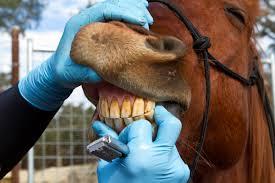
Proper dental care is essential for maintaining the overall health and well-being of horses. Among various dental procedures, Horse Teeth Floating stands out as a critical service that ensures your equine companion’s teeth are in optimal condition. This article dives into the importance of Horse Teeth Floating, when it should be performed, and why it’s a necessary part of equine health management.
Understanding Horse Dental Anatomy
Horses have a unique dental structure designed for grazing on coarse forage. Their teeth are continuously erupting and wearing down, ensuring they can efficiently process their diet. The upper and lower teeth are made up of incisors, premolars, and molars, with molars being the primary grinding teeth used during chewing.
The dental anatomy of horses can be complex. Over time, uneven wear, sharp points, or uneven dental surfaces can develop, causing discomfort or even injury in the mouth. Recognizing the signs of dental issues early is vital to prevent further complications.
The Importance of Regular Dental Care for Horses
Maintaining your horse’s dental health is more than just preventing discomfort. Regular dental care through Horse Teeth Floating helps ensure proper chewing, effective digestion, and overall health. Poor dental health can lead to weight loss, colic, and behavioral issues due to pain or difficulty eating.
Veterinary professionals recommend routine dental examinations at least once a year, with some horses requiring more frequent care depending on their age, breed, and health status. Preventative measures like Horse Teeth Floating can significantly improve your horse’s quality of life.
When Is Horse Teeth Floating Necessary?
Horse Teeth Floating becomes necessary when sharp points develop on the teeth, or if uneven wear causes discomfort. These issues usually arise as a result of the horse's natural eruption process and the constant grinding of food.
Signs that your horse may need dental floating include:
- Drooling excessively
- Preferring soft or chopped feed
- Quidding (dropping partially chewed food)
- Weight loss despite a good appetite
- Head tossing or difficulty chewing
- Facial swelling or discomfort around the jaw
Routine dental examinations at least once a year can help identify these issues early. However, some older horses or those with dental abnormalities may require more frequent floating.
The Process of Horse Teeth Floating
Horse Teeth Floating involves carefully filing down the sharp points or irregularities on the teeth to create a smooth, even surface. This process is performed by a veterinarian or a trained equine dental technician.
The procedure typically includes the following steps:
- Restraining the horse safely
- Sedating the horse for comfort and safety
- Using special float tools to file down sharp points
- Examining the mouth thoroughly for any other dental issues
- Providing post-procedure care and monitoring
The goal of floating is to promote comfortable chewing and prevent injuries from sharp dental points. It’s a quick, relatively painless procedure that can significantly enhance your horse’s overall health.
Why Regular Horse Teeth Floating Is Vital
Regular Horse Teeth Floating is essential for maintaining proper oral health and ensuring your horse’s ability to chew effectively. When dental issues go untreated, they can lead to severe discomfort, weight loss, and even behavioral problems like head tossing or refusal to eat.
Furthermore, neglected dental care can contribute to more serious health issues such as colic or infections. Regular floating helps prevent these complications and keeps your horse comfortable and healthy.
Park Hills Animal Hospital offers expert dental services, including Horse Teeth Floating, ensuring your equine friend receives the best care possible. Their experienced team understands the importance of routine dental maintenance and provides tailored care for each horse’s needs.
Choosing the Right Professional for Horse Teeth Floating
Performing Horse Teeth Floating requires specialized knowledge, skill, and the right tools. While some horse owners attempt to perform basic dental procedures, it’s always best to seek professional veterinary care.
A qualified veterinarian or an experienced equine dental technician will conduct a thorough examination, sedate the horse safely, and perform floating efficiently and humanely. They can also identify other dental issues such as broken teeth, infections, or abnormal growths, providing necessary treatment.
When selecting a professional, consider their experience, reputation, and the quality of care they provide. Regular dental check-ups with a trusted provider like Park Hills Animal Hospital ensure your horse’s dental health remains optimal.
Final Thoughts: Prioritizing Your Horse’s Dental Health
In conclusion, Horse Teeth Floating is a vital aspect of comprehensive horse care. It helps prevent discomfort, promotes proper digestion, and ensures your horse remains happy and healthy. Recognizing the signs that your horse needs floating and scheduling regular dental exams are crucial steps in responsible horse ownership.
Remember, maintaining your horse’s dental health isn’t just about preventing problems—it’s about providing the best quality of life for your equine friend. If you’re unsure about your horse’s dental needs, consult with a professional at Park Hills Animal Hospital or your trusted equine veterinarian. Proper dental care, including routine Horse Teeth Floating, is an investment in your horse’s health and happiness.

 English
 Arabic
 French
 Spanish
 Portuguese
 Deutsch
 Turkish
 Dutch
Dutch
 Italiano
 Russian
 Romaian
 Portuguese (Brazil)