


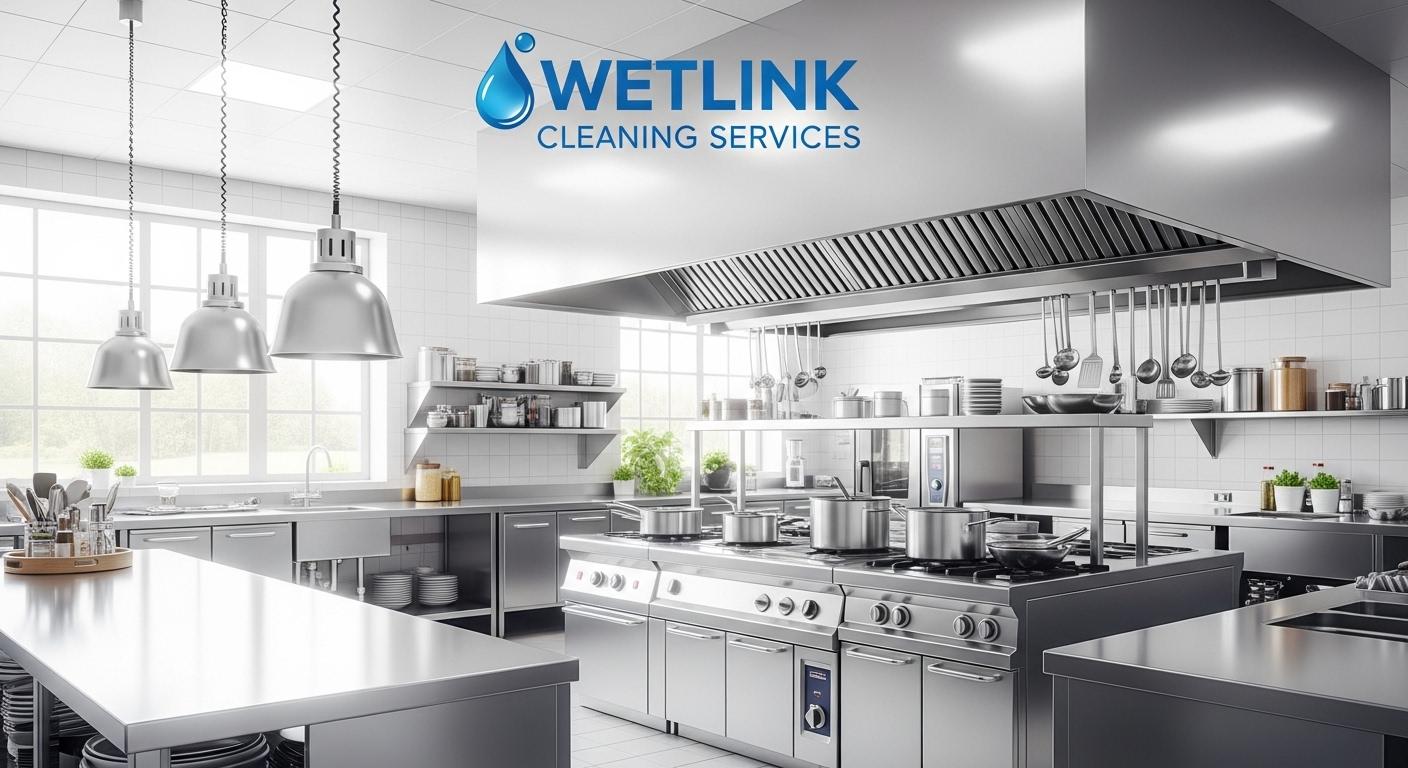
Grease buildup represents one of the most serious concerns facing commercial kitchens, creating hazardous conditions that threaten both safety and sanitation in food preparation environments. Restaurant owners, café operators, and hospitality managers must address persistent grease accumulation that standard cleaning methods cannot adequately remove. Hiring expert grease removal specialists helps maintain safe, sanitary, and efficient kitchens by eliminating dangerous deposits that pose fire hazards, compromise food safety, and violate health regulations. Professional grease removal services provide specialized expertise and equipment necessary to protect businesses from the severe consequences of inadequate grease management.
What Is Commercial Kitchen Grease?
Kitchen grease originates from cooking oils, animal fats, butter, and food residues released during high-temperature food preparation. When heated, these substances vaporize into microscopic airborne particles that travel throughout the kitchen on cooking vapors and ventilation currents. As these particles cool, they condense and adhere to every surface they contact—equipment, walls, floors, ceilings, and ventilation components. This seemingly simple process creates layered deposits that become increasingly problematic over time.
How Grease Changes and Hardens
Fresh grease is relatively soft and can be removed with appropriate cleaning agents and techniques. However, repeated heating cycles cause chemical changes called polymerization, where grease molecules bond together forming harder, more resistant compounds. This process is similar to how paint hardens when exposed to air and heat. After weeks or months of accumulation and repeated heating, kitchen grease transforms into a varnish-like substance that standard degreasers and cleaning methods cannot penetrate or dissolve effectively.
Why DIY Grease Removal Falls Short
Many restaurant operators attempt to manage grease through daily staff cleaning, but this approach addresses only surface-level grease while leaving deeper deposits untouched. Standard household degreasers lack the chemical strength to dissolve polymerized grease. Typical cleaning equipment cannot generate the heat, pressure, or agitation necessary to break down hardened deposits. Staff members also lack training in safely disassembling equipment to access hidden grease accumulation points. Most critically, without proper equipment and expertise, staff cannot adequately clean ventilation systems where the most dangerous grease deposits accumulate.
Understanding commercial kitchen grease as a dynamic, escalating threat rather than a simple cleaning issue helps restaurant owners recognize the value of expert intervention. Professional grease removal specialists bring the specialized knowledge, industrial equipment, and powerful degreasers necessary to address grease comprehensively—from visible equipment surfaces to hidden ventilation components. This complete approach protects businesses from the fire, health, and regulatory consequences that inadequate grease management inevitably produces.
Common Challenges from Kitchen Grease
Commercial kitchen grease creates multifaceted problems that escalate quickly when not addressed through professional intervention. Understanding these challenges helps managers recognize when expert grease removal becomes essential rather than optional.
Equipment and Surface Contamination
Accumulation on grills, fryers, ovens, and cooking surfaces occurs rapidly in high-volume food service operations. High-temperature cooking releases aerosolized grease particles that settle on all nearby surfaces, forming sticky layers that carbonize over time. These baked-on deposits resist standard cleaning methods and continue thickening with each service period, eventually compromising equipment performance and creating bacteria harboring conditions that threaten food safety.
Ventilation System Hazards
Grease buildup in kitchen hoods, vents, and exhaust systems creates the most dangerous conditions in commercial kitchens. Cooking vapors carry grease into ventilation components where deposits accumulate in ductwork, filters, and fans. These flammable accumulations reduce ventilation efficiency while creating severe fire hazards that standard cleaning cannot address. Many devastating kitchen fires originate in grease-laden exhaust systems that weren't professionally cleaned.
Fire Risk Escalation
Fire hazards from flammable grease deposits pose existential threats to food service businesses and neighboring properties. Grease ignites at relatively low temperatures and burns intensely once started, spreading rapidly through contaminated ventilation systems. The National Fire Protection Association identifies cooking equipment and grease accumulation as leading causes of restaurant fires, making professional grease removal essential fire prevention rather than optional maintenance.
Secondary Contamination Issues
Odors, microbial growth, and pest attraction develop as consequences of inadequate grease management in commercial environments. Rancid grease produces foul odors that permeate dining areas and discourage customers. Grease residues provide nutrients supporting bacterial colonization on surfaces throughout kitchens. Pest species including cockroaches, flies, and rodents are strongly attracted to grease accumulations, creating infestations that compound sanitation problems.
Services Provided by Grease Removal Specialists
Expert kitchen grease removal specialists offer comprehensive solutions specifically designed to address stubborn grease deposits that general cleaning services cannot handle effectively. These specialized services combine advanced equipment, powerful degreasers, and systematic techniques for complete grease elimination.
Equipment Degreasing and Restoration
Deep cleaning of cooking equipment to remove baked-on grease restores surfaces to near-original condition while extending equipment lifespan. Specialists disassemble grills, ovens, fryers, and ranges to access hidden areas where grease accumulates beyond reach of daily cleaning. Using industrial-grade degreasers, high-temperature steam, and specialized tools, professionals dissolve carbonized deposits that have built up over months or years of operation.
Critical System Decontamination
Kitchen hood and exhaust system cleaning requires specialized training and equipment to safely remove grease from ventilation components. Professional commercial cooking area cleaning services clean hood filters, grease traps, ductwork, and exhaust fans according to Australian Standard AS 1851 or equivalent fire protection standards. This comprehensive approach eliminates flammable deposits throughout ventilation systems, dramatically reducing fire risk while improving air quality and system efficiency.
Infrastructure Grease Management
Floor, sink, and drain cleaning to prevent grease accumulation addresses areas where grease runoff creates slip hazards and drainage problems. Specialists treat floors with powerful degreasers that break down grease films making surfaces dangerously slippery. Drain systems receive enzyme treatments or mechanical cleaning to remove grease blockages that slow drainage and produce foul odors. This infrastructure focus prevents operational disruptions from grease-related problems.
Quality Assurance and Documentation
Waste removal and post-clean inspection for safety and compliance ensures grease removal work meets required standards. Professional services properly dispose of collected grease according to environmental regulations rather than washing it into drainage systems. Post-service inspections verify complete grease removal and document work for compliance purposes during health inspections or insurance audits.
Benefits of Hiring Expert Grease Removal Specialists
Professional grease removal delivers substantial benefits that extend beyond surface cleanliness to protect businesses from serious operational, legal, and financial consequences. These advantages justify investment in specialized expertise rather than relying on general cleaning services.
Critical Risk Reduction
Reducing fire risk and contamination hazards protects people, property, and business continuity from catastrophic events. Professional grease removal eliminates the primary fuel source for kitchen fires that can destroy restaurants and injure employees or customers. Removing grease deposits also eliminates bacteria reservoirs that threaten food safety and can cause foodborne illness outbreaks with devastating legal and reputational consequences.
Regulatory Compliance Support
Supporting compliance with local health codes and food safety standards including HACCP principles prevents penalties and operational shutdowns. Expert restaurant kitchen cleaning services understand regulatory requirements for grease management and ensure kitchens meet inspection standards. Their documented cleaning schedules and completion certificates provide evidence of due diligence that satisfies health authorities and insurance providers.
Operational Performance Enhancement
Improving staff safety and kitchen workflow creates tangible benefits that impact daily operations and employee wellbeing. Removing grease from floors eliminates slip hazards that cause injuries and workers' compensation claims. Degreased equipment operates more efficiently, heats more evenly, and requires less energy to maintain proper cooking temperatures. Clean ventilation systems improve air quality, making kitchens more comfortable for staff during long shifts.
Business Reputation Protection
Enhancing overall cleanliness and customer confidence supports competitive positioning in quality-conscious markets. Visible commitment to professional grease management demonstrates hygiene standards that customers increasingly demand. Clean, grease-free kitchens—whether glimpsed through open kitchen designs or mentioned in health inspection reports—build trust that encourages repeat business and positive reviews.
Tips for Choosing Reliable Grease Removal Specialists
Selecting qualified grease removal specialists requires evaluating providers based on demonstrated expertise with commercial kitchen challenges rather than general cleaning capabilities. The following criteria help identify truly expert professionals.
Commercial Kitchen Expertise
Experience in high-volume or busy commercial kitchens indicates familiarity with severe grease challenges and demanding operational environments. Specialists who regularly service established restaurants understand different equipment types, various grease deposit characteristics, and sanitation standards specific to food service. Ask about their client portfolio and whether they've handled kitchens comparable to yours in cooking volume and equipment complexity.
Professional Equipment and Products
Use of professional-grade equipment and eco-friendly cleaning products demonstrates capability to deliver results standard cleaning cannot achieve. Expert professional kitchen cleaning services invest in commercial steamers, pressure washers, heated degreasing tanks, and powerful yet safe chemical degreasers. Environmentally responsible solutions that effectively break down grease while meeting food safety requirements reflect modern professional standards.
Verified Credentials and Reputation
Positive client reviews and industry certifications provide third-party validation of grease removal expertise and service quality. Look for certifications in food safety practices, training in fire safety standards for kitchen hood cleaning, or memberships in professional cleaning associations. References from other hospitality businesses offer valuable insights into reliability, thoroughness, and effectiveness of grease removal work.
Scheduling Flexibility and Reliability
Flexible scheduling to minimize disruption to kitchen operations ensures grease removal doesn't interfere with business revenue. Professional specialists work during off-hours, complete work within agreed timeframes, and maintain punctual arrivals. They should provide dependable service delivery including backup personnel availability and responsive communication when scheduling adjustments become necessary.
Protecting Your Business Through Expert Grease Management
Commercial kitchen grease management requires specialized expertise that distinguishes professional grease removal specialists from general cleaning services. The unique challenges of carbonized grease deposits, ventilation system contamination, and fire safety compliance demand systematic approaches using commercial-grade equipment and proven degreasing techniques.
In an industry where grease-related fires cause millions in property damage annually and inadequate grease management leads to health code violations, partnering with expert grease removal specialists represents critical business protection rather than optional maintenance. This professional relationship ensures kitchens maintain the clean, safe conditions necessary for sustainable growth, employee safety, and customer confidence in competitive hospitality markets.
The investment in regular professional grease removal consistently proves less expensive than consequences of neglect—whether measured in fire damage, health code fines, equipment maintenance failures, or reputational harm from sanitation problems. Smart restaurant owners recognize that expert grease management forms the foundation of comprehensive commercial kitchen sanitation and long-term operational excellence.
Conclusion
Professional grease removal is essential for safe, sanitary, and efficient commercial kitchens. Grease buildup poses serious fire hazards, health risks, and regulatory compliance challenges that standard cleaning cannot resolve. Partnering with expert kitchen grease removal specialists ensures comprehensive cleaning of equipment, surfaces, and ventilation systems using industrial-grade tools and safe degreasers.
By addressing hidden and hardened grease deposits, professional services protect employees, customers, and property, improve operational efficiency, and maintain regulatory compliance. For Sydney’s hospitality businesses, investing in expert grease management is not optional it’s a strategic move to safeguard your kitchen, uphold your reputation, and support long-term operational excellence.
FAQs
1. What is commercial kitchen grease?
Grease is a buildup of cooking oils, fats, and food residues that settle on surfaces, equipment, and ventilation components, creating fire and hygiene hazards.
2. Why hire expert grease removal specialists?
Professionals remove hardened grease that standard cleaning cannot handle, reducing fire risks, contamination, and regulatory violations.
3. Which areas are typically cleaned?
Cooking equipment, prep surfaces, floors, sinks, drains, kitchen hoods, exhaust systems, and ventilation ducts.
4. How often should kitchens undergo professional grease removal?
High-volume kitchens: quarterly or biannual deep cleaning. Smaller operations: 6–12 months, depending on cooking activity.
5. Are the cleaning products safe for food contact surfaces?
Yes. Experts use industrial-grade but food-safe degreasers that meet hygiene and environmental standards.
6. How do grease removal services improve safety?
By eliminating flammable deposits, reducing fire hazards, controlling microbial growth, and preventing slip and odor issues.
7. Do professional services help with regulatory compliance?
Yes. Services document cleaning schedules, inspections, and completion certificates to satisfy health and fire safety authorities.
8. What should I look for when hiring grease removal specialists?
Experience with commercial kitchens, professional equipment, verified credentials, flexible scheduling, and reliable service.
9. Benefits for my business?
Enhanced safety, regulatory compliance, operational efficiency, equipment longevity, and improved customer trust.
10. Difference from regular cleaning?
Expert specialists handle hidden grease in ventilation systems and baked-on deposits that ordinary cleaning cannot remove.

 English
 Arabic
 French
 Spanish
 Portuguese
 Deutsch
 Turkish
 Dutch
Dutch
 Italiano
 Romaian
 Portuguese (Brazil)
 Greek
Greek