


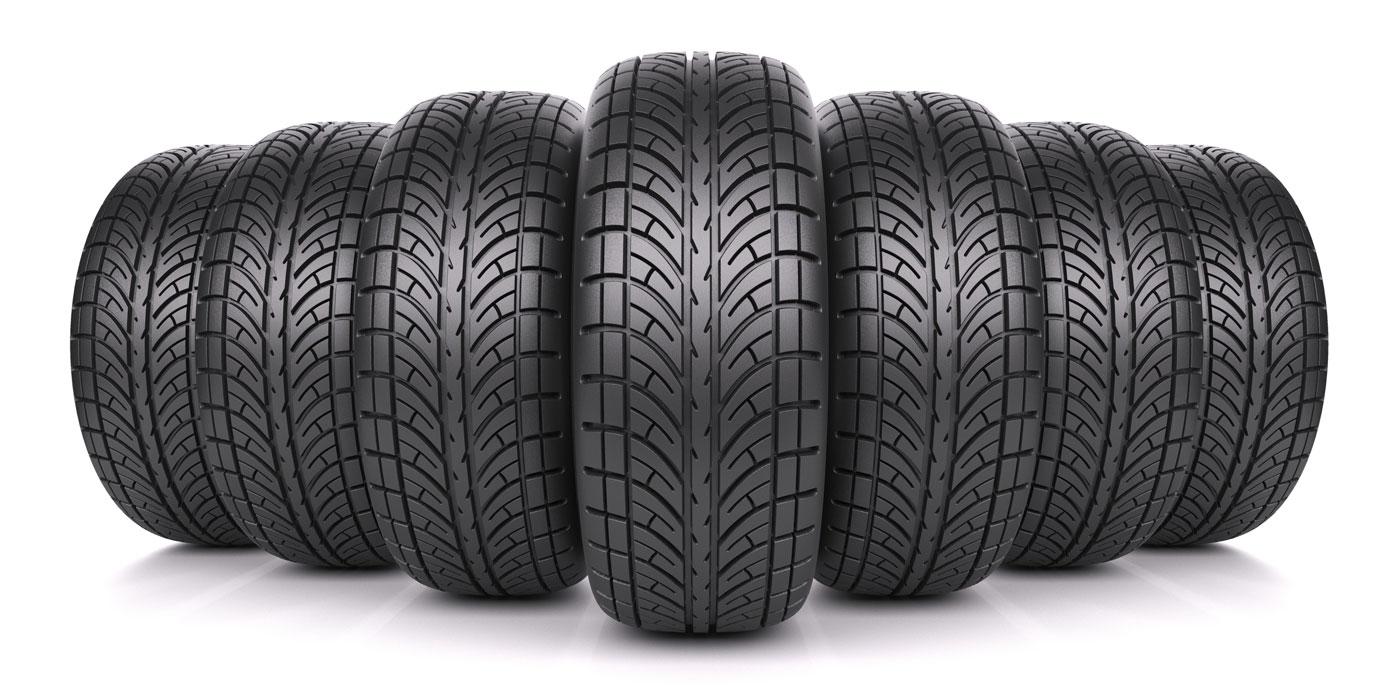
According to a TechSci Research report, “Philippines Tire Market – By Region, Competition, Forecast & Opportunities, 2020–2030F”, the Philippines Tire Market was valued at USD 982.1 million in 2024 and is projected to reach USD 1,394.1 million by 2030, registering a compound annual growth rate (CAGR) of 5.94% during the forecast period. This steady expansion reflects the country’s evolving automotive ecosystem, growing vehicle parc, and rising awareness of road safety, fuel efficiency, and product quality among consumers.
The Philippines tire industry is emerging as a critical segment of the broader automotive value chain. As one of Southeast Asia’s fastest-urbanizing economies, the country is witnessing a sustained increase in vehicle ownership across both private and commercial categories. This growth is directly translating into higher demand for original equipment (OE) tires as well as replacement tires, particularly as the average vehicle age increases and road usage intensifies.
Urban population growth, infrastructure investments, and economic recovery have collectively strengthened the foundation of the tire market. The expansion of highways, bridges, and regional road networks is improving vehicle accessibility while simultaneously accelerating tire wear and replacement cycles. In parallel, rising disposable incomes and access to consumer financing are enabling more Filipinos to own vehicles, ranging from entry-level passenger cars and motorcycles to light commercial vehicles used for trade and logistics.
Beyond volume growth, the market is undergoing a qualitative transformation. Consumers are increasingly moving away from low-cost, low-quality tire options toward premium and mid-range products that offer better durability, safety, and fuel efficiency. This shift is reshaping competitive strategies among manufacturers and distributors, pushing innovation, branding, and aftersales services to the forefront.
Evolution of the Automotive and Mobility Landscape
The Philippines’ automotive market has evolved significantly over the past decade. Rising employment levels, growth in e-commerce, and the expansion of last-mile delivery services have fueled demand for motorcycles, vans, and small trucks. Two-wheelers remain a vital mode of transportation, particularly in congested urban areas, while commercial vehicles support logistics, construction, and agriculture.
As vehicles travel longer distances and operate under diverse road conditions—ranging from modern expressways to rural and uneven roads—tire performance has become a decisive factor for vehicle owners. Durability, grip, heat resistance, and load-bearing capacity are now critical considerations. These factors are encouraging consumers to invest in branded tires that ensure safety and longevity, rather than frequently replacing cheaper alternatives.
At the same time, fleet operators are adopting more structured vehicle maintenance practices. Commercial fleets, including ride-hailing services, delivery platforms, and transport cooperatives, are increasingly using data-driven maintenance schedules to reduce downtime and operating costs. This trend is supporting consistent demand for replacement tires with predictable wear patterns and high mileage performance.
Download Free Sample Report: https://www.techsciresearch.com/sample-report.aspx?cid=5125
Industry Key Highlights
-
The Philippines Tire Market is projected to grow steadily through 2030, supported by rising vehicle ownership and infrastructure development.
-
Replacement tires account for a significant share of total demand due to increasing average vehicle age and road usage.
-
Passenger cars and two-wheelers dominate volume demand, while commercial vehicles drive value growth.
-
Consumers are increasingly prioritizing safety, durability, and fuel efficiency over low-cost options.
-
Radial tires are gaining wider adoption across vehicle segments due to superior performance and longevity.
-
Sustainability and energy efficiency are emerging as key differentiators in tire product development.
-
Smart tire technologies and condition-monitoring solutions are gaining early traction.
-
Central Philippines is emerging as the fastest-growing regional market.
-
Intense competition exists between international brands and regional manufacturers.
-
Regulatory focus on road safety and environmental standards is shaping product innovation.
Market Drivers
Rising Vehicle Ownership
One of the most powerful drivers of the Philippines tire market is the sustained increase in vehicle ownership. Economic growth, urban expansion, and improved access to auto financing are enabling more households to purchase vehicles. Passenger cars and motorcycles, in particular, are becoming essential tools for daily commuting, business activities, and personal mobility.
As the number of registered vehicles rises, so does the installed base requiring regular tire replacement. Tires are consumable components, and their demand remains resilient even during economic slowdowns, making the tire market structurally robust.
Expanding Infrastructure and Road Development
The Philippine government’s emphasis on infrastructure modernization is significantly influencing tire demand. New highways, expressways, and regional road projects are increasing vehicle usage and average driving distances. While improved road quality supports vehicle performance, it also accelerates tire wear due to higher speeds and increased traffic volumes.
Construction activities themselves generate demand for commercial and off-the-road (OTR) tires, particularly in sectors such as mining, agriculture, and heavy construction.
Growing Awareness of Road Safety
Road safety awareness is increasing among Filipino consumers, driven by public campaigns, stricter enforcement, and access to online information. Consumers are becoming more conscious of the role tires play in braking performance, vehicle stability, and accident prevention.
This awareness is encouraging a shift toward higher-quality tires with certified performance standards, better tread designs, and enhanced grip under wet and dry conditions.
Growth of Commercial and Logistics Fleets
The rapid expansion of e-commerce and urban delivery services has boosted demand for light commercial vehicles and motorcycles. Fleet operators prioritize durability, mileage efficiency, and predictable performance, driving demand for premium and mid-range tires designed for intensive usage.
Emerging Trends in the Philippines Tire Market
Shift Toward Sustainable and Energy-Efficient Tires
Sustainability is becoming a central theme in the tire industry. Manufacturers are increasingly developing tires with reduced rolling resistance to improve fuel efficiency and lower carbon emissions. These tires help vehicle owners reduce fuel costs while aligning with environmental goals.
The use of eco-friendly materials, advanced rubber compounds, and optimized tread designs is gaining momentum. As environmental awareness grows, sustainability credentials are expected to become a stronger purchasing factor.
Adoption of Smart Tire Technologies
Smart tire solutions equipped with sensors to monitor pressure, temperature, and wear are beginning to enter the Philippine market. While adoption remains in early stages, these technologies offer significant potential for fleet operators and commercial users by enabling predictive maintenance and reducing breakdown risks.
Over time, smart tires are expected to integrate with vehicle telematics systems, supporting safer and more efficient mobility.
Premiumization of Consumer Preferences
Consumers are increasingly willing to pay more for tires that offer longer lifespan, superior comfort, and enhanced safety. This trend toward premiumization is evident in passenger car and SUV segments, where buyers value performance and brand reputation.
Manufacturers are responding by expanding their premium product portfolios and strengthening brand positioning through marketing and customer education.
Growth of Organized Distribution and Aftermarket Services
The tire aftermarket is becoming more organized, with professional service centers, branded outlets, and digital platforms gaining prominence. Improved retail experiences, warranty offerings, and aftersales support are enhancing consumer trust and brand loyalty.
Market Segmentation Analysis
By Vehicle Type
The Philippines tire market caters to a diverse range of vehicle categories:
-
Passenger Cars: Represent a significant share of demand, driven by urban commuting and family mobility needs.
-
Light Commercial Vehicles: Support logistics, retail, and small businesses, requiring durable and cost-effective tires.
-
Medium & Heavy Commercial Vehicles: Demand heavy-duty tires designed for long-distance travel and high load capacities.
-
Two Wheelers: A dominant segment in volume terms, fueled by widespread use of motorcycles and scooters.
-
Off-the-Road Vehicles: Serve construction, mining, and agriculture, requiring specialized, rugged tire solutions.
Each segment has distinct performance requirements, influencing tire design, materials, and pricing strategies.
By Tire Construction
-
Radial Tires: Increasingly preferred due to better fuel efficiency, ride comfort, and longer lifespan.
-
Bias Tires: Still used in specific applications, particularly in certain commercial and off-road segments.
By Demand Category
-
OEM Tires: Linked to new vehicle sales and assembly activities.
-
Replacement Tires: The largest and fastest-growing segment, driven by vehicle aging and maintenance needs.
Regional Analysis
Central Philippines: Fastest-Growing Region
Central Philippines has emerged as the fastest-growing tire market, supported by urbanization, infrastructure investments, and rising economic activity. Major urban centers in this region are witnessing increased vehicle ownership across passenger and commercial categories.
Improved road connectivity and access to financing are encouraging both first-time buyers and fleet operators to invest in vehicles, thereby driving tire demand. The presence of agriculture, manufacturing, and retail industries further strengthens the need for commercial vehicle tires.
As development spreads to semi-urban and rural areas, demand for durable tires suited to mixed road conditions is increasing, reinforcing long-term growth prospects in the region.
Competitive Analysis
The Philippines tire market is highly competitive, with a mix of global leaders and regional manufacturers competing on product quality, pricing, distribution reach, and brand reputation.
Key Competitive Strategies
-
Product Innovation: Continuous development of fuel-efficient, durable, and high-performance tires.
-
Brand Positioning: Strong marketing campaigns emphasizing safety, reliability, and value.
-
Distribution Expansion: Strengthening dealer networks and service centers across urban and regional markets.
-
Pricing Strategies: Balancing affordability with quality to capture both mass and premium segments.
-
Aftermarket Support: Offering warranties, maintenance services, and customer education initiatives.
Major Market Players
-
Apollo Tyres Limited
-
Bridgestone Corporation
-
CEAT Limited
-
Continental AG
-
JK Tyre & Industries Limited
-
Michelin
-
MRF Limited
-
The Goodyear Tire & Rubber Company
-
Pirelli & C. S.p.A.
-
Yokohama Rubber Company Limited
These companies compete by leveraging global expertise, localized offerings, and strategic partnerships to strengthen their presence in the Philippine market.
Challenges and Market Constraints
Despite strong growth prospects, the market faces several challenges:
-
Volatility in raw material prices, particularly natural rubber.
-
Proliferation of counterfeit and low-quality tires.
-
Price sensitivity among cost-conscious consumers.
-
Intense competition leading to margin pressures.
-
Need for consumer education on tire quality and safety.
Addressing these challenges will require coordinated efforts across regulation, industry standards, and consumer awareness initiatives.
Future Outlook
The future of the Philippines tire market appears optimistic, supported by favorable demographics, infrastructure development, and technological advancement. As mobility needs evolve, tire manufacturers are expected to focus on innovation, sustainability, and digital integration.
The replacement segment will remain the primary growth engine, while premium and smart tire solutions will gradually gain traction. Regional markets, particularly Central Philippines, will continue to drive incremental demand.
By 2030, the industry is expected to become more organized, technology-driven, and sustainability-focused, creating opportunities for both established players and new entrants.
10 Benefits of the Research Report
-
Provides detailed market size and growth forecasts up to 2030.
-
Offers in-depth analysis of key market drivers and challenges.
-
Identifies emerging trends shaping the tire industry.
-
Breaks down demand by vehicle type, region, and tire construction.
-
Delivers comprehensive competitive landscape insights.
-
Supports strategic planning and investment decision-making.
-
Highlights high-growth segments and regional opportunities.
-
Assists manufacturers in product and pricing strategy development.
-
Enables distributors to optimize supply chain and inventory planning.
-
Helps stakeholders anticipate regulatory and technological changes.
Contact Us-
Mr. Ken Mathews
708 Third Avenue,
Manhattan, NY,
New York – 10017
Tel: +1-646-360-1656
Email: sales@techsciresearch.com
Website: www.techsciresearch.com

 English
 Arabic
 French
 Spanish
 Deutsch
 Turkish
 Dutch
Dutch
 Italiano
 Russian
 Romaian
 Portuguese (Brazil)
 Greek
Greek