


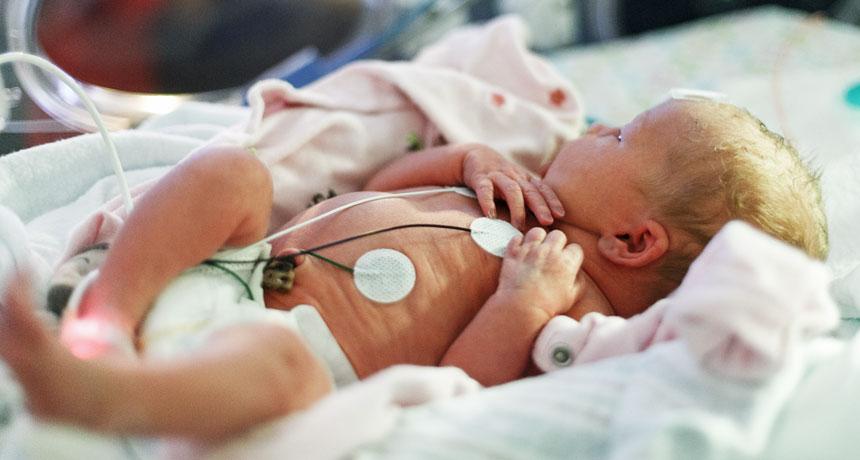
Premature infants—babies born before 37 weeks of gestation—often require specialized care because their organs and immune systems are still developing. For many families, the journey doesn’t end after the NICU stay. Ongoing monitoring is crucial to ensure these infants grow safely and reach important milestones. Thanks to advances in remote healthcare, Premature Infant Monitoring Telehealth has emerged as a vital support system for families, offering continuous monitoring, expert guidance, and peace of mind without the constant need for hospital visits.
Why Telehealth Matters for Premature Infants
Premature infants face higher risks of respiratory issues, feeding difficulties, temperature instability, and developmental delays. Traditionally, parents must return frequently to clinics for checkups and evaluations. This can be stressful, time-consuming, and risky—especially during flu seasons or pandemics.
Telehealth brings the expertise of neonatal care right into the home. Through remote monitoring devices and virtual consultations, healthcare providers can track vital signs, assess feeding patterns, and offer personalized care plans. This approach not only reduces the burden on families but also enables early intervention when concerns arise.
Key Benefits of Premature Infant Monitoring Telehealth
1. Continuous Health Tracking Remote monitoring tools allow healthcare providers to observe vital signs such as heart rate, oxygen levels, and breathing patterns in real-time. This is especially crucial for infants with a history of apnea or low oxygen saturation.
2. Faster Response to Emergencies Telehealth enables clinicians to identify warning signs early. When abnormal patterns are detected, parents can receive immediate guidance on next steps—whether that means adjusting feeding schedules, managing breathing support, or seeking urgent care.
3. Reduced Hospital Readmissions Many premature infants are readmitted due to preventable complications. With continuous monitoring and timely virtual check-ins, telehealth helps reduce the risk of avoidable rehospitalizations.
4. Better Support for Parents Caring for a premature infant can be overwhelming. Telehealth gives parents direct access to neonatal specialists who can answer questions, offer reassurance, and provide hands-on guidance during stressful moments.
What Monitoring Looks Like at Home
A typical telehealth monitoring program may include:
-
Wearable sensors that track heart rate and oxygen saturation
-
Smart feeding logs to track intake and growth
-
Virtual consultations with neonatal nurses and doctors
-
Developmental screenings to monitor milestones
-
Emergency alerts that notify providers if readings fall outside safe ranges
This combination of tools helps create a safety net around the infant’s health, while keeping the family environment comfortable and stress-free.
Real-World Impact: Improved Outcomes and Confidence
Research and clinical experience show that telehealth monitoring for premature infants improves outcomes by ensuring early detection of health issues. Parents report feeling more confident and less isolated, knowing they have professional support available at any time. Telehealth also allows families in remote areas to access specialized neonatal care that might otherwise be unavailable.
Conclusion
Premature Infant Monitoring Telehealth is transforming the way neonatal care is delivered, offering a lifeline to families navigating the delicate early stages of their baby’s life. By combining remote monitoring, virtual support, and expert guidance, telehealth ensures premature infants receive the attention they need while keeping families safe and supported at home.

 English
 Arabic
 Spanish
 Portuguese
 Deutsch
 Turkish
 Dutch
Dutch
 Italiano
 Russian
 Romaian
 Portuguese (Brazil)
 Greek
Greek