


The Quiet Strength of a Church Food Pantry
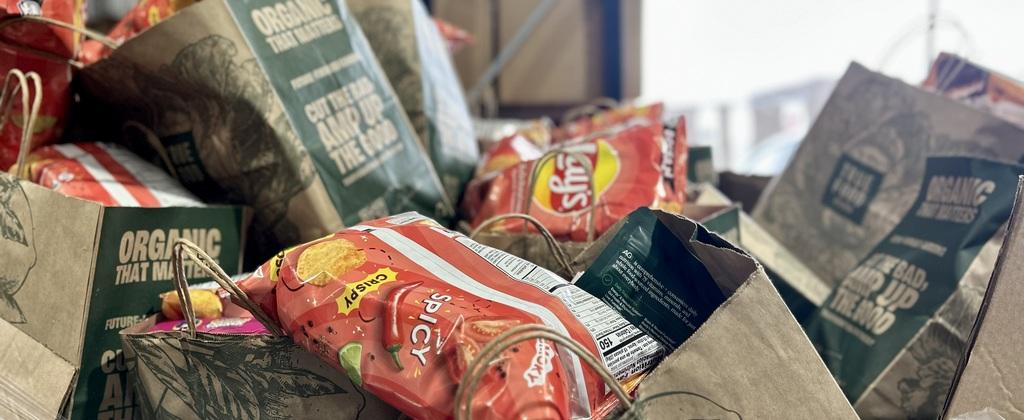
A church food pantry on an ordinary Tuesday hides in plain sight. Silence instead of applause. Folding tables line the room, paper sacks stacked at the edges. Volunteers pass out meals without fanfare - steady steps, quiet words. Relief settles on faces worn thin by long weeks. Flashy? Never. This place runs on necessity. When cupboards go bare and money runs short, it opens its doors.
Not some distant idea. Actual bags of rice, cans of beans. Stuff that stops hunger pangs by Wednesday night. When the bus fare eats half a paycheck. Places of worship hand these out like they’ve always done. Generations deep into it. Since long before officials held meetings on poverty. Help shows up quickly here. Without speeches. No tests to prove how broke you are.
A church food pantry feels different because of how close it gets. Not just handing out meals, but recognizing faces, remembering who showed up last Tuesday with tired eyes. Paperwork slips through the cracks, rules bend a little. Lines form before sunrise, shelves empty by noon. Still, someone shows up Monday morning to sweep the floor, ready again. The rhythm never really stops. People count on that. It means something.
Food insecurity affects people more deeply than acknowledged
Hunger doesn’t wear a label. Real life shows up in empty pantries. Some folks go without just so little ones can eat. Older people stretch meals - more water, less food. Truth? Dignity slips when stomachs growl.
A church food shelf shows up right there, quiet and sure. Not one word about how much money you make. Never a look that cuts sideways. Instead comes a simple ask - what’s on your list today? Hearing those words might just crack things wide.
Most people turning to food pantries never saw it coming. Losing work changes everything. Bills stack without warning. A single crisis stretches into months. What begins as temporary relief holds things together. Not forever, just long enough. That is what matters.
Close to home, church food shelves open their doors more easily than big groups do. First signs appear there - faces return more often, baskets fill slower. When supplies thin, they shift without a plan. Imperfect? Yes. Real? Always. Still, meals get handed out.
Churches Making Faith Real Through Actions Instead of Words
Folks at churches go on about helping others, sure. Yet it takes a pantry to make words real through effort. Boxes get moved by hand, row after row of canned goods arranged just so. Hours pass while people stay planted on hard floors, giving what they can. Money doesn’t change hands here.
Pantry shelves often fill up thanks to nearby farms, food banks, or store leftovers. After church ends one day a week, people leave boxes at the door. Money sometimes arrives through official funding channels. Juggling every option at once - that’s how most keep going, always.
Folks show up hungry. That's what happens next door. Right around the corner. Inside church seats, even. Not for glory. Never because it's simple.
When government help misses someone, faith-run meals might be waiting. Think of families without papers. Those stuck waiting for aid to kick in. Others earning above limits yet still short at month's end. Worth isn’t questioned at the church pantry door. It simply swings open.
The Work of Mercy House Feeding Local People
Here's one spot that stands out: Mercy House. Not simply words painted on a wall. Think of it more as a crossroads. Where meals meet beds, support walks alongside advice, respect sits at the center. It does not shout - just holds space.
A church pantry teams up with Mercy House - suddenly help stretches further. A person walks in needing food, leaves with a lead on housing instead. Medical support slips into the picture too. Even a talk helps point them toward steadier ground.
When hunger knocks, it often brings company. Eviction letters sit beside empty fridges. Lost wages tie into sleepless nights. Support works better when pieces connect. Houses of worship linked with Mercy House face less backslide. Aid stretches further than groceries handed out.
Things slip. They always do. Still, this one thinks better. Acts kinder. Folks notice that shift.
Church food pantry services beyond groceries
Folks show up for the meals. Yet what sticks isn’t just full stomachs. It’s showing up each week at the same door, same time, same quiet help. When dinner’s waiting down the hall, your shoulders drop before you even walk inside.
Here's what often goes unnoticed. Dignity shows up in small ways. Many cupboards work differently these days. People pick what they need. Nothing hidden inside generic packages. Getting to decide brings back a sliver of say-so. Outsiders rarely see how deep that runs.
People who give their time usually start helping without a title. Listening comes naturally to them. Details stick in their minds - like faces that suddenly go missing one week. This kind of awareness never appears on reports, yet it matters just the same behind the scenes.
Folks start chatting when shelves run low. Recipes pass hand to hand. Advice slips between sentences. Not only about eating. Belonging shows up too.
The Hidden Struggles People Avoid Discussing
Folks often act like this job’s straightforward - hardly. When hunger climbs, shelves at church cupboards thin fast. Tired helpers fade under the strain. Just as requests swell, giving tends to shrink.
It isn’t just hunger - shame plays a part too. Many stay away until they’re out of options. Holding on to pride often costs more than food. Places like churches try to help by making pantries feel open, quiet spaces without demands. Still, changing minds moves slow.
Folks get hungry when systems fail. Food shelves step in where policies fall short. Not every gap gets closed by a single shelf though. When rent climbs faster than wages, meals matter more. Health care stays out of reach no matter how many cans stack up. Trust anyone claiming a quick fix? Probably best not to. Still, full stomachs help folks show up for those longer battles.
Hope shows up quietly at Mercy House. As pantries strain under need, ties between groups grow stronger. Resources move where they’re needed most. The weight spreads across more shoulders. Even hard days carry a sense of holding on.
Local Help Sustains Food Pantries
A church food pantry stays alive because people choose to show up. It is more than cash - it is hours given, quiet help passed hand to hand. Neighbors keep things going when they give what they can, week after week, speaking of it only when asked. The whole thing works if no one demands proof of need.
Most think it's wealthy backers who hold everything together. Truth is, they rarely do. What actually moves the work forward? Consistent little pushes. Ten-dollar notes slipped into collection bins. A car full of soup cans dumped at the door. Two hours spent sorting mail while listening to old radio shows.
Folks show up at churches needing help, not sermons. By design. Beliefs fade when someone's just trying to survive. Mercy House runs on that rhythm too. Care comes before questions. Names can wait. Maybe forever.
What happens when people step up changes everything. Charity can seem far away. Solidarity? That sits close. A hand offered shifts the weight. Together, it’s carried.
The Future of Church Food Pantries in Changing Times
Pain shows up at checkout counters now. Groceries, gas, a place to live - each hits harder than before. Pews double as pantries, yet shelves sag under need. More hands reach out even as supplies shrink.
Fresh food partnerships take center stage in certain pantries. Meanwhile, mobile distribution reshapes how others reach people. Prediction grows sharper where data steps in, yet hunches guide plenty of decisions too. Experience still steers the ship for most.
One way ahead? Mercy House steps in, linking support systems while pushing change past quick fixes. Sure, food shelves stay essential - yet the real aim sits further out: cutting crises down. What matters grows quietly there.
Work like this takes time. Not flashy, never loud. Yet it’s what keeps people tied to one another when things start shaking apart.
Hope Grows Where Church Food Pantries Meet Mercy House
A church food pantry does not stand for something bigger. It acts. Right away. In ways that touch real lives. Feeding hunger, yes – yet also offering moments of calm when everything else feels heavy. A small space where breath returns. This is the quiet work often carried by forgotten ministries, rarely noticed but deeply felt.
Fresh off the link to Mercy House, the pantry’s role shifts. Through meals flows access – suddenly shelter shows up. Support arrives beside it. Dignity walks in last.
This moment does not demand perfection. Still, presence matters more than solutions. Often, just being there shifts how things unfold – altering what happens next for someone’s home, their days, even their path ahead.

 English
 Arabic
 French
 Spanish
 Portuguese
 Deutsch
 Turkish
 Dutch
Dutch
 Russian
 Romaian
 Portuguese (Brazil)
 Greek
Greek