


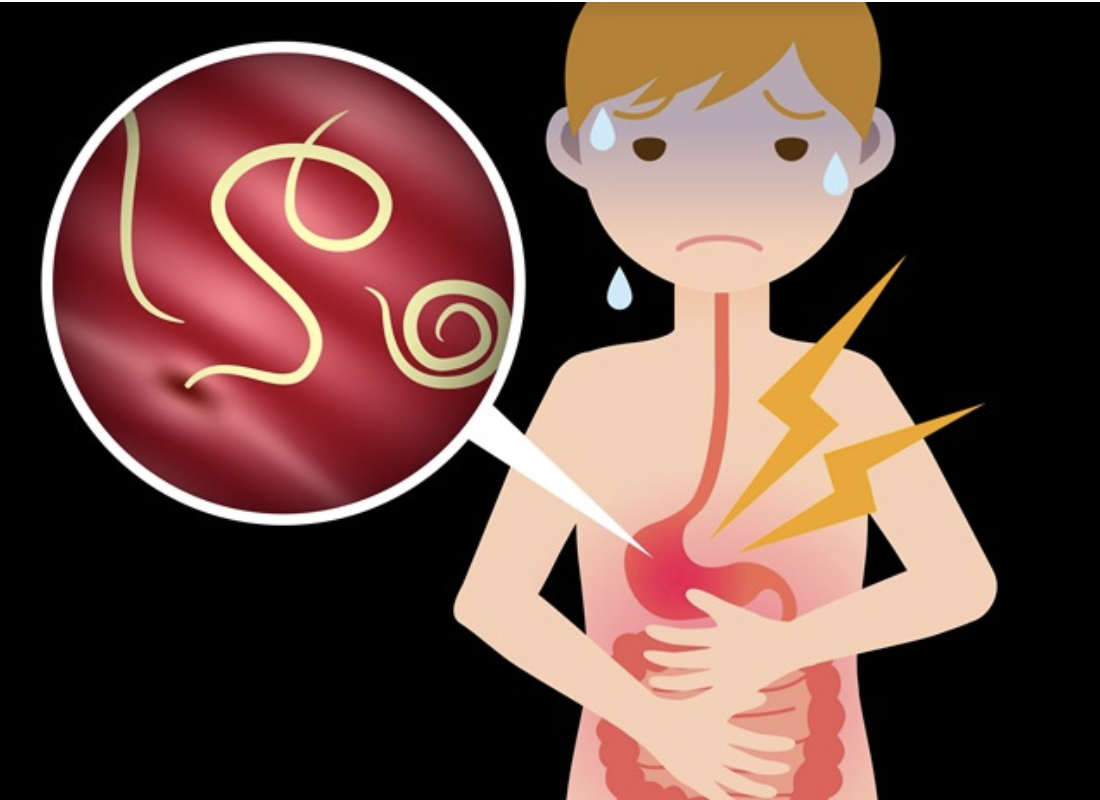
Parasitic worm infections also known as helminth infections are a significant global health concern, particularly in regions with limited sanitation, unsafe water supplies, and close contact with contaminated soil or animals. These infections are caused by multicellular parasites that live in the human body, often in the intestines but sometimes in the blood, lungs, liver, or other tissues. Because symptoms can range from mild and nonspecific to severe and life-threatening, parasitic worm infections are frequently underdiagnosed. Understanding their symptoms is essential for early detection, appropriate treatment, and prevention.
Overview of Parasitic Worm Infections
Parasitic worms are broadly classified into three main groups:
-
Roundworms (Nematodes) – such as Ascaris lumbricoides, hookworms, pinworms, and Strongyloides
-
Tapeworms (Cestodes) – including Taenia species and Echinococcus
-
Flukes (Trematodes) – such as liver flukes and blood flukes (Schistosoma)
Each type of worm affects the body differently, leading to a wide spectrum of symptoms depending on the species, parasite load, and the individual’s immune response.
General Symptoms Common to Many Worm Infections
Many parasitic worm infections share overlapping symptoms, especially in their early stages. Common general symptoms include:
-
Abdominal pain and discomfort
-
Diarrhea or constipation
-
Nausea and vomiting
-
Unexplained weight loss
-
Loss of appetite
-
Fatigue and weakness
-
Anemia, particularly with hookworm infections due to blood loss
-
Malnutrition, especially in children
These symptoms may be mild at first and worsen gradually as the worms grow and multiply in the body.
Gastrointestinal Symptoms
Since many parasitic worms reside in the intestines, gastrointestinal symptoms are among the most common indicators:
-
Chronic diarrhea, sometimes alternating with constipation
-
Bloating and gas
-
Intestinal cramps
-
Blood or mucus in stool
-
Visible worms or worm segments in feces
Heavy infestations can cause intestinal blockage, especially with large roundworms like Ascaris, leading to severe abdominal pain and vomiting.
Nutritional and Metabolic Effects
Parasitic worms compete with their host for nutrients. Over time, this can lead to:
-
Protein deficiency
-
Vitamin and mineral deficiencies, particularly iron and vitamin A
-
Stunted growth and delayed development in children
-
Muscle wasting
In endemic areas, chronic worm infections are a major contributor to childhood malnutrition and impaired cognitive development.
Skin and Allergic Manifestations
Some parasitic worms enter the body through the skin or trigger immune reactions that affect the skin. Symptoms may include:
-
Itchy rashes, especially at the site of entry (e.g., “ground itch” from hookworms)
-
Hives or urticaria
-
Localized swelling
-
Creeping eruptions, caused by larvae migrating under the skin
These symptoms are often early indicators of infection and may occur before gastrointestinal issues develop.
Respiratory Symptoms
Certain worms migrate through the lungs as part of their life cycle. This can cause:
-
Persistent cough
-
Wheezing
-
Shortness of breath
-
Chest pain
-
Coughing up blood (rare but serious)
These symptoms are sometimes misdiagnosed as asthma or respiratory infections, delaying proper treatment.
Neurological and Systemic Symptoms
In some cases, parasitic worms can invade organs outside the intestines, including the brain and nervous system. This may result in:
-
Headaches
-
Seizures
-
Confusion or cognitive impairment
-
Vision problems
-
Hydrocephalus, particularly with certain tapeworm larvae
Systemic symptoms such as fever, night sweats, and generalized inflammation may also occur, especially in fluke infections like schistosomiasis.
Symptoms Specific to Certain Worm Types
-
Pinworms: Intense itching around the anus, especially at night; sleep disturbances and irritability
-
Hookworms: Severe anemia, pale skin, fatigue, and weakness
-
Tapeworms: Often asymptomatic initially, but may cause abdominal discomfort, vitamin B12 deficiency, or cyst formation in organs
-
Flukes: Liver enlargement, jaundice, urinary problems, and chronic organ damage depending on species
When Symptoms Become Severe
Untreated parasitic worm infections can lead to serious complications, including:
-
Intestinal obstruction
-
Organ damage
-
Chronic anemia
-
Impaired immunity
-
Increased susceptibility to other infections
In endemic regions, mass deworming programs and access to antiparasitic medications are critical public health measures. Pharmaceutical supply chains, including sources such as nizonide wholesale distributors, play a role in ensuring consistent access to treatments used against certain parasitic infections, particularly in large-scale health initiatives.
Diagnosis and Importance of Early Recognition
Symptoms alone are often insufficient for diagnosis, as many overlap with other conditions. Laboratory tests such as stool examinations, blood tests, imaging studies, and serological assays are commonly used. Early recognition of symptoms improves treatment outcomes and reduces the risk of complications and transmission.
Prevention and Public Health Considerations
Preventing parasitic worm infections involves:
-
Proper sanitation and waste disposal
-
Access to clean drinking water
-
Regular handwashing
-
Thorough cooking of meat and fish
-
Wearing footwear in endemic areas
-
Periodic deworming in high-risk populations
In areas where infections are widespread, coordinated treatment programs rely on affordable and accessible medications, often sourced through large-scale pharmaceutical channels, including nizonide wholesale supply networks that support public health efforts.
Conclusion
Parasitic worm infections present with a wide range of symptoms affecting multiple body systems. From mild digestive discomfort to severe neurological complications, the clinical manifestations depend on the type of worm, infection intensity, and host factors.
Awareness of these symptoms is essential for early diagnosis, effective treatment, and prevention of long-term complications. Strengthening healthcare access, improving sanitation, and ensuring reliable medication availability remain central strategies in reducing the global burden of parasitic worm infections.

 English
 Arabic
 French
 Spanish
 Portuguese
 Deutsch
 Turkish
 Dutch
Dutch
 Italiano
 Russian
 Romaian
 Greek
Greek