


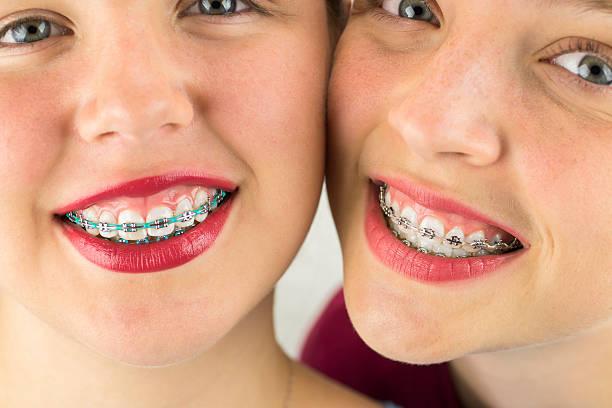
A retainer is a dental device that helps keep your teeth in place after orthodontic treatment. Many people get braces to straighten their teeth, but after braces are removed, teeth can slowly move back to their original position. This is where a retainer becomes very important. Retainers are designed to hold your teeth in their new position and prevent unwanted movement. Retainer use is essential for maintaining the results of orthodontic care.
There are different types of retainer available. The most common types are fixed retainers and removable retainers. Fixed retainers are usually bonded to the back of teeth, making them less visible and ensuring constant support. Removable retainers, on the other hand, can be taken out when eating or cleaning. Both types of retainer serve the same purpose: to keep teeth properly aligned. Choosing the right retainer depends on individual dental needs.
A retainer is not only for cosmetic purposes. Proper alignment of teeth affects chewing, speaking, and oral health. Misaligned teeth can cause bite problems, jaw pain, and difficulty in cleaning teeth. By using a retainer, you ensure that your teeth stay in the right position, reducing the risk of dental issues. Retainer use after braces is recommended by dentists worldwide to maintain long-term dental health.
Types of Retainer and How They Work
There are several types of retainer available for different dental needs. The first type is a Hawley retainer, which is removable and made of a combination of metal wires and acrylic. A Hawley retainer is durable and can be adjusted by an orthodontist if teeth shift slightly. Another type is a clear plastic retainer, often called an Essix retainer. Clear retainers are almost invisible and fit snugly over your teeth, making them a popular choice for adults and teens.
Fixed retainers are another option. These retainers are attached to the back of your teeth using dental adhesive. Fixed retainers are ideal for patients who may forget to wear removable retainers regularly. They provide continuous support and prevent teeth from moving back to their original position. A dentist or orthodontist will determine which type of retainer is most suitable for your teeth.
A retainer works by applying gentle pressure to keep teeth in place. Even after braces are removed, teeth are not completely stable and can move gradually. Wearing a retainer regularly helps maintain the alignment achieved through orthodontic treatment. Most orthodontists recommend wearing a retainer full-time at first and then switching to night-time use. Retainer use varies depending on the type of retainer and the patient’s dental needs.
Caring for Your Retainer and Maintaining Dental Hygiene
Proper care of your retainer is very important. A retainer can accumulate bacteria, plaque, and food particles if not cleaned regularly. This can cause bad breath, cavities, and gum problems. Cleaning a retainer is simple. Removable retainers can be brushed with a soft toothbrush and mild soap. Avoid using toothpaste with strong abrasives, as this can damage the retainer. Fixed retainers require careful brushing and flossing around the wire to keep teeth and gums healthy.
A retainer should also be stored properly when not in use. Removable retainers can be kept in a protective case to prevent damage or loss. Avoid exposing your retainer to high heat, which can warp the plastic. Regular dental check-ups are important to ensure that your retainer is still fitting correctly and that teeth remain properly aligned. Your dentist may adjust your retainer or recommend a replacement if needed.
Benefits of Using a Retainer After Braces
There are many benefits of using a retainer. The most obvious benefit is keeping teeth straight. Straight teeth improve your smile, confidence, and overall appearance. A retainer also helps maintain proper bite alignment, which can prevent jaw pain and uneven wear on teeth. Another benefit of using a retainer is reducing the risk of dental problems. Properly aligned teeth are easier to clean, which lowers the chances of cavities, gum disease, and plaque build-up.
A retainer also helps protect your investment in orthodontic treatment. Braces or aligners can be expensive, and using a retainer ensures that the time and money spent on dental care are not wasted. Retainer use is a lifelong habit for many people, as teeth can shift at any age. Regular use of a retainer keeps teeth in their ideal position and maintains oral health.
Common Questions About Retainer Use
Many people have questions about retainer use. One common question is how long a retainer needs to be worn. Initially, a retainer is usually worn full-time for a few months, followed by night-time use for several years. Some people may need to wear a retainer indefinitely to prevent teeth from moving. Another question is whether a retainer is uncomfortable. While there may be slight discomfort at first, a retainer becomes comfortable with regular use.
People also ask if a retainer affects speech. In most cases, a retainer may cause minor changes in speech initially, but this usually improves as you get used to wearing it. Another concern is losing a removable retainer. It is important to keep a retainer in a case when not in use to avoid losing it. Replacement retainers are possible, but consistent care reduces the need for replacements.
Tips for Making Retainer Use Easier
Using a retainer consistently can be challenging, especially for teens. Here are some tips to make retainer use easier. First, set a routine for wearing your retainer. Keeping it in a consistent spot and using reminders can help. Second, clean your retainer regularly to prevent bad smell and plaque build-up. Third, communicate with your dentist or orthodontist if your retainer feels uncomfortable or does not fit properly. Finally, remember that a retainer protects your teeth and smile, making the effort worthwhile.
Long-Term Impact of Retainer on Dental Health
A retainer has a long-term impact on dental health. By maintaining straight teeth, a retainer reduces the risk of dental issues such as cavities and gum disease. Properly aligned teeth also make it easier to chew and speak effectively. The use of a retainer ensures that the results of braces or orthodontic treatment last for many years. Even adults who did not wear a retainer as teenagers can benefit from getting one later in life. Retainer use promotes a healthy mouth and a confident smile.
Conclusion
Retainer use is essential for maintaining teeth alignment after orthodontic treatment. Whether using a fixed retainer or a removable one, wearing a retainer helps keep teeth straight, protects oral health, and maintains a confident smile. Proper care, cleaning, and regular dental check-ups ensure that your retainer continues to work effectively. A retainer is a simple yet powerful tool for long-term dental health.

 English
 Arabic
 French
 Spanish
 Portuguese
 Deutsch
 Turkish
 Dutch
Dutch
 Italiano
 Romaian
 Portuguese (Brazil)
 Greek
Greek