


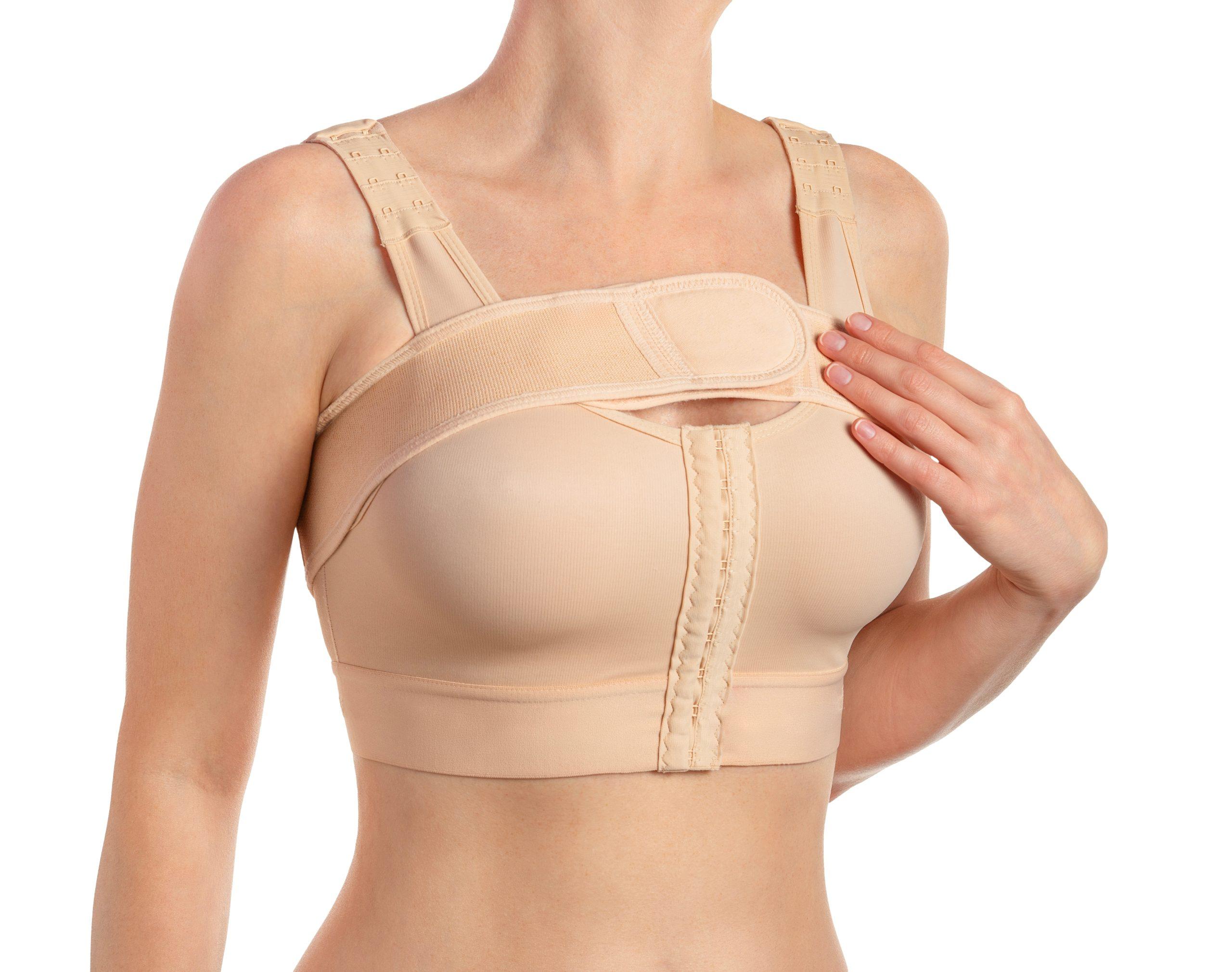
Breast lift surgery, or mastopexy, is widely performed in Riyadh by women seeking to restore a youthful breast shape, correct sagging, and improve overall body proportions. While the procedure is generally safe and effective when performed by qualified plastic surgeons, it is important for patients to understand the risks and potential complications involved. Awareness of these factors allows women to make informed decisions, prepare for recovery, and minimize adverse outcomes. Breast lift surgery in Riyadh has become increasingly popular among women seeking a more youthful and lifted appearance.
Like all surgical procedures, a breast lift carries general surgical risks. These include reactions to anesthesia, excessive bleeding, and infection. Although modern surgical techniques and sterilization practices in Riyadh clinics reduce the likelihood of these events, they remain a possibility. Anesthesia reactions, though rare, can range from mild nausea to more serious complications. Surgeons carefully evaluate medical history and overall health to reduce these risks, including reviewing allergies, medications, and prior surgeries.
One of the most common risks specific to breast lift surgery is scarring. Depending on the technique used, incisions may be placed around the areola, vertically from the areola to the breast crease, or horizontally along the inframammary fold. While surgeons aim to position incisions in areas that are naturally concealed, scarring is inevitable. In most cases, scars fade over time and become less noticeable, but some patients may experience hypertrophic or keloid scars, which are thicker, redder, and more prominent. Proper post-operative care, including scar creams, silicone sheets, and sun protection, can help improve scar appearance, but complete elimination of scars is not possible.
Changes in nipple or breast sensation are another potential complication. During a breast lift, tissue manipulation and incision placement can temporarily or permanently affect nerve pathways. Some patients experience increased sensitivity, numbness, or tingling in the nipples or breast skin. In many cases, sensation returns gradually over several months, but permanent changes can occur, particularly in more extensive procedures such as anchor lifts. Patients considering breastfeeding in the future should discuss these risks, as sensation changes can sometimes affect lactation.
Asymmetry is another risk associated with breast lift surgery. Although surgeons aim to achieve symmetrical results, natural variations in breast size, shape, and tissue quality can result in slight differences post-surgery. Minor asymmetry is common and may be corrected with additional procedures if desired. Proper preoperative planning, precise surgical technique, and realistic expectations help minimize the likelihood of noticeable asymmetry.
Wound healing issues can occur, especially in patients with certain health conditions, such as diabetes or poor circulation, or in smokers. Delayed healing can lead to widened scars, noticeable indentations, or skin breakdown at incision sites. Following the surgeon’s post-operative instructions regarding rest, hygiene, and activity limitations is critical to promoting proper healing. In Riyadh, many surgeons emphasize patient education on these aspects before and after surgery.
Other potential complications include hematoma and seroma formation, where blood or fluid accumulates under the skin. Hematomas may cause swelling, pain, and discoloration, while seromas are collections of clear fluid. Both conditions may require drainage to prevent infection and promote proper healing. Although these events are relatively rare, timely recognition and management are important for preserving breast shape and avoiding further complications.
Infection is a risk in any surgical procedure, though strict sterile techniques and prophylactic antibiotics significantly reduce its likelihood. Signs of infection include redness, warmth, increased swelling, pain, and discharge from the incision site. If an infection develops, prompt medical attention is essential, and treatment may involve antibiotics or minor surgical intervention to resolve the issue.
In rare cases, breast tissue or nipple necrosis can occur, particularly in patients with compromised blood supply due to smoking, prior surgeries, or very large breasts. Necrosis refers to tissue death and can affect the nipple, areola, or surrounding skin. Immediate attention from the surgeon is required to manage this serious complication and may involve additional procedures to correct the affected tissue.
Finally, patients should be aware of the limitations and potential need for revision surgery. Over time, gravity, aging, weight fluctuations, or pregnancy may affect the results of a breast lift, causing some degree of sagging to return. While mastopexy provides long-lasting results, it is not a permanent solution to the natural aging process. Revision surgeries may be considered in the future to maintain the desired breast shape.
Minimizing risks involves careful patient selection, preoperative evaluation, and adherence to post-operative instructions. Patients in Riyadh are advised to choose board-certified plastic surgeons with experience in mastopexy, maintain a healthy lifestyle, avoid smoking before and after surgery, and follow all guidelines regarding wound care, activity restrictions, and supportive garments. Open communication with the surgeon about medical history, medications, and aesthetic goals is essential to anticipate potential complications and manage expectations.
In conclusion, while breast lift surgery in Riyadh can provide dramatic improvements in breast shape and confidence, patients must be aware of the associated risks and complications. Understanding issues such as scarring, sensation changes, asymmetry, healing problems, and potential revision surgery helps women make informed choices. By selecting an experienced surgeon, preparing properly, and adhering to post-operative care, most patients achieve safe, satisfying results with minimized complications, ultimately restoring a youthful, natural breast contour.

 English
 Arabic
 French
 Spanish
 Portuguese
 Deutsch
 Turkish
 Dutch
Dutch
 Italiano
 Russian
 Portuguese (Brazil)
 Greek
Greek