


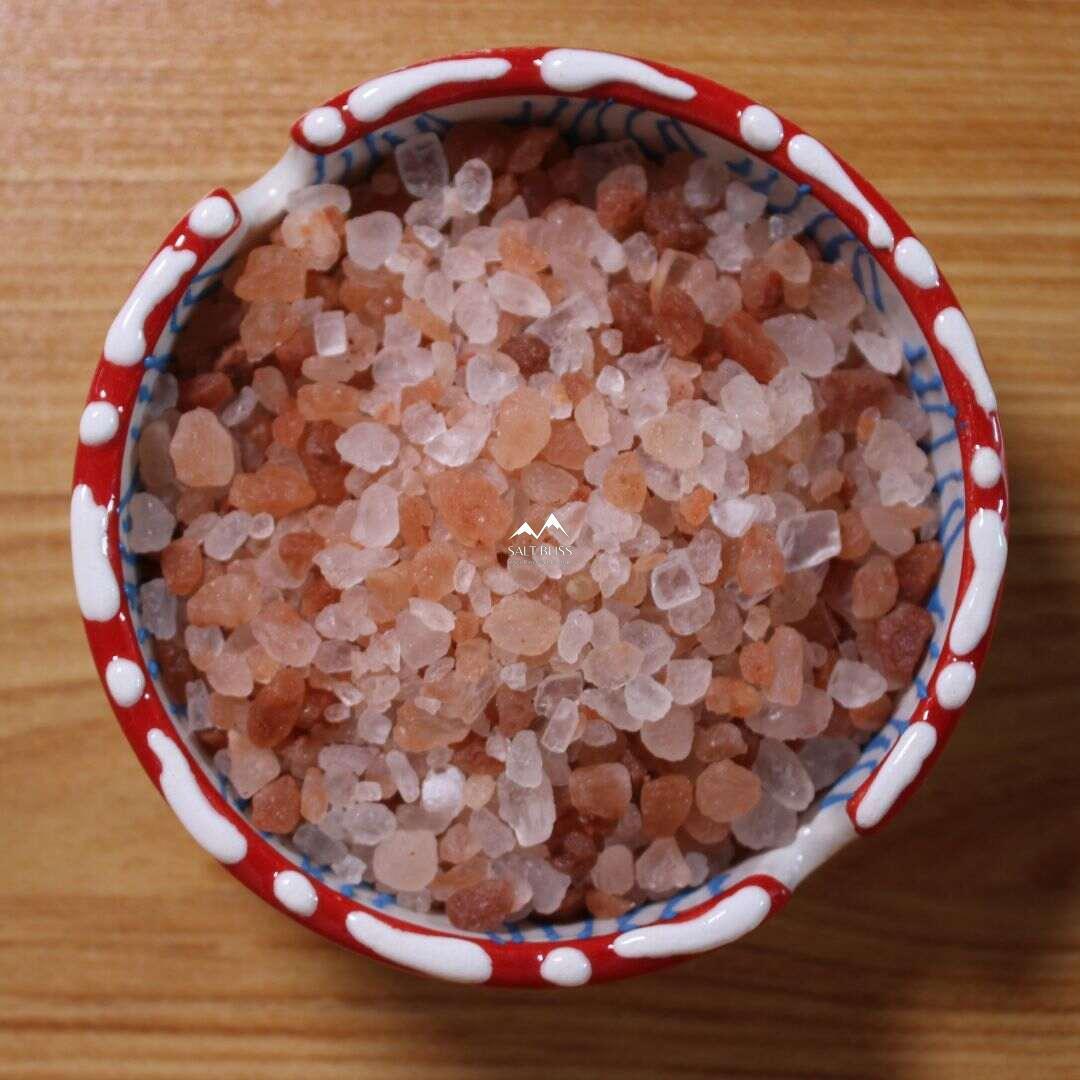
Salt has been part of human history for thousands of years, valued not only for flavor but also for preservation and cultural traditions. Today, as people pay closer attention to food quality and ingredient sourcing, interest in natural salts has grown significantly. Among them, Himalayan dark pink salt stands out for its color, origin, and mineral composition.
This ancient salt is more than just a seasoning. Its distinct hue and subtle taste come from a unique mineral profile that has captured the attention of chefs, wellness enthusiasts, and home cooks alike. Understanding what makes Himalayan dark pink salt different can help you appreciate why it has become such a popular choice worldwide.
Formed Millions of Years Ago
The story of Himalayan dark pink salt begins in prehistoric oceans that existed long before modern civilization. When these ancient seas evaporated, they left behind vast mineral deposits. Over millions of years, these layers were buried beneath rock and protected from pollution and environmental changes.
Today, this salt is carefully mined from deep underground deposits. Because it has remained isolated from modern contaminants, many people consider it one of the purest natural salts available. Its untouched origin is a big part of its appeal.
What Gives It the Dark Pink Color?
The signature color of Himalayan dark pink salt comes from trace minerals that are naturally present in the salt crystals. Unlike regular table salt, which is almost entirely sodium chloride, this mineral salt contains small amounts of other elements that contribute to both its color and its subtle flavor differences.
Iron is the primary mineral responsible for the pink to reddish tones. Depending on the concentration, the color can range from pale blush to deep, earthy pink. These natural variations are a sign of authenticity and minimal processing.
Key Trace Minerals Found in Himalayan Salt
Although sodium chloride makes up the majority of Himalayan dark pink salt, it also contains trace amounts of other minerals. These include:
-
Iron – Contributes to the pink color
-
Magnesium – Plays a role in muscle and nerve function
-
Potassium – Supports fluid balance in the body
-
Calcium – Important for bones and teeth
-
Zinc and copper – Present in very small amounts
It’s important to note that these minerals exist in small quantities, so the salt should not be considered a major nutritional source. However, their presence is one reason many people prefer it over heavily refined alternatives.
Less Processing, More Natural Structure
One of the defining characteristics of Himalayan dark pink salt is the way it is processed. Unlike table salt, which is often bleached, refined, and mixed with anti-caking agents, Himalayan salt is typically hand-mined, washed, and crushed into different sizes.
This minimal processing helps preserve its natural mineral composition and crystal structure. For consumers who want foods that are closer to their natural state, this makes a big difference.
A Subtle Difference in Taste
Many people notice that Himalayan dark pink salt tastes slightly different from regular table salt. While it is still salty, the flavor is often described as smoother and less sharp.
The trace minerals can give it a more rounded taste, which enhances food without overwhelming it. This is why chefs often use it as a finishing salt, where its flavor and texture can be fully appreciated.
Crystal Structure and Texture
The mineral content also affects the texture of Himalayan dark pink salt. It forms larger, denser crystals compared to the fine grains of refined salt. These crystals can be ground into different sizes depending on how they will be used.
Coarse grains provide a satisfying crunch when sprinkled on finished dishes, while fine versions dissolve easily in cooking and baking. This versatility makes it a practical choice for many culinary applications.
How It Compares to Other Natural Salts
There are several types of natural salts available today, including sea salt, kosher salt, and fleur de sel. While each has its own characteristics, Himalayan dark pink salt is unique because of its underground origin and mineral content.
Sea salts come from evaporated seawater and may contain microplastics or environmental pollutants, depending on the source. Himalayan salt, formed in ancient seas and protected underground, is often seen as a cleaner option by comparison.
Popular in Wellness Circles
The mineral profile of Himalayan dark pink salt has made it popular in wellness communities. Some people believe that the trace minerals support hydration and electrolyte balance when used in small amounts.
Although the quantities of minerals are modest, the idea of choosing a less processed, more natural salt aligns with holistic lifestyle choices. It’s often used in homemade electrolyte drinks, broths, and whole-food recipes.
Used Beyond Food
Because of its mineral composition, Himalayan dark pink salt is also used in non-culinary products. Bath salts, scrubs, and spa treatments often feature this mineral-rich salt for relaxation and skin exfoliation.
Salt lamps made from similar mineral deposits are used as decorative items, valued for their warm glow and natural look. While health claims about air purification are debated, many people enjoy them for their calming ambiance.
Choosing Authentic Himalayan Salt
Not all pink salts on the market are equal. To ensure you’re getting genuine Himalayan dark pink salt, look for:
-
Natural, uneven color variations
-
No added dyes or artificial coloring
-
Clear labeling of origin
-
Food-grade certification
Authentic salt will never look uniformly bright pink. Instead, it should show subtle differences in shade, reflecting its natural mineral makeup.
A Mineral-Rich Symbol of Natural Living
For many people, using Himalayan dark pink salt is about more than flavor. It represents a move toward natural, minimally processed ingredients and a greater awareness of food sources.
Even though it should still be consumed in moderation like any salt, its mineral profile and ancient origins make it a meaningful choice for those who value traditional and natural foods.
The Lasting Appeal of Mineral Salt
Trends in food come and go, but the interest in Himalayan dark pink salt continues to grow. Its unique mineral composition, beautiful color, and gentle taste ensure it remains a favorite among cooks and wellness enthusiasts alike.
By understanding the minerals that give this salt its distinctive qualities, you can better appreciate why it stands out from ordinary table salt. In the end, Himalayan dark pink salt is more than just seasoning — it’s a natural product shaped by time, geology, and tradition.

 English
 Arabic
 French
 Spanish
 Portuguese
 Deutsch
 Dutch
Dutch
 Italiano
 Russian
 Romaian
 Portuguese (Brazil)
 Greek
Greek