


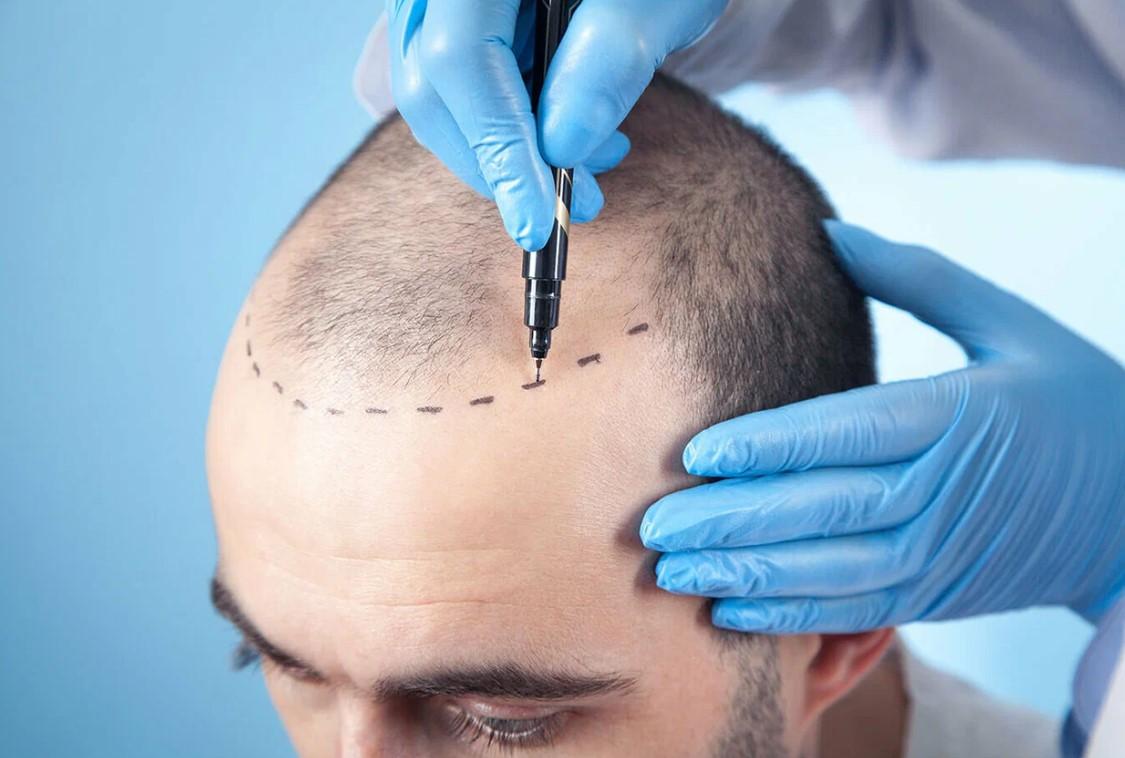
Hair transplantation is a highly specialized procedure that restores hair to areas affected by thinning or baldness. In Dammam, modern clinics use internationally recognized techniques such as Follicular Unit Extraction (FUE) and Follicular Unit Transplantation (FUT). While the methods differ in how donor hair is harvested, the overall procedure follows a systematic approach designed for safety, precision, and natural results. Hair transplant in dammam is a reliable solution for individuals seeking long-term hair restoration and natural-looking results.
Understanding the step-by-step process can help patients feel more confident and prepared.
1. Initial Consultation and Assessment
The first step is a detailed consultation with a qualified hair transplant specialist. During this visit:
-
Medical and Hair Loss History: The surgeon assesses your pattern of hair loss, family history, and any medical conditions that might affect surgery. Conditions such as thyroid disorders or anemia are evaluated and treated if necessary.
-
Scalp Examination: The density and quality of donor hair at the back and sides of the scalp are measured to ensure sufficient grafts for transplantation.
-
Expectations Discussion: Surgeons discuss realistic outcomes, hairline design, and long-term considerations.
-
Planning the Procedure: A personalized plan is created, including the number of grafts needed, the method (FUE or FUT), and estimated surgery duration.
Some clinics may also perform blood tests or imaging to support the planning process.
2. Pre-Operative Preparation
Before the surgery day, patients are given instructions to ensure a smooth procedure:
-
Avoid Medications That Increase Bleeding: Anti-inflammatory drugs or blood thinners may need to be paused under medical guidance.
-
Hair Washing: The scalp should be clean and free from oils or styling products.
-
Lifestyle Adjustments: Avoid alcohol and smoking for a few days prior, as these can affect healing.
-
Arranging Transportation: While local anesthesia is used, it’s recommended to have someone accompany you to and from the clinic.
3. Donor Area Preparation
On the day of surgery, the donor area is prepared carefully:
-
Shaving (Optional): For FUE, the donor area may be shaved to allow easier access to follicles. Some clinics offer “unshaven FUE” for minimal visual disruption.
-
Local Anesthesia: The donor area is numbed using injections of local anesthetic, ensuring the patient feels comfortable without general anesthesia.
4. Harvesting Hair Follicles
The method of harvesting depends on whether FUE or FUT is used:
-
FUE (Follicular Unit Extraction): Individual hair follicles are extracted one by one using a micro-punch tool. This leaves tiny circular marks that heal quickly and are minimally visible.
-
FUT (Follicular Unit Transplantation): A thin strip of scalp is surgically removed from the donor area. This strip is then dissected into individual follicular units under a microscope. The donor site is closed with stitches, leaving a linear scar that is hidden by surrounding hair.
Both methods aim to harvest healthy follicles that will thrive once transplanted.
5. Preparing the Recipient Area
Once donor follicles are ready:
-
Cleaning and Numbing: The recipient area is cleaned and anesthetized with local anesthesia.
-
Designing the Hairline and Density: Surgeons carefully mark the hairline and areas of thinning, considering facial symmetry, natural angles, and the patient’s age.
-
Creating Recipient Sites: Tiny incisions or slits are made in the scalp to receive the grafts. The direction, angle, and spacing of these incisions are critical for natural results.
6. Implanting the Hair Grafts
Grafts are meticulously placed into the recipient sites:
-
Manual or Assisted Placement: Surgeons or trained technicians insert each follicle into the prepared sites using fine forceps or specialized implantation tools.
-
Attention to Natural Patterns: The angle, orientation, and density are carefully controlled to mimic natural hair growth and ensure a seamless appearance.
-
Periodic Checks: The surgical team periodically reassesses placement to maintain symmetry and density consistency.
This step is time-intensive and can take several hours depending on the number of grafts.
7. Immediate Post-Operative Care
After graft placement:
-
Cleaning and Dressing: The scalp may be gently cleaned, and protective dressing applied if needed.
-
Instructions on Activity: Patients are advised to avoid strenuous activity, direct sun exposure, and friction to the grafted area for several days.
-
Medications: Pain relievers, anti-inflammatory drugs, or antibiotics may be prescribed to minimize discomfort and prevent infection.
8. Recovery and Follow-Up
-
First Few Days: Mild swelling, redness, and tiny scabs around grafts are normal. Scabs usually fall off within a week.
-
Hair Shedding: Transplanted hair may shed in the first few weeks — a normal phase before new growth begins.
-
Growth Timeline: New hair typically starts growing at 3–4 months. Noticeable results appear around 6–9 months, with full density achieved by 12 months.
-
Follow-Up Visits: Surgeons in Dammam schedule follow-ups to monitor healing and address any concerns.
9. Long-Term Care
-
Maintain scalp hygiene and follow post-operative advice.
-
Consider supporting treatments such as PRP, topical solutions, or medications if recommended.
-
Avoid trauma or excessive styling that could damage the transplanted follicles.
Conclusion
Hair transplant procedures in Dammam follow a systematic approach designed for safety, precision, and natural outcomes. From consultation and donor harvesting to graft implantation and recovery, every step is tailored to the individual’s needs and hair characteristics. With proper planning, a skilled surgeon, and adherence to aftercare, patients can achieve long-lasting, natural-looking hair restoration and regain confidence in their appearance.

 Arabic
 French
 Spanish
 Portuguese
 Deutsch
 Turkish
 Dutch
Dutch
 Italiano
 Russian
 Romaian
 Portuguese (Brazil)
 Greek
Greek