


The world's population continues to grow at an unprecedented rate. Cities expand, industries develop, and the demand for usable space intensifies. This pressure has led engineers and urban planners to explore innovative solutions. One such solution involves creating new territory from water bodies.
Understanding the Process of Creating New Land
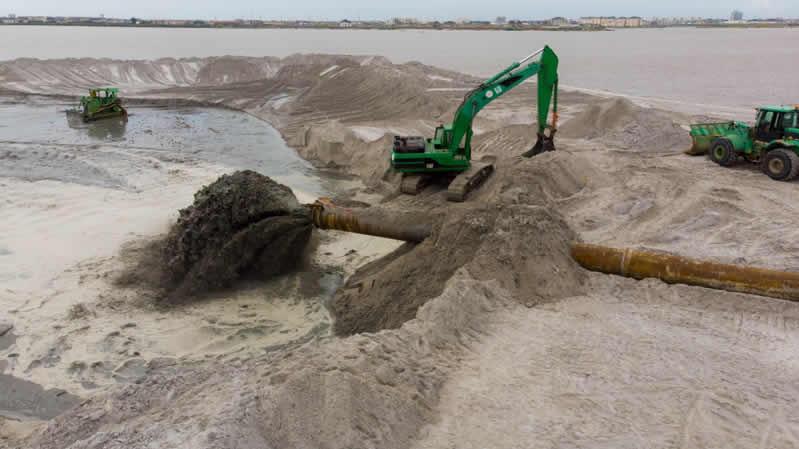
Land reclamation transforms water-covered areas into productive terrestrial zones. Engineers employ various techniques to achieve this remarkable feat. The process typically begins with constructing barriers around the designated area. Workers then pump out water and fill the space with materials. Sand, soil, and rocks become the foundation of these new territories.
Countries like the Netherlands pioneered these techniques centuries ago. Their expertise helped reclaim vast areas from the sea. Modern technology has made the process more efficient and sustainable. Today's projects utilize advanced machinery and environmental assessment tools.
Historical Developments That Shaped Modern Techniques
Ancient civilizations understood the value of expanding usable territory. The Aztecs created chinampas, floating gardens in lake systems. These agricultural platforms demonstrated early innovation in space optimization. Chinese communities built polders along coastal regions for farming purposes.
The Industrial Revolution accelerated development in reclamation engineering. Steam-powered pumps allowed larger projects to become feasible. European nations invested heavily in coastal expansion during this period. Their success inspired similar initiatives across different continents.
Methods Engineers Use to Reclaim Territory
Several approaches exist for converting aquatic environments into usable ground. The fill method remains the most common technique worldwide. Dredgers extract sediment from deeper waters and deposit it strategically. This material gradually builds up above the waterline.
Drainage systems remove excess water from marshy or wetland areas. Polders use dikes and pumping stations to maintain dry conditions. This Dutch innovation has been replicated in many countries. The technique proves particularly effective in low-lying coastal zones.
Hybrid approaches combine multiple methods for optimal results. Engineers assess geological conditions before selecting appropriate techniques. Soil composition, water depth, and environmental factors influence these decisions. Modern projects prioritize sustainability alongside functionality and cost-effectiveness.
Major Projects Around the Globe
Singapore stands as a remarkable example of successful territorial expansion. The island nation has increased its size significantly since independence. Projects like Marina Bay transformed the country's skyline and economy. These developments provided space for commerce, housing, and recreation.
Dubai's Palm Islands showcase ambitious artificial archipelago construction. These palm-shaped structures became iconic symbols of engineering prowess. The projects attracted international attention and significant investment. They demonstrate how reclaimed areas can drive tourism and development.
Hong Kong International Airport sits entirely on reclaimed territory. Engineers flattened mountains and used the material for expansion. This project solved the city's space constraints effectively. The airport now serves as a major aviation hub.
The Netherlands continues expanding despite limited natural territory. The Flevoland province represents one of the largest reclaimed regions. Thousands of residents now call this former seabed home. Agricultural productivity in the area supports the national economy.
Environmental Considerations and Ecological Impact
These projects inevitably affect marine and coastal ecosystems significantly. Fish populations lose critical breeding grounds when habitats disappear. Wetlands that filter water and support biodiversity face destruction. Sediment disruption during construction can harm aquatic life temporarily.
Climate change adds complexity to environmental assessment processes today. Rising sea levels threaten the long-term viability of reclaimed areas. Engineers must design projects with future conditions in mind. Adaptation strategies include elevated foundations and improved drainage systems.
Some modern projects incorporate ecological restoration as core components. Artificial reefs can replace lost marine habitats partially. Mangrove planting helps stabilize coastlines and supports wildlife. Green infrastructure integration demonstrates evolving environmental consciousness in engineering.
Economic Benefits Driving Continued Investment
Cities gain valuable real estate through coastal expansion efforts. This new territory accommodates residential, commercial, and industrial development. Property values in well-designed areas often appreciate substantially. Governments generate revenue through land sales and increased taxation.
Port facilities expand operations using reclaimed waterfront zones effectively. Larger vessels require deeper harbors and extensive loading infrastructure. These enhancements boost international trade and logistics capabilities. Economic zones on new land attract foreign investment regularly.
Tourism developments on artificial islands create employment opportunities locally. Hotels, entertainment venues, and attractions generate ongoing revenue streams. Countries with limited natural space benefit particularly from expansion. The return on investment often justifies the substantial initial costs.
Challenges Engineers and Planners Face
Soil settlement remains a persistent technical challenge in construction. Newly filled areas compact over time under structural weight. This settling can damage buildings and infrastructure if inadequately addressed. Engineers use soil improvement techniques to minimize these risks.
Saltwater intrusion threatens freshwater resources in coastal reclamation zones. Protective barriers and monitoring systems help manage this concern. Long-term maintenance requires ongoing investment and expert oversight. Communities must balance development benefits against these operational costs.
Political and social considerations sometimes complicate project planning phases. Fishing communities may lose traditional grounds to expansion efforts. International maritime boundaries occasionally create diplomatic tensions and disputes. Public consultation processes help address stakeholder concerns more effectively.
Future Trends in Coastal Development
Floating architecture offers an alternative to traditional filling methods. These structures adapt to changing water levels more easily. Countries like the Maldives explore this option given climate threats. The technology reduces environmental disruption compared to conventional approaches.
Sustainable materials are replacing traditional fill sources in projects. Recycled construction waste provides an eco-friendly alternative to dredging. This approach addresses both space needs and waste management. Innovation in materials science continues improving project sustainability profiles.
Smart city integration transforms reclaimed areas into technological showcases. Renewable energy systems, efficient transportation, and digital infrastructure define development. These features attract businesses and residents seeking modern amenities. Land reclamation projects increasingly emphasize quality over quantity alone.
Why This Matters for Global Development
Territorial expansion addresses critical space shortages in densely populated regions. Millions of people benefit from housing and employment opportunities. Infrastructure development supports economic growth and improved living standards. These projects demonstrate human ingenuity in overcoming geographical limitations.
Understanding the balance between development and environmental protection remains essential. Future generations depend on responsible planning and execution today. The techniques continue evolving with technological advancement and ecological awareness. Strategic coastal development will shape how communities adapt worldwide.

 Arabic
 French
 Spanish
 Portuguese
 Deutsch
 Turkish
 Dutch
Dutch
 Italiano
 Russian
 Romaian
 Portuguese (Brazil)
 Greek
Greek