


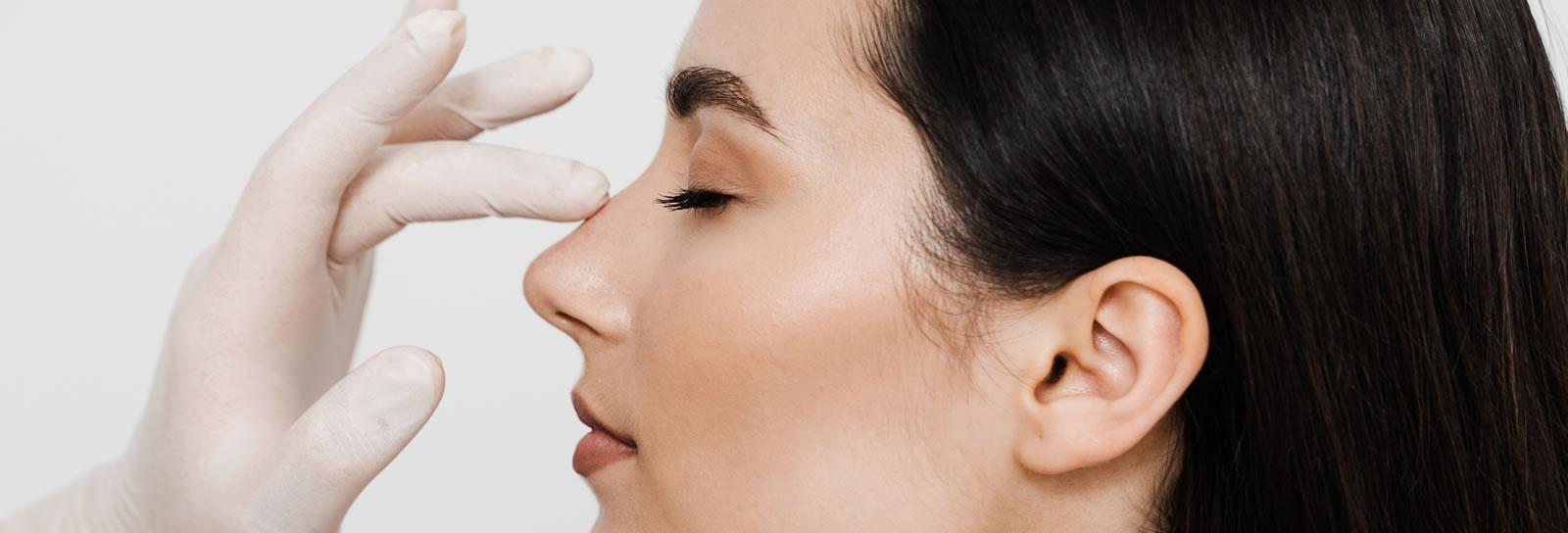
The Art of the Profile: How Rhinoplasty Can Transform Your Side View
The profile view is perhaps the most scrutinized angle of the human face, as it reveals the starkest relationship between the forehead, the nose, the lips, and the chin. Unlike the frontal view, where symmetry is the primary focus, the side view is defined by contours, projections, and angles that dictate a person's visual silhouette. For many individuals, a prominent dorsal hump, a drooping tip, or a lack of bridge height can create a sense of facial imbalance that is only visible in profile. Opting for Rhinoplasty in Riyadh (تجميل الأنف في الرياض)has become a transformative solution for those looking to refine these specific contours. By addressing the "S-curve" of the face and ensuring the nose aligns with the vertical proportions of the profile, modern surgical techniques can create a dramatic yet natural-looking change that enhances the entire facial structure.
The Anatomy of a Perfect Profile
In aesthetic medicine, a "perfect" profile is not about a specific shape, but about the mathematical relationship between different facial points. Surgeons often look at three primary landmarks when planning a profile transformation:
-
The Radix: This is the starting point of the nose at the bridge of the forehead. If the radix is too high, it creates a "Roman" look; if it is too low, the nose can look deep-seated or flat.
-
The Dorsum: This is the bridge of the nose. Correcting a dorsal hump is one of the most common reasons for seeking profile refinement. Modern surgery focuses on creating a smooth, straight, or slightly concave line (depending on the patient's gender and preference).
-
The Supratip Break: This is a subtle dip just above the nasal tip. In a feminine profile, this slight indentation adds a delicate, refined touch, whereas in a masculine profile, a straighter line is often preferred.
Correcting the Dorsal Hump: Smoothing the Silhouette
A dorsal hump is typically composed of both bone and cartilage. In the past, removing a hump often involved a "resectional" approach that could leave the bridge looking too flat or "scooped." Today’s advanced methods in Riyadh prioritize a more controlled reduction.
Using specialized tools like ultrasonic bone aspirators, surgeons can "shave" the bone down micron by micron. This allows for an incredibly smooth transition. By removing the hump, the visual focus shifts from the center of the nose back to the eyes. Additionally, smoothing the bridge can make the nose appear shorter and more in proportion with a smaller face, significantly softening the overall appearance of the profile.
The "Drooping Tip" and the Nasolabial Angle
The angle between the base of the nose and the upper lip—known as the nasolabial angle—is a critical component of the side view. A "ptotic" or drooping tip can make a person appear older than they are and can make the nose seem excessively long.
During a profile-focused rhinoplasty, the surgeon can rotate the tip upward. This is achieved by reshaping the lower lateral cartilages or using a "columellar strut graft" for support. Rotating the tip by even a few degrees can have a massive impact on the profile, creating a more youthful, "lifted" appearance. This also helps to prevent the nose from "hooking" when the patient smiles, a common concern for those seeking profile correction.
Balancing the Chin-Nose Relationship
A profile transformation is rarely about the nose alone; it is about how the nose relates to the chin. In many cases, a nose may appear too large simply because the patient has a "weak" or recessed chin.
Surgeons in Riyadh often perform a "Profiloplasty," which considers the nose and chin together. If a patient has a recessed chin, the surgeon might suggest a minor chin augmentation alongside the rhinoplasty. This creates a more balanced "line of projection." When the chin is brought forward and the nose is refined, the jawline appears more defined, and the neck looks longer and slimmer in the profile view.
Projection and De-Projection: Finding the Right Depth
Nasal projection refers to how far the nose sticks out from the face.
-
Over-projection: If the nose sticks out too far, it can dominate the face. De-projecting the nose involves moving the entire nasal structure closer to the facial plane.
-
Under-projection: Conversely, a "flat" profile may require increasing projection. This is common in patients who want a more defined bridge. Surgeons use cartilage grafts (often taken from the septum) to build up the bridge and tip, creating a stronger, more assertive profile.
The Role of 3D Imaging in Profile Planning
Because the profile is an angle we rarely see ourselves (except in mirrors or photos), 3D imaging technology is a vital tool in modern Riyadh clinics. During the consultation, software can generate a 3D model of the patient’s head, allowing them to see exactly how different bridge heights or tip rotations will look from the side. This "virtual surgery" helps align the patient's expectations with the surgeon's capabilities, ensuring that the final silhouette is exactly what the patient envisioned.
Recovery and the "New" Profile
One of the most exciting moments in the rhinoplasty journey is the "cast removal" day, usually about a week after surgery. This is the first time the patient sees their new profile. While there will still be swelling, the change in the silhouette is usually immediate and striking.
Over the following months, as the swelling subsides from the bridge and then the tip, the profile becomes increasingly refined. Patients often find that they feel more confident in social situations, no longer feeling the need to turn their head or avoid side-view photographs. The "Art of the Profile" is ultimately about giving the patient a sense of freedom—the freedom to be seen from any angle and feel completely at harmony with their appearance.
Long-Term Benefits of Profile Refinement
Beyond aesthetics, refining the profile often has functional benefits. Straightening a crooked bridge or lifting a drooping tip can open up the nasal valves, leading to improved breathing. Furthermore, because modern techniques focus on structural support, the new profile is built to last. The cartilage grafts used to support the tip ensure that the "lifted" look doesn't sag over time, providing a permanent solution to a lifelong insecurity.

 English
 Arabic
 French
 Spanish
 Portuguese
 Deutsch
 Turkish
 Dutch
Dutch
 Italiano
 Romaian
 Portuguese (Brazil)
 Greek
Greek