


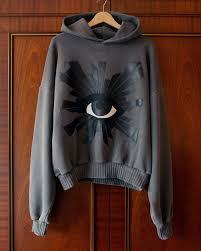
The House of Errors is not a place of shame, nor a symbol of defeat. It is a powerful metaphor for human experience—a space where mistakes live, lessons are born, and growth quietly takes shape. Every individual, organization, and society eventually passes through the House of Errors. Some enter unwillingly, some by choice, but no one leaves unchanged.
Rather than hiding errors, this house invites us to examine them. It reminds us that progress is rarely built on perfection. Instead, it is shaped by missteps, corrections, and the courage to continue. The House of Errors stands as a reflection of truth: failure is not the opposite of success—it is part of it.
1. Understanding the Concept of the House of Errors
1.1 What the House Represents
The House of Errors represents a symbolic space where mistakes are acknowledged rather than denied. It is where flawed decisions, wrong turns, and missed opportunities gather—not to haunt us, but to teach us. Each room in the house holds a different lesson, shaped by experience and time.
1.2 Why Errors Matter
Errors are essential to learning. Without them, growth would be shallow and understanding incomplete. The House of Errors exists to remind us that mistakes are not signs of weakness; they are proof of effort, risk, and ambition.
2. The Architecture of the House of Errors
2.1 The Foundation: Human Imperfection
At its core, the House of Errors is built on imperfection. Humans are not designed to be flawless. Emotions, assumptions, pressure, and uncertainty all contribute to error. The foundation of the house accepts this truth instead of resisting it.
2.2 The Walls: Experience and Memory
The walls of the House of Errors are formed by experiences. Every memory—whether painful or empowering—adds strength to its structure. These walls remind us where we have been and prevent us from repeating the same mistakes unconsciously.
2.3 The Doors: Choice and Awareness
Each door in the House of Errors represents a choice. Some doors lead to understanding, others to repetition. Awareness determines which door we open. Growth begins the moment we choose reflection over avoidance.
3. Types of Errors Found in the House
3.1 Personal Errors
Personal errors are deeply emotional. They include wrong decisions, broken trust, missed chances, and moments of fear. These errors shape character and often carry the strongest lessons.
3.2 Professional Errors
Mistakes in careers, businesses, or leadership roles also live in the House of Errors. These may include poor planning, misjudgment, or failed strategies. While costly, such errors often become the foundation of future success.
3.3 Social and Cultural Errors
Societies also make mistakes. Cultural misunderstandings, historical wrongs, and systemic failures form shared rooms in the House of Errors. Acknowledging them is essential for collective healing and progress.
4. Fear and Resistance Inside the House
4.1 The Fear of Judgment
One of the greatest barriers to entering the House of Errors is fear—fear of being judged, criticized, or misunderstood. This fear keeps many people trapped outside, repeating mistakes instead of learning from them.
4.2 Denial and Avoidance
Denial is an attempt to lock the doors of the house. But locked doors do not erase errors; they only delay confrontation. The longer errors remain ignored, the more power they hold.
5. Reflection as the Key to Growth
5.1 The Role of Self-Reflection
Reflection is the light inside the House of Errors. It allows us to see clearly—without distortion or blame. Through reflection, mistakes transform into insights.
5.2 Learning Without Self-Punishment
The purpose of the House of Errors hoodie is not punishment. Growth occurs when we study our mistakes without destroying our self-worth. Compassion toward oneself is essential for true learning.
6. The House of Errors in Creativity and Innovation
6.1 Failure as a Creative Tool
Many creative breakthroughs are born inside the House of Errors. Artists, inventors, and innovators often fail repeatedly before achieving success. Each failure refines vision and sharpens skill.
6.2 Innovation Through Experimentation
Innovation requires risk, and risk guarantees mistakes. The House of Errors becomes a workshop where ideas are tested, adjusted, and rebuilt stronger than before.
7. The Emotional Rooms of the House
7.1 Regret
Regret occupies one of the most visited rooms. It reflects choices that could not be undone. However, regret also carries wisdom when acknowledged honestly.
7.2 Guilt and Responsibility
Guilt reminds us of accountability. When handled correctly, it encourages responsibility rather than self-destruction.
7.3 Acceptance and Forgiveness
The most powerful room in the House of Errors is acceptance. Here, forgiveness—both self-forgiveness and forgiveness of others—allows healing to begin.
8. Growth Beyond the House of Errors
8.1 Carrying the Lessons Forward
Leaving the House of Errors does not mean forgetting it. The lessons travel with us, shaping better decisions and stronger values.
8.2 Wisdom Through Experience
Wisdom is earned, not inherited. It is the reward for walking through error with honesty and courage. Those who embrace their mistakes often become guides for others.
9. The House of Errors as a Teacher
9.1 Mistakes as Mentors
Every error holds instruction. When listened to carefully, mistakes become mentors that guide future actions.
9.2 Building Resilience
Resilience is built inside the House of Errors. The ability to stand again after failure is one of the strongest human qualities.
10. Reframing the Meaning of Failure
10.1 Failure Is Not the End
Failure is often misunderstood as final. In truth, it is transitional—a pause between effort and improvement.
10.2 Success Redefined
Success is not the absence of mistakes, but the ability to learn, adapt, and grow through them.
Conclusion
The House of Errors is not a place to fear—it is a place to understand. It holds the truth that mistakes are inevitable, meaningful, and essential to progress. Whether personal, professional, or collective, errors shape who we become.
By entering the House of Errors with courage and honesty, we transform failure into wisdom and pain into growth. Those who learn to walk through its rooms without shame emerge stronger, wiser, and more human. In the end, the House of Errors does not define us by our mistakes—it defines us by what we choose to learn from them.

 Arabic
 French
 Spanish
 Portuguese
 Deutsch
 Turkish
 Dutch
Dutch
 Italiano
 Russian
 Romaian
 Portuguese (Brazil)
 Greek
Greek