


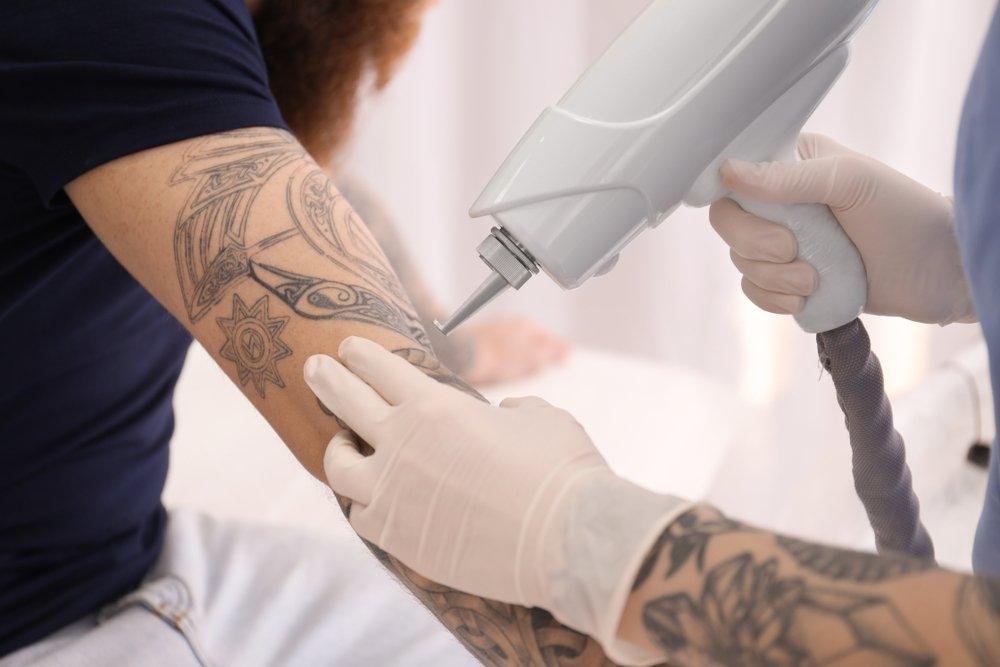
Tattoo removal is a process that requires careful aftercare, especially in Riyadh where the hot and dry climate can affect healing. After a laser tattoo removal session, your skin is essentially recovering from a controlled injury. Proper care helps prevent complications, speeds healing, and improves results. In Riyadh’s heat, you must pay extra attention to sun protection, hydration, and avoiding irritation. Permanent tattoo removal in Riyadh has become a popular choice for people looking to safely erase unwanted ink with modern laser technology.
1. Immediately After the Session
Right after laser tattoo removal, the treated area may look like a sunburn. It can be red, swollen, and slightly raised. Some people notice tiny blisters or a white “frosting” effect on the tattoo, which is normal. This frosting is caused by the laser breaking down the ink particles.
To support healing:
-
Keep the area clean and dry for the first few hours.
-
Apply a thin layer of the recommended ointment or moisturizer.
-
Avoid touching or scratching the area.
In Riyadh, the heat can increase swelling, so it’s a good idea to stay in a cool, air-conditioned environment for the rest of the day.
2. Keep the Area Clean and Moisturized
Cleaning the area twice a day is important to prevent infection. Use a mild, fragrance-free cleanser and lukewarm water. Avoid harsh soaps, scrubbing, or rubbing the skin. After cleaning, gently pat the area dry with a clean towel.
Apply a thin layer of the recommended healing ointment or moisturizer. Do not over-apply, as thick layers can trap heat and moisture, increasing the risk of irritation or infection.
3. Avoid Sun Exposure at All Costs
Sun protection is the most important part of aftercare in Riyadh. UV exposure can cause pigmentation changes and slow healing. The treated area is more sensitive to sunlight, and direct exposure can lead to darkening or lightening of the skin.
To protect your skin:
-
Avoid direct sunlight for at least 2 weeks after each session.
-
Wear loose, breathable clothing that covers the treated area.
-
Use a broad-spectrum sunscreen with high SPF (at least SPF 50) once the skin has healed enough for sunscreen application.
-
Avoid tanning beds or sunbathing.
If you need to go outside, stay in shaded areas and use an umbrella for extra protection.
4. Stay Hydrated
Riyadh’s dry heat can dehydrate your body quickly, which affects skin healing. Drinking enough water supports skin repair and helps your immune system remove ink particles.
Aim to drink at least 2 to 3 liters of water daily, and consider including hydrating foods like fruits and vegetables. If you sweat heavily, increase your fluid intake accordingly.
5. Avoid Heat and Sweating
Sweating can irritate the treated area and increase the risk of infection. For at least 48 to 72 hours after the session, avoid:
-
Heavy exercise
-
Saunas or steam rooms
-
Hot showers
-
Swimming pools or public baths
In Riyadh’s climate, even light outdoor activity can cause sweating, so it’s best to stay indoors and avoid strenuous movement for the first few days.
6. Do Not Pick or Scratch
As the skin heals, it may form scabs or flakes. It’s essential not to pick, scratch, or peel these areas. Picking can cause scarring, delay healing, and affect the final results of tattoo removal.
If you feel itching, apply a gentle moisturizer or consult your clinic for a safe anti-itch solution. Avoid using creams that contain strong fragrances or active ingredients like retinol or exfoliating acids.
7. Avoid Certain Products
For at least 1 to 2 weeks after treatment, avoid products that can irritate the skin, including:
-
Retinol or vitamin A products
-
AHA/BHA acids
-
Fragranced lotions or perfumes
-
Harsh scrubs or exfoliators
-
Strong antiseptics like alcohol or hydrogen peroxide
These products can disrupt the healing process and increase the risk of pigmentation changes.
8. Watch for Signs of Infection
While complications are rare, it’s important to monitor the treated area. Seek medical advice if you notice:
-
Increased redness or swelling after 2–3 days
-
Pus or foul odor
-
Severe pain or burning
-
Fever or chills
Prompt treatment can prevent more serious issues and protect the final outcome.
9. Follow Your Clinic’s Instructions
Every clinic may have slightly different aftercare instructions based on the type of laser used and your skin type. Follow the guidance provided by your specialist, including how long to wait between sessions and when you can resume normal activities.
Final Thoughts
Tattoo removal in Riyadh is very achievable with the right aftercare. The key is to protect the treated skin from heat, sun, and irritation. Keep the area clean, moisturized, and covered, stay hydrated, and avoid sweating for the first few days. With patience and proper care, you can reduce the risk of complications and achieve better fading results over time.

 English
 Arabic
 French
 Spanish
 Deutsch
 Turkish
 Dutch
Dutch
 Italiano
 Russian
 Romaian
 Portuguese (Brazil)
 Greek
Greek