


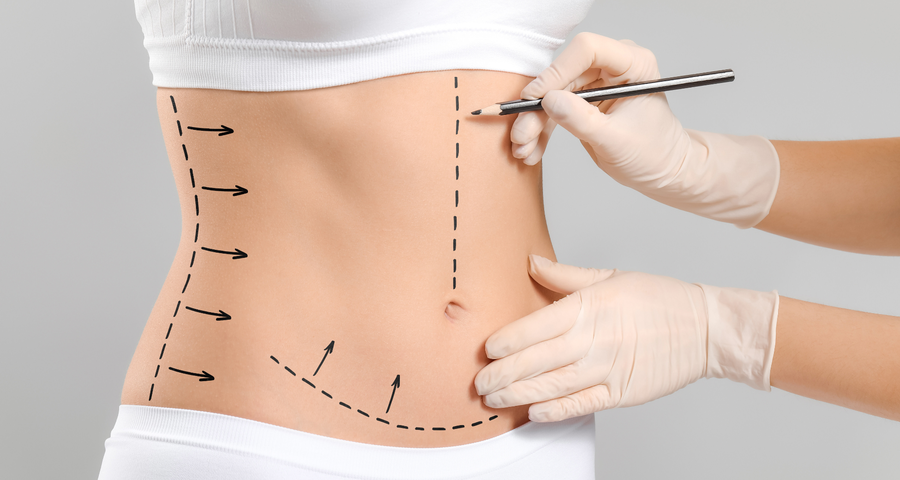
Liposuction is one of the most popular cosmetic procedures in Riyadh and across the world. It is a powerful body-contouring method that removes stubborn fat from targeted areas such as the abdomen, thighs, hips, arms, and chin. While liposuction can deliver impressive results, it is still a surgical procedure and carries certain risks and side effects. Understanding these potential complications helps you make an informed decision and prepares you for a safe recovery. Liposuction in Riyadh is a popular body-contouring procedure for people looking to remove stubborn fat and achieve a more sculpted appearance.
1. Common Side Effects After Liposuction
After liposuction, many patients experience normal side effects that are part of the healing process. These usually improve within a few weeks:
Swelling and Bruising
Swelling is the most common side effect and can last several weeks. Bruising is also normal, especially in the first few days. Both can be reduced with compression garments, proper rest, and following your surgeon’s advice.
Pain and Discomfort
Mild to moderate pain is expected after the procedure. Pain is usually manageable with prescribed medications. The discomfort is typically stronger in the first 48 hours and gradually improves.
Numbness or Tingling
Temporary numbness in the treated area is common. This occurs due to swelling or nerve irritation and usually improves over time. In rare cases, numbness can last longer.
Fluid Leakage
Some patients may experience fluid leakage from the incision sites during the first 24–48 hours. This is normal and part of the body’s healing process. Your surgeon will provide instructions on dressing changes and cleaning.
2. Risks Related to Anesthesia
Liposuction is often performed under general anesthesia or local anesthesia with sedation. While anesthesia is generally safe, it carries risks such as:
-
Allergic reactions
-
Breathing difficulties
-
Nausea or vomiting
-
Heart complications (rare)
The risk increases if you have a history of heart or lung problems, obesity, or other medical conditions. A thorough preoperative evaluation is essential to reduce these risks.
3. Surgical Risks and Complications
Although rare, liposuction may cause serious complications. Knowing these risks helps you recognize warning signs early:
Infection
Infection is uncommon when proper sterilization and care are followed, but it can occur. Signs include increasing redness, warmth, swelling, fever, or pus from incision sites. Immediate medical attention is necessary.
Bleeding and Hematoma
Bleeding during or after the procedure is rare but possible. A hematoma (collection of blood under the skin) may cause swelling and bruising. Severe bleeding requires urgent medical care.
Blood Clots (Deep Vein Thrombosis)
Blood clots can form in the legs after surgery, especially if you remain inactive. This can be dangerous if a clot travels to the lungs (pulmonary embolism). Early movement, compression garments, and following your surgeon’s advice reduce this risk.
Seroma (Fluid Accumulation)
A seroma is a buildup of fluid under the skin. It may feel like a soft swelling and can occur days or weeks after surgery. Your surgeon may need to drain the fluid.
Skin Irregularities and Contour Problems
Liposuction removes fat from specific areas, and if too much or uneven fat is removed, the skin may appear bumpy, wavy, or uneven. Poor skin elasticity can also cause loose or sagging skin after fat removal.
4. Long-Term Side Effects
Some side effects may appear later during recovery:
Skin Laxity and Loose Skin
If your skin does not contract well after fat removal, you may notice loose skin. This is more common in older patients or those with poor skin elasticity.
Permanent Scarring
Liposuction incisions are small, but scars may still form. Scarring is usually minimal and fades over time, but in some cases, it may be more visible.
Changes in Sensation
Some patients may experience long-term numbness, tingling, or altered sensation in treated areas. This is usually temporary but can be permanent in rare cases.
5. Risk Factors That Increase Complications
Certain factors can increase the risk of side effects:
-
Large amount of fat removed
-
Multiple areas treated in one session
-
Smoking or nicotine use
-
Obesity or high BMI
-
Medical conditions like diabetes or heart disease
-
Poor postoperative care or lack of follow-up
Your surgeon will evaluate your health and determine whether you are a good candidate for liposuction.
6. How to Minimize Risks
To reduce risks and improve outcomes:
-
Choose a certified and experienced surgeon
-
Follow all preoperative instructions
-
Stop smoking before surgery
-
Maintain a stable weight
-
Wear compression garments as advised
-
Attend all follow-up appointments
-
Report any unusual symptoms immediately
7. When to Seek Medical Help
Seek urgent medical care if you experience:
-
Severe pain not controlled by medication
-
High fever or chills
-
Heavy bleeding or increasing swelling
-
Chest pain or shortness of breath
-
Sudden severe leg pain or swelling
-
Signs of infection around incision sites

 English
 Arabic
 French
 Spanish
 Portuguese
 Deutsch
 Turkish
 Dutch
Dutch
 Italiano
 Russian
 Portuguese (Brazil)
 Greek
Greek