


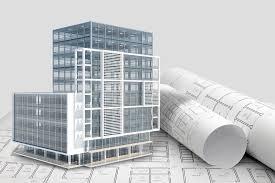
Building Information Modeling (BIM) has revolutionized the way the construction industry approaches design, construction, and operation of buildings. BIM engineer are at the forefront of this digital transformation, using advanced technology to create, manage, and optimize building designs. As the demand for BIM expertise grows, more professionals are looking to enter this field. But how does one become a successful BIM engineer?
In this blog, we’ll outline a step-by-step guide to becoming a skilled and successful BIM engineer. Whether you're just starting or looking to elevate your career in BIM, this guide will provide you with the necessary steps and resources to succeed. Plus, we’ll explain how YourBIMPartner can assist in your BIM journey, offering comprehensive services for both aspiring and established BIM professionals.
1. Understand the Role of a BIM Engineer
Before embarking on your path to becoming a BIM engineer, it’s crucial to understand what the role entails. A BIM engineer plays a central role in integrating building design and construction processes through the use of digital technologies. They work with architects, engineers, and construction professionals to create and manage digital representations of building systems, ensuring coordination and accuracy across all phases of a construction project.
As a BIM engineer, your duties will typically include:
-
Creating and managing BIM models: You’ll use BIM software like Revit, AutoCAD, and Navisworks to create 3D models of buildings, systems, and structures.
-
Clash detection and resolution: Identifying and resolving conflicts between different building systems (e.g., electrical, plumbing, structural) before construction begins.
-
Collaboration with project teams: BIM engineers work closely with architects, contractors, and other engineers to ensure all aspects of the design fit together smoothly.
-
Managing data and documentation: Ensuring the digital model is up to date and managing the flow of information between various project stakeholders.
Understanding the scope of your role is the first step in preparing for a career in BIM engineering.
2. Gain a Strong Foundation in Engineering and Architecture
BIM engineers typically come from backgrounds in civil engineering, architecture, or construction management. Having a solid foundation in one of these fields is crucial, as BIM relies heavily on technical knowledge of building systems, structural design, and construction processes. Whether you're pursuing a degree in architecture, engineering, or construction management, a strong understanding of these core principles is essential.
Key areas of knowledge include:
-
Structural engineering
-
Mechanical, electrical, and plumbing (MEP) systems
-
Construction project management
-
Materials and construction methods
If you are currently studying or planning to pursue a degree in one of these fields, try to focus on coursework that integrates technology with traditional construction principles.
3. Learn Industry-Standard BIM Software
The next step to becoming a successful BIM engineer is to master the software tools commonly used in the industry. BIM engineers need to be proficient in a variety of software platforms that allow for the creation, management, and coordination of BIM models. Some of the most widely used BIM tools include:
-
Revit: A leading BIM software used for building design and construction documentation. Revit allows you to create accurate 3D models of buildings, including architectural, structural, and MEP elements.
-
AutoCAD: A design and drafting software widely used in engineering and architecture. While AutoCAD is not as advanced as Revit in terms of BIM, it’s essential for creating 2D drawings and basic 3D models.
-
Navisworks: Used primarily for clash detection and 3D coordination. Navisworks allows teams to review and analyze complex 3D models for potential conflicts.
-
BIM 360: A cloud-based BIM collaboration platform used to manage project data, documentation, and team collaboration throughout the lifecycle of a building project.
By gaining proficiency in these software tools, you’ll be able to produce high-quality models and effectively contribute to the collaborative aspects of a construction project.
4. Develop a Strong Understanding of BIM Standards and Protocols
As the construction industry adopts BIM more broadly, various standards and protocols have been developed to ensure consistency, quality, and collaboration in BIM projects. Familiarizing yourself with these standards is essential for success in the field.
Some key BIM standards include:
-
ISO 19650: An international standard for BIM, outlining the process for managing information across the lifecycle of a building project.
-
National BIM Standard (NBIMS): In the United States, NBIMS provides guidelines for using BIM in a consistent and standardized way across various sectors of the construction industry.
-
Project BIM Execution Plans (BEP): These plans define how BIM will be used in specific projects, including protocols for data management, collaboration, and communication.
Understanding these standards will ensure that your work aligns with industry best practices and ensures your ability to work effectively within teams.
5. Gain Practical Experience with BIM Projects
Like any engineering discipline, the best way to learn is by doing. While studying the theory is crucial, you need hands-on experience to fully grasp the intricacies of BIM engineering. Internships, apprenticeships, and entry-level positions at construction firms or engineering consultancies can provide you with invaluable real-world experience.
During your practical experience, you will get the opportunity to:
-
Work on live projects with teams of architects, engineers, and contractors.
-
Use BIM software to create, update, and refine models based on real-time project data.
-
Participate in clash detection, project coordination, and communication between team members.
Look for opportunities to gain experience on construction projects of varying sizes, from small residential buildings to large-scale infrastructure projects, to build a broad skillset.
6. Develop Strong Communication and Collaboration Skills
BIM engineers are not isolated workers – they are part of a broader project team. Strong communication and collaboration skills are essential to ensure that all teams are aligned and working with the same digital model. BIM engineers must be able to convey technical information clearly and work with people from diverse backgrounds and expertise.
Key soft skills to develop include:
-
Effective communication: The ability to explain complex technical information to non-experts and collaborate effectively with architects, engineers, contractors, and clients.
-
Teamwork: BIM engineers often work on large, cross-disciplinary teams, so the ability to collaborate and problem-solve with others is critical.
-
Adaptability: Construction projects are dynamic, and being able to adapt to changes and resolve issues on the fly is an important trait for a successful BIM engineer.
7. Stay Updated with Industry Trends and Innovations
The BIM field is constantly evolving, with new technologies, software tools, and industry standards being introduced regularly. As a BIM engineer, it’s essential to stay updated with the latest trends and innovations in the field.
Here’s how you can continue your professional development:
-
Attend workshops and webinars: Many professional organizations and software providers offer workshops and training sessions to help you stay current.
-
Join professional associations: Organizations like the BuildingSMART Alliance and International BIM Council offer resources, events, and networking opportunities for BIM professionals.
-
Participate in online courses: Many platforms, such as LinkedIn Learning, Coursera, and Udemy, offer courses on advanced BIM topics, software tools, and industry trends.
8. How YourBIMPartner Can Help You Become a Successful BIM Engineer
At YourBIMPartner, we specialize in providing high-quality BIM engineering services for construction companies, project managers, and BIM professionals. Whether you’re starting your career as a BIM engineer or are looking to enhance your skills, we offer comprehensive support and training in BIM practices.
Our services include:
-
BIM model creation and management: Our experienced BIM engineers help you create detailed, accurate BIM models that streamline the construction process.
-
BIM training and consulting: We offer training programs tailored to your specific needs, ensuring you’re equipped with the latest BIM skills and software knowledge.
-
Clash detection and project coordination: Our team assists with real-time clash detection and project coordination, ensuring smooth collaboration and timely project delivery.
-
BIM implementation and support: We help construction firms and professionals implement BIM strategies that align with their project needs and business objectives.
If you’re looking to take your career to the next level or implement BIM engineering in your construction projects, YourBIMPartner is here to help.
Conclusion
Becoming a successful BIM engineer requires a combination of technical knowledge, practical experience, and soft skills. By following the steps outlined in this guide, you can set yourself up for success in this rapidly growing and highly rewarding field. BIM is transforming the construction industry, and with the right skills and expertise, you can be at the forefront of this revolution.
At YourBIMPartner, we are committed to helping you become a successful BIM engineer by providing the tools, training, and support you need to thrive in this exciting field. Contact us today to learn how we can assist you in your BIM journey and elevate your projects to new heights.

 English
 Arabic
 French
 Spanish
 Portuguese
 Deutsch
 Turkish
 Italiano
 Russian
 Romaian
 Portuguese (Brazil)
 Greek
Greek