


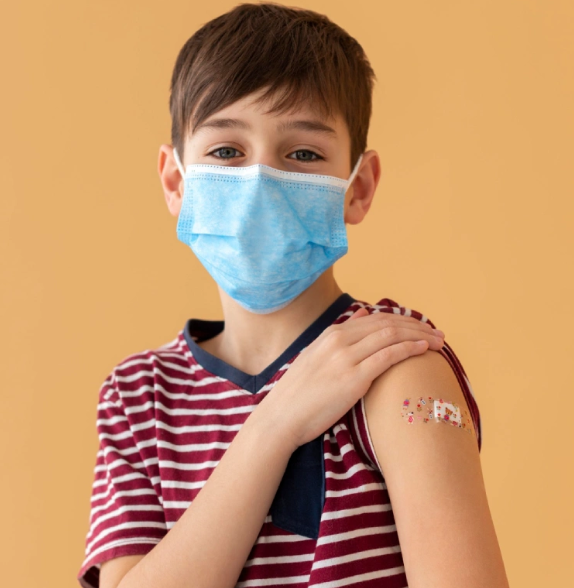
For parents in South Florida, distinguishing between a food reaction and a seasonal flare-up can be difficult. Does your child have a "spring cold," or did they react to something in their lunch? Because symptoms like skin rashes and respiratory distress can overlap, professional child allergy testing is essential to isolate the true cause.
At Suramed Health Center, we provide comprehensive diagnostic tools to help you differentiate between these two types of allergies, ensuring your child receives the targeted treatment they need to thrive.
1. Understanding the Difference: Food vs. Environmental
While both involve an overreaction of the immune system, the triggers and timing often differ:
Environmental Allergies: Typically triggered by airborne particles like pollen, dust mites, mold, or pet dander. Symptoms often include sneezing, watery eyes, and chronic congestion.
Food Allergies: Triggered by proteins in foods like milk, eggs, peanuts, or shellfish. Symptoms can be immediate (hives, swelling) or delayed (digestive upset, eczema flare-ups).
Identifying the "pathway" of the allergy—whether inhaled or ingested—is the first priority during a consultation at Suramed Health Center.
2. Skin Prick Testing: The Versatile First Step
The child allergy test most commonly used for both food and environmental triggers is the skin prick (or puncture) test.
For Environmental: We test for local Florida allergens like oak pollen and ragweed.
For Food: We use liquid extracts of common allergens.
The Result: Within 15 to 20 minutes, a small "wheal" (raised bump) will indicate which substances your child's immune system is reacting to.
3. Blood Testing (IgE): Deep-Dive Diagnostics
When skin testing isn't an option—perhaps due to a severe skin condition like eczema—we utilize Specific IgE Blood Testing. This is particularly effective for:
Food Allergies: Quantifying the level of antibodies to specific proteins (like the protein in cow's milk vs. soy).
Year-Round Irritants: Checking for high sensitivity to indoor mold or dust mites that don't fluctuate with the seasons.
At Suramed Health Center, our on-site laboratory allows us to process these blood panels quickly, reducing the stress of a long wait for results.
4. Specialized Tests: Patch Testing and Oral Challenges
Depending on the suspected allergy, we may recommend more specialized options:
Patch Testing: Best for "delayed" environmental or contact allergies, such as a reaction to a new laundry detergent or a metal button.
Oral Food Challenge: The gold standard for confirming if a child has outgrown a food allergy. This is always performed under strict medical supervision in our clinic.
5. Navigating Child Allergy Test Cost
Understanding the financial aspect of care is important for every family. In 2026, child allergy test cost generally falls into these brackets:
Basic Environmental Panel: $150 – $350.
Comprehensive Food & Environmental Screen: $400 – $900.
Follow-up Management: Often covered as standard pediatric visits.
Suramed Health Center accepts most major insurance plans and offers transparent "cash-pay" options for families without coverage, ensuring that high-quality diagnostics remain affordable.
6. Creating a Holistic Management Plan
A diagnosis is only the first step. Once we know if the trigger is food or environmental, our board-certified pediatricians, such as Dr. Alfonso Henriquez, develop a personalized plan:
For Food: Guidance on label reading, cross-contamination, and emergency epinephrine use.
For Environmental: Options for Asthma Therapy or allergen immunotherapy (allergy shots) to desensitize the immune system over time.
Conclusion: Getting the Answers Your Child Needs
Whether it’s the pollen in the Florida air or a hidden ingredient in a snack, you shouldn't have to guess what is making your child uncomfortable. Professional child allergy testing provides the data needed to protect your child’s health and improve their quality of life. With multiple locations in West Palm Beach, Wellington, and Boca Raton, Suramed Health Center is your local partner for expert pediatric allergy care.

 English
 Arabic
 French
 Spanish
 Portuguese
 Deutsch
 Turkish
 Dutch
Dutch
 Italiano
 Russian
 Romaian
 Portuguese (Brazil)