


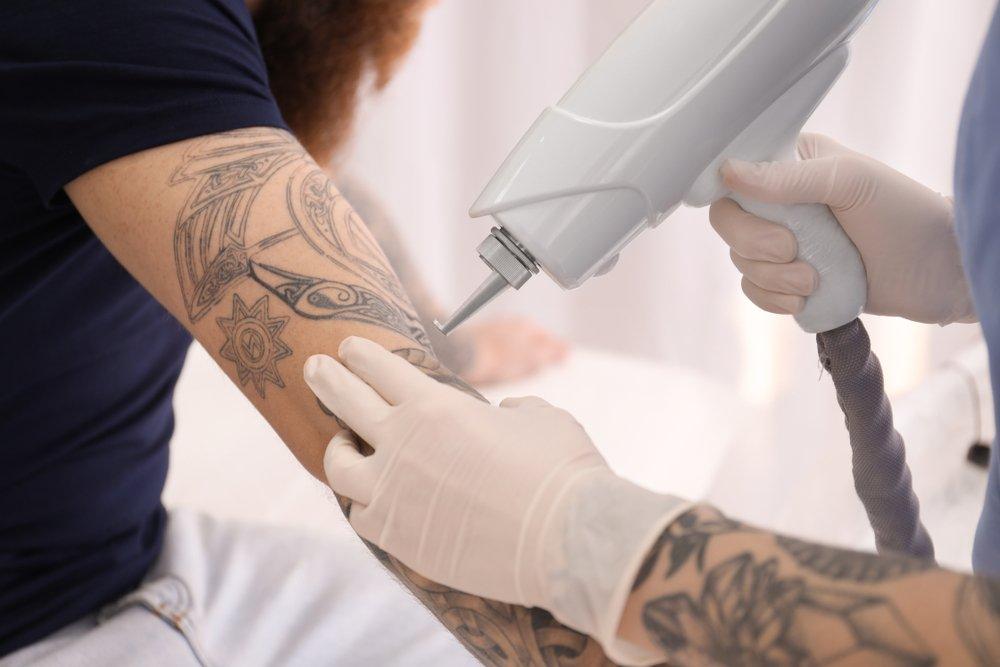
Tattoo removal is a medical procedure that can cause discomfort. While many people expect it to be painful, the good news is that there are several effective ways to reduce pain during tattoo removal, especially when you choose professional clinics in Riyadh. The most common method for permanent tattoo removal is laser treatment, and the pain level varies depending on the size, location, ink color, and your pain tolerance. This guide explains how to reduce pain during the process, what to expect, and how to prepare for a comfortable experience. Permanent tattoo removal in Riyadh has become increasingly popular as more people seek safe and effective ways to erase unwanted ink.
Understanding Pain During Tattoo Removal
Laser tattoo removal works by using light energy to break ink particles in the skin. The sensation is often compared to snapping a rubber band against the skin or a hot prickling feeling. The pain is usually brief during each pulse, but the overall treatment can be uncomfortable, especially for larger tattoos or sensitive areas like the ribs, ankles, or inner arms.
The pain level can also depend on the type of laser used. Modern laser systems, especially pico lasers, often cause less pain because they use shorter pulses and create less heat. However, pain varies from person to person.
1. Choose the Right Clinic and Laser System
One of the most important ways to reduce pain is to choose a reputable clinic with modern laser machines and trained professionals. In Riyadh, clinics that use advanced lasers provide better control over the energy settings and deliver more efficient treatments with less discomfort.
Experienced technicians also know how to adjust the laser settings based on your skin type and tattoo characteristics, which helps reduce unnecessary pain and minimize side effects.
2. Use Topical Numbing Cream
Topical numbing creams are commonly used to reduce pain during laser tattoo removal. These creams contain ingredients that numb the skin and make the treatment more comfortable. The numbing cream is applied before the session and left on for a specified time to take effect.
How It Helps
-
Reduces the sensation of burning or stinging
-
Helps you stay calm during the procedure
-
Makes the session more tolerable for larger tattoos
What to Expect
Numbing creams do not completely eliminate pain, but they significantly reduce it. Some clinics may also combine numbing creams with cooling devices to enhance comfort.
3. Cooling Devices and Cold Air Systems
Cooling systems are commonly used during laser tattoo removal to reduce pain. These devices blow cold air or apply cooling gels to the skin before and after each laser pulse. Cooling helps reduce heat and discomfort and also protects the skin from excessive damage.
Benefits of Cooling
-
Reduces pain and burning sensation
-
Lowers the risk of swelling and blistering
-
Makes the treatment more comfortable for sensitive areas
Many modern clinics in Riyadh use cooling systems as a standard part of laser tattoo removal.
4. Pain Management Options During Treatment
Some clinics offer additional pain management options depending on your comfort level. These may include:
A. Local Anesthesia
For larger tattoos or very sensitive areas, local anesthesia can be used. This involves injecting a numbing agent into the skin around the tattoo. It provides strong pain relief but may not be suitable for everyone. The specialist will evaluate your case and discuss this option if needed.
B. Oral Pain Relievers
You can take mild pain relievers like acetaminophen before the session, but avoid blood-thinning medications like aspirin or ibuprofen unless your doctor approves. These can increase the risk of bruising and bleeding. Always consult your specialist before taking any medication.
C. Breaks During Treatment
If the tattoo is large, the technician may take short breaks during the session. This allows your skin to cool down and reduces discomfort. It also helps you feel more comfortable and relaxed during the process.
5. Prepare Your Body Before the Session
Your physical condition before the session affects pain tolerance. Follow these steps to reduce pain during tattoo removal:
-
Avoid alcohol and smoking for at least 24 hours before treatment, as they can increase sensitivity and slow healing.
-
Stay hydrated and eat a healthy meal before your appointment to maintain energy.
-
Get enough sleep the night before, as fatigue can increase pain sensitivity.
-
Avoid sun exposure and tanning, as sunburned skin is more sensitive and may increase pain.
6. Aftercare to Reduce Post-Treatment Pain
Pain does not end after the session. Proper aftercare can reduce discomfort during healing:
-
Apply prescribed ointment or moisturizer to soothe the area.
-
Use cold compresses for swelling and pain.
-
Avoid scratching or picking at the treated area.
-
Avoid sun exposure and keep the area covered or protected.
-
Avoid swimming or heavy sweating for a few days.
Following aftercare instructions helps reduce pain, prevent infection, and speed up healing.
Final Thoughts
Tattoo removal can be uncomfortable, but the pain is manageable when you choose the right clinic and follow proper preparation and aftercare steps. In Riyadh, professional clinics use advanced laser systems, cooling devices, and numbing options to ensure a comfortable experience. The key is to communicate openly with your specialist, choose a reputable clinic, and follow all instructions carefully. With the right approach, tattoo removal can be safe, effective, and as pain-free as possible.

 English
 Arabic
 French
 Spanish
 Portuguese
 Deutsch
 Turkish
 Dutch
Dutch
 Italiano
 Romaian
 Portuguese (Brazil)
 Greek
Greek