


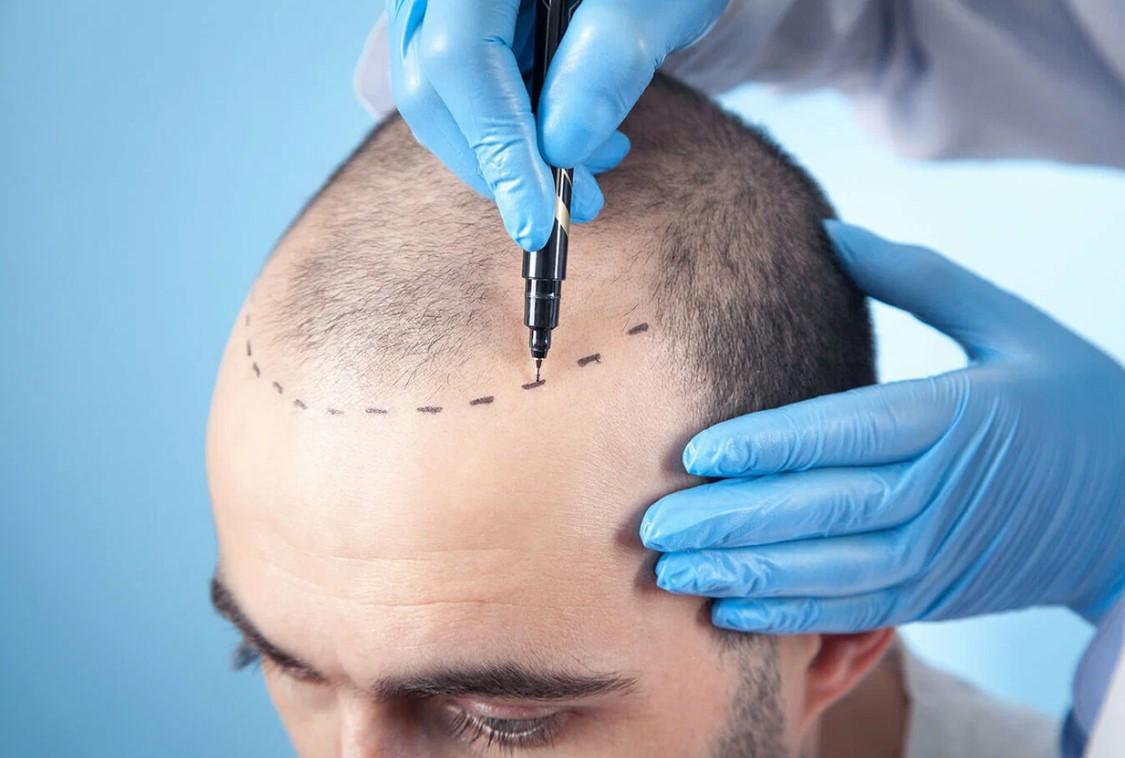
Undergoing a hair transplant in Dammam is an important decision, and knowing what to expect during recovery can make the process smoother and more comfortable. Whether you choose FUE or FUT, proper aftercare and patience are essential for achieving natural-looking results. Below is a detailed recovery timeline and aftercare guide tailored to hair transplant patients in Dammam, helping you understand the stages of healing and how to support your new hair growth. Hair transplant in Dammam is becoming increasingly popular for those seeking natural and long-lasting hair restoration results.
Immediate Post-Surgery (Day 1–3)
The first few days after your hair transplant are crucial for protecting the grafts and minimizing swelling. You will likely feel mild discomfort and tightness in both the donor and recipient areas. It is normal to experience some swelling on the forehead and around the eyes, especially if you had a larger session.
What to expect:
-
Mild pain and soreness
-
Swelling around the forehead and eyes
-
Tiny scabs forming around grafts
-
Tingling or numbness in the donor area
Aftercare tips:
-
Sleep with your head elevated using pillows to reduce swelling.
-
Avoid touching or scratching the transplanted area.
-
Do not wash your hair unless your clinic gives you specific instructions (usually after 48–72 hours).
-
Take prescribed medications such as antibiotics, painkillers, or anti-inflammatory drugs.
Early Healing (Week 1)
During the first week, the transplanted grafts begin to settle into the scalp. The tiny scabs formed around the hair follicles will start to harden and then fall off naturally. It’s important not to pick at them to avoid dislodging grafts.
What to expect:
-
Scabs and crusts on the transplanted area
-
Mild itching
-
Swelling gradually decreases
-
Some redness may remain
Aftercare tips:
-
Gentle hair washing is usually allowed by this time, but follow your clinic’s method carefully.
-
Use a mild shampoo and avoid strong rubbing or massaging.
-
Avoid direct sunlight and wear a loose cap if needed.
-
Avoid strenuous exercise and heavy lifting.
Shedding Phase (Weeks 2–4)
Around 2–4 weeks after the procedure, many patients notice the transplanted hair falling out. This is a normal part of the process known as “shock loss.” It may seem concerning, but the follicles remain healthy and will begin producing new hair in the coming months.
What to expect:
-
Shedding of transplanted hair
-
Reduced swelling and discomfort
-
Hairline may look thinner temporarily
Aftercare tips:
-
Continue gentle washing and avoid harsh products.
-
Stay hydrated and maintain a balanced diet to support healing.
-
Avoid smoking and alcohol as they can slow recovery.
-
Avoid saunas, steam rooms, and swimming pools until your doctor approves.
Early Growth Phase (Months 2–4)
After the shedding phase, the follicles enter a resting period before new hair begins to grow. Many patients start noticing fine, thin hair growth around 2–3 months after surgery. The hair will gradually thicken and become more noticeable over time.
What to expect:
-
Light, thin hair growth
-
Scalp may still feel slightly sensitive
-
Improving hair density
Aftercare tips:
-
Use gentle hair products and avoid harsh chemicals.
-
Follow your doctor’s advice on supplements such as biotin or multivitamins if recommended.
-
Avoid aggressive styling such as tight ponytails or heavy gel.
-
Protect your scalp from sun exposure with a hat.
Visible Improvement Phase (Months 5–8)
Between months 5 and 8, most patients experience significant visible improvement. Hair becomes thicker, and the transplanted area starts to blend naturally with existing hair. This is the phase where you can feel more confident and notice the true benefits of the procedure.
What to expect:
-
Noticeable hair growth
-
Increased density
-
More natural hairline appearance
Aftercare tips:
-
Continue a healthy lifestyle including proper nutrition and exercise.
-
Follow up with your surgeon to monitor progress.
-
Consider PRP or other supportive treatments if recommended by your doctor.
Final Results (Months 9–12+)
Most patients achieve their final results within 9 to 12 months after the transplant. Hair continues to mature, becoming thicker, stronger, and more natural-looking. At this stage, you can fully evaluate the success of your procedure and enjoy long-lasting results.
What to expect:
-
Full hair density
-
Natural texture and growth pattern
-
Permanent results
Aftercare tips:
-
Maintain a regular hair care routine
-
Keep regular follow-up appointments
-
Avoid excessive stress and maintain healthy habits
General Aftercare Recommendations for Dammam Climate
Dammam’s hot and humid climate can affect healing after a hair transplant. Here are some specific tips to help you recover comfortably:
-
Avoid direct sun exposure, especially during peak hours.
-
Use a loose hat or scarf when outdoors.
-
Keep the scalp clean and dry to prevent infection.
-
Avoid sweating heavily for at least two weeks.
-
Stay hydrated and maintain a balanced diet rich in protein and vitamins.
Final Advice
Hair transplant recovery in Dammam requires patience, discipline, and proper aftercare. Following your surgeon’s instructions and taking good care of your scalp will ensure a smooth healing process and optimal results. Remember that every patient’s recovery may vary, but with the right guidance and support, you can achieve natural, long-lasting hair restoration.

 Arabic
 French
 Spanish
 Portuguese
 Deutsch
 Turkish
 Dutch
Dutch
 Italiano
 Russian
 Romaian
 Portuguese (Brazil)
 Greek
Greek