


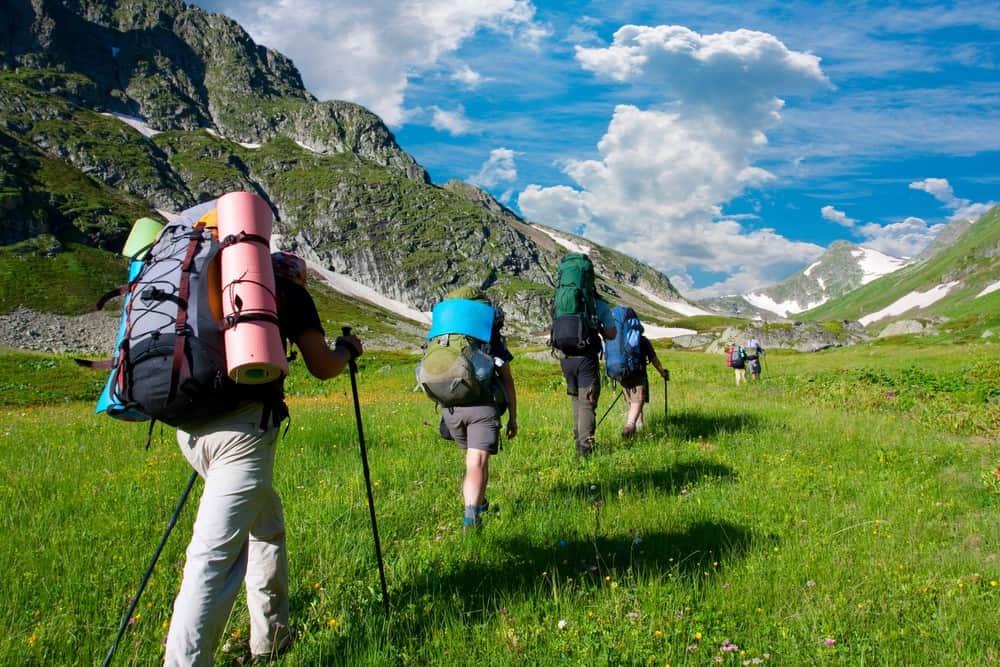
Sikkim, nestled in the Eastern Himalayas, is one of India’s most enchanting trekking destinations. With snow-clad peaks, alpine meadows, glacial lakes, and Buddhist monasteries, trekking in Sikkim offers a perfect blend of adventure, culture, and natural beauty. Whether you are a beginner seeking short scenic trails or an experienced trekker looking for challenging expeditions, Sikkim has something for everyone.
Why Choose Sikkim for Trekking?
-
Diverse Terrain: From subtropical forests to high-altitude glaciers.
-
Cultural Immersion: Trails pass through Buddhist monasteries and traditional villages.
-
Adventure: High passes, river crossings, and camping under starry skies.
-
Scenic Beauty: Panoramic views of Kanchenjunga, the third-highest peak in the world.
-
Spiritual Significance: Many treks lead to sacred lakes and monasteries.
Famous Treks in Sikkim
1. Goecha La Trek
-
Altitude: 16,200 ft.
-
Duration: 8–10 days.
-
Highlights: Stunning views of Kanchenjunga, Samiti Lake, and rhododendron forests.
-
Best For: Experienced trekkers seeking high-altitude adventure.
2. Dzongri Trek
-
Altitude: 13,675 ft.
-
Duration: 5–6 days.
-
Highlights: Panoramic views of Kanchenjunga, Pandim, and Kabru peaks.
-
Best For: Moderate trekkers and photographers.
3. Kanchenjunga Base Camp Trek
-
Altitude: 16,900 ft.
-
Duration: 10–12 days.
-
Highlights: Close-up views of Kanchenjunga, cultural immersion in Yuksom.
-
Best For: Advanced trekkers.
4. Singalila Ridge Trek
-
Altitude: 12,000 ft.
-
Duration: 7–8 days.
-
Highlights: Views of Everest, Kanchenjunga, and Makalu.
-
Best For: Nature lovers and photographers.
5. Green Lake Trek
-
Altitude: 16,000 ft.
-
Duration: 10–12 days.
-
Highlights: Remote trek offering pristine views of Kanchenjunga.
-
Best For: Experienced trekkers seeking solitude.
6. Tholung Trek
-
Altitude: 8,000 ft.
-
Duration: 4–5 days.
-
Highlights: Tholung Monastery, rich biodiversity.
-
Best For: Beginners and cultural explorers.
7. Sandakphu Trek (West Bengal–Sikkim border)
-
Altitude: 11,930 ft.
-
Duration: 6–7 days.
-
Highlights: Views of the “Sleeping Buddha” formation of peaks.
-
Best For: Beginners and families.
8. Yuksom to Dzongri Trek
-
Altitude: 13,675 ft.
-
Duration: 5–6 days.
-
Highlights: Dense forests, alpine meadows, and mountain views.
-
Best For: Moderate trekkers.
9. Singalila–Dzongri Trek
-
Altitude: 14,000 ft.
-
Duration: 8–9 days.
-
Highlights: Combination of Singalila Ridge and Dzongri trails.
-
Best For: Experienced trekkers.
10. Tendong Hill Trek
-
Altitude: 8,530 ft.
-
Duration: 1–2 days.
-
Highlights: Short trek with panoramic views of Sikkim.
-
Best For: Beginners and weekend travelers.
Seasonal Guide for Trekking in Sikkim
-
Spring (March–May): Best for rhododendron blooms and moderate treks.
-
Summer (June–August): Warm weather, but monsoon rains may affect trails.
-
Autumn (September–November): Clear skies, ideal for high-altitude treks.
-
Winter (December–February): Snow treks possible, but limited accessibility.
Activities During Trekking in Sikkim
-
Camping: Overnight stays in alpine meadows.
-
Wildlife Spotting: Himalayan monals, red pandas, and rare orchids.
-
Cultural Tours: Interactions with villagers and visits to monasteries.
-
Photography: Landscapes, starry skies, and cultural life.
-
Spiritual Visits: Sacred lakes and monasteries along trails.
Sample 12-Day Itinerary (Goecha La Trek)
Day 1: Arrival in Yuksom, acclimatization.
Day 2: Trek to Sachen campsite.
Day 3: Trek to Tshoka village.
Day 4: Trek to Dzongri.
Day 5: Acclimatization at Dzongri, explore viewpoints.
Day 6: Trek to Thansing.
Day 7: Trek to Lamuney campsite.
Day 8: Trek to Goecha La viewpoint, return to Lamuney.
Day 9: Trek back to Thansing.
Day 10: Trek to Tshoka.
Day 11: Trek to Yuksom.
Day 12: Departure.
Travel Tips
-
Carry proper gear: trekking shoes, warm clothes, rain protection.
-
Acclimatize at high altitudes to avoid AMS (Acute Mountain Sickness).
-
Respect local traditions and monasteries.
-
Book treks with certified organizations for safety.
-
Avoid plastic and support sustainable practices.
Risks and Considerations
-
Altitude Sickness: Common in treks above 10,000 ft.
-
Weather: Sudden changes can affect trekking plans.
-
Wildlife: Maintain safe distance from animals.
-
Fitness: Choose treks suitable for your stamina and health.
Why Sikkim Stands Out
-
Variety: From easy treks to challenging expeditions.
-
Culture: Blend of adventure and Tibetan-Buddhist traditions.
-
Accessibility: Well-connected base towns like Gangtok and Yuksom.
-
Eco-Friendly: Many treks promote conservation and sustainability.
Conclusion
Trekking in Sikkim is more than just an adventure—it’s a journey into diverse landscapes, cultures, and spiritual experiences. From the flower-filled valleys of Dzongri to the glaciers of Kanchenjunga and the monasteries of Tholung, the trekking trails in Sikkim promise unforgettable memories.
So, pack your gear, choose your trail, and embark on a trek that connects you with nature and yourself.

 English
 Arabic
 Spanish
 Portuguese
 Deutsch
 Turkish
 Dutch
Dutch
 Italiano
 Russian
 Romaian
 Portuguese (Brazil)
 Greek
Greek