


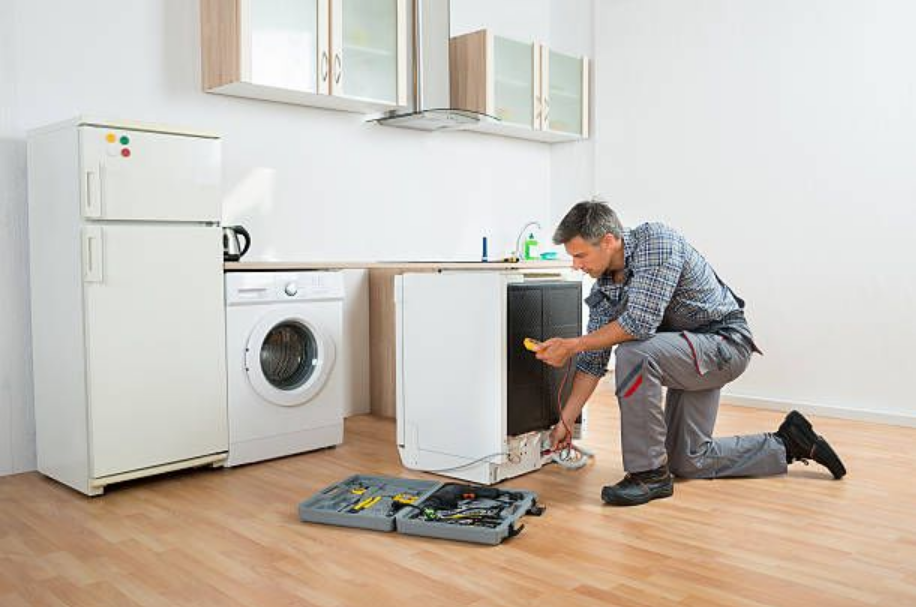
If you are noticing that your laundry room feels like a sauna or your towels are still damp after an hour of tumbling, you are likely dealing with a classic South Florida headache. For many residents, the need for professional dryer repair in Pompano Beach, FL starts not with a mechanical broken part, but with a hidden buildup of lint and debris. In a tropical climate where humidity is high, a blocked vent doesn't just slow down your chores; it strains your entire appliance and creates a genuine safety risk.
The Hidden Danger of Lint Accumulation
Most homeowners believe that cleaning the lint trap after every load is enough to keep their system clear. However, the lint trap only catches about 70% of the fibers released from your clothes. The remaining 30% travels into the internal ductwork.
In Florida’s moist environment, this lint often mixes with humid air to form a thick, paste-like substance that clings to the walls of your pipes. This leads to restricted airflow, which is the leading cause of dryer fires and heating element burnout. Understanding the mechanics of laundry room ventilation is the first step toward preventing a costly breakdown.
Signs Your Dryer Vent is Clogged
Recognizing the warning signs early can save you from an expensive heating element replacement or a house fire. Watch out for these red flags:
-
Excessive Heat: If the top of your dryer is hot to the touch or your clothes come out with metal zippers that are too hot to handle, the heat isn't escaping the house.
-
Musty Odors: When moisture gets trapped in a lint-clogged vent, it can grow mold or mildew, leading to a foul smell on your "clean" clothes.
-
Long Cycle Times: If a standard load takes more than 45 minutes to dry, your dryer exhaust system is likely compromised.
-
The Flap Doesn't Open: Check the vent exit on the exterior of your home while the dryer is running. If the louvers aren't blowing open strongly, you have a blockage.
Why South Florida Homes Are Uniquely Affected
The architecture and climate of Pompano Beach and the surrounding areas contribute to unique appliance maintenance challenges. Many Florida homes are built on concrete slabs with dryers located in the center of the house. This requires long, winding vent runs that go up through the attic or under the floor.
Longer vents have more "elbows" or turns. Every turn is a spot where lint can collect. Additionally, small pests like lizards, wasps, and birds often find these warm vents to be the perfect place for a nest, completely sealing off the air path. When the air can't move, the thermal fuse often blows, shutting down the machine entirely to prevent a fire.
The Cost of Neglect: Energy and Efficiency
A clogged vent is a silent thief of your household budget. When a dryer has to run for two cycles instead of one, your utility bills skyrocket. Furthermore, the constant heat buildup causes the motor to work harder, leading to drum belt wear and bearing failure.
If you find yourself stuck with a pile of wet clothes, Pozharko Appliance Repair specializes in diagnosing whether your issue is a simple blockage or a mechanical failure. Often, a professional dryer duct cleaning combined with a quick tune-up can restore your machine to factory-level performance, saving you hundreds of dollars in energy costs over the year.
Professional Maintenance vs. DIY
While homeowners can easily clean the lint screen, deep-cleaning the internal ducts requires specialized brushes and high-pressure vacuums. Attempting to "snake" a vent with the wrong tools can actually puncture the foil lining or disconnect the pipe behind the wall, leading to even more dangerous ventilation leaks.
For a reliable dryer repair in Pompano Beach, FL, it is always best to have a technician inspect the internal components. They can check the igniter status (for gas dryers) or the high-limit thermostat (for electric dryers) to ensure that the blockage hasn't already caused permanent damage to the machine's electrical system.
Quick Checklist for a Healthy Dryer
To maximize the lifespan of your appliance, keep these dryer care tips in mind:
-
Use Rigid Metal Ducting: Avoid flexible plastic or thin foil hoses, as they sag and trap lint more easily.
-
Monitor the Exterior Vent: Ensure no bushes or landscaping are blocking the exit point of the air.
-
Check for "Kinks": Ensure the machine isn't pushed too far back against the wall, crushing the transition hose.
-
Schedule Annual Inspections: Even if the machine seems to be working, a yearly check can prevent a mid-summer breakdown.
Conclusion
A dryer that takes forever to dry isn't just an inconvenience; it’s a cry for help from your appliance. By addressing airflow restrictions and ensuring your vent system is clear, you protect your home, your clothes, and your wallet. Whether it's a simple cleaning or a complex mechanical fix, staying proactive is the key to mastering the Florida laundry struggle.

 English
 Arabic
 Spanish
 Portuguese
 Deutsch
 Turkish
 Dutch
Dutch
 Italiano
 Russian
 Romaian
 Portuguese (Brazil)
 Greek
Greek