


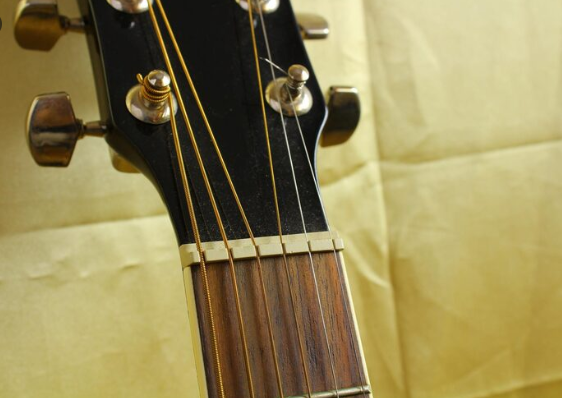
For guitar enthusiasts, whether beginner or seasoned professional, the design and style of an instrument can be just as important as its sound. Among the most sought-after designs in the modern guitar world is the cutaway acoustic electric guitar, especially when combined with the elegance of the Florentine cutaway. This style not only enhances playability but also offers aesthetic appeal, making it a favorite choice among performing musicians.
What is a Cutaway Acoustic Electric Guitar?
A cutaway acoustic electric guitar is a hybrid instrument that combines the natural, resonant tones of an acoustic guitar with the amplification capabilities of an electric guitar. The “cutaway” refers to a portion of the guitar’s body that is “cut away” near the neck. This design allows musicians to reach the higher frets more easily, facilitating advanced playing techniques, intricate solos, and complex chord progressions that might be difficult on a traditional acoustic guitar.
Cutaway guitars are especially popular among live performers and studio musicians. The addition of electronics—pickups and preamps—enables the guitar to connect to amplifiers or recording equipment, allowing for a versatile range of sounds that can suit genres from folk and country to rock and jazz.
The Importance of a Cutaway
While the primary function of the cutaway is playability, it also influences the guitar’s tonal characteristics. Generally, a cutaway slightly reduces the resonance of the lower body compared to a full-bodied acoustic guitar. However, for many musicians, the trade-off is worth it for the ability to navigate the upper frets with ease.
There are two primary types of cutaways found on acoustic electric guitars: the Venetian cutaway and the Florentine cutaway. Each has its distinct shape, aesthetic, and playability advantages.
What is a Florentine Cutaway?
The Florentine cutaway is a sharp, pointed cutaway that creates a visually striking contour on the guitar body. Unlike the Venetian cutaway, which has a smooth, rounded curve, the Florentine cutaway is angular and dramatic, often giving the guitar a more aggressive or modern appearance. The name “Florentine” is inspired by the Italian city of Florence, reflecting the elegance and artistry associated with Italian design.
From a practical perspective, the Florentine cutaway allows for greater access to the upper frets, similar to the Venetian style. However, its sharper contour can make it slightly easier to reach higher positions while playing lead lines or solos. This design is often favored by performers who prioritize both aesthetics and functionality, especially those who incorporate intricate fingerstyle or fast soloing techniques into their performances.
Advantages of a Cutaway Acoustic Electric Guitar
- Enhanced Playability: The primary benefit of a cutaway is the ease of access to the upper frets. This is crucial for advanced players, lead guitarists, and fingerstyle performers.
- Versatility in Performance: Combining acoustic resonance with electric amplification, a cutaway acoustic electric guitar can easily transition between unplugged practice sessions and live performances without losing tonal quality.
- Aesthetic Appeal: The Florentine cutaway, in particular, adds a sleek, sophisticated look to the guitar, making it not just an instrument but also a visual statement on stage.
- Recording Flexibility: With built-in electronics, these guitars can be plugged directly into recording equipment or PA systems, providing consistent tone without the need for external microphones.
- Comfort: The ergonomic design of cutaway guitars often makes them easier to hold and play for extended periods, especially in seated positions.
Choosing Between Florentine and Venetian Cutaways
When selecting a cutaway acoustic electric guitar, understanding the difference between Florentine and Venetian cutaways is key.
- Florentine Cutaway: Sharp, pointed, visually dramatic. Ideal for performers who want a bold look and precise upper-fret access. Commonly found on high-end and performance-oriented models.
- Venetian Cutaway: Rounded, smooth, and subtle. Offers similar playability but with a softer aesthetic, often preferred by traditional or folk-style players.
Both designs serve the functional purpose of improving upper-fret access, but the choice often comes down to personal style and the visual statement the musician wants to make.
Popular Materials and Electronics
Cutaway acoustic electric guitars are crafted from a variety of tonewoods, each contributing to the instrument’s sound:
- Spruce Tops: Known for clarity and brightness.
- Mahogany or Rosewood Back and Sides: Provide warmth and richness.
- Maple: Often used for a brighter, more articulate sound.
On the electronics side, modern cutaway acoustic electric guitars feature built-in pickups and preamps. Some come with onboard tuners, EQ controls, and volume adjustments, offering musicians complete control over their sound on stage or in the studio.
Who Should Consider a Cutaway Acoustic Electric Guitar?
The cutaway acoustic electric guitar is ideal for:
- Performing Musicians: Those who require both acoustic tone and amplified sound in live performances.
- Recording Artists: Musicians who need consistent sound quality without relying solely on microphones.
- Advanced Players: Guitarists who frequently play solos, higher fret positions, or complex fingerstyle arrangements.
- Aesthetic-Conscious Musicians: Players who value the visual elegance of the Florentine cutaway.
Even beginners may find cutaway guitars appealing, especially if they are planning to explore advanced techniques early in their playing journey.
Iconic Examples and Brands
Several brands have become synonymous with high-quality cutaway acoustic electric guitars, often featuring Florentine cutaways in their designs:
- Taylor Guitars: Known for their sleek Florentine cutaways and clear, balanced sound.
- Gibson Acoustic: Offers a variety of models with Florentine cutaways that blend traditional tone with modern playability.
- Takamine: Recognized for performance-ready electronics and Florentine cutaway designs.
- Yamaha: Affordable options with reliable electronics and smooth Florentine cutaway access.
Each brand brings its unique approach to construction, electronics, and aesthetics, ensuring there is a cutaway acoustic electric guitar for every style and budget.
Maintaining Your Cutaway Acoustic Electric Guitar
Like all high-quality instruments, proper maintenance is crucial to preserve both sound and appearance. Key tips include:
- Regular Cleaning: Wipe down strings, body, and electronics after each use.
- Humidity Control: Acoustic guitars are sensitive to changes in humidity; use a humidifier when necessary.
- String Replacement: Replace strings regularly to maintain optimal tone and playability.
- Electronics Check: Ensure pickups and preamps are functioning correctly; replace batteries if applicable.
Proper care ensures that your cutaway acoustic electric guitar continues to perform well and retains its elegant Florentine aesthetics for years to come.
Conclusion
The cutaway acoustic electric guitar, especially with a Florentine cutaway, represents the perfect marriage of form and function. With enhanced playability, aesthetic appeal, and versatility, it meets the demands of modern musicians who want both exceptional sound and striking visual presence. Whether you are a performer, recording artist, or passionate hobbyist, exploring the world of Florentine cutaway guitars can open new doors to musical expression and technical mastery.
For anyone looking to combine elegance, comfort, and versatility in one instrument, the Florentine cutaway acoustic electric guitar is undoubtedly a choice worth considering. Its sharp, sophisticated design not only facilitates higher fret access but also adds a professional and stylish look that commands attention on stage. Investing in such a guitar is not just about sound—it’s about an entire playing experience that merges artistry, functionality, and inspiration.

 Arabic
 French
 Spanish
 Portuguese
 Deutsch
 Turkish
 Dutch
Dutch
 Italiano
 Russian
 Romaian
 Portuguese (Brazil)
 Greek
Greek