


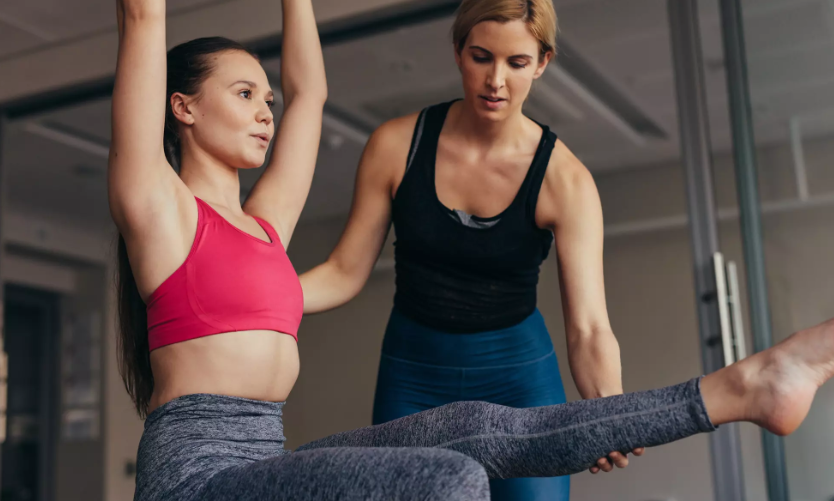
If you’ve ever pushed through a workout only to feel lingering aches, stiffness, or imbalances, you know how frustrating it can be. Most people think strength or endurance alone will fix these issues, but the truth is, Corrective Exercises Specialists in West Palm Beach can transform your performance, reduce pain, and prevent future injuries.
In West Palm Beach, the demand for corrective exercise programs is growing because people want functional strength, mobility, and long-term results—not just short-term gains.
At Omni Trinity Chiropractic Care, I’ve seen firsthand how strategic movement retraining can unlock potential that standard workouts often miss.
Here are five performance hacks using corrective exercise that can help you move better, feel stronger, and perform at your best.
1. Identify and Correct Muscle Imbalances
One of the first steps in corrective exercise is discovering muscle imbalances. It’s common for people to have stronger or tighter muscles on one side of the body, which affects movement efficiency and strength output.
2. Prioritize Joint Mobility Before Strength
Many athletes and fitness enthusiasts focus on lifting heavier, running faster, or jumping higher—but forget the foundation: joint mobility. Without proper mobility, you risk compensatory patterns that limit strength and increase injury potential.
Take knees, hips, and shoulders. Limited hip mobility often leads to lower back strain during squats, deadlifts, or even everyday bending. In one session with a CrossFit client, I noticed her lumbar spine was overextending because her hip flexors and glutes weren’t firing properly. After a few weeks of mobility drills combined with targeted glute activation, she was squatting deeper, lifting heavier, and walking without hip tightness.
Pro tip: Incorporate 5–10 minutes of joint-specific warm-ups before every workout. For example:
-
Hip circles and glute bridges for hip mobility
-
Shoulder dislocates and scapular push-ups for shoulder mobility
-
Ankle dorsiflexion drills for squats and lunges
The payoff is significant: better movement quality, increased strength, and fewer aches.
3. Strengthen the Core From the Inside Out
When we talk about “core strength,” most people think of crunches and sit-ups. But corrective exercise looks at the core as a functional stabilizer, not just a six-pack aesthetic. A weak or imbalanced core often leads to inefficient movement, low back pain, and reduced power output.
Quick hack: Start core work with stability and activation exercises before adding heavy lifts. A strong, properly engaged core translates directly into better force transfer in squats, presses, jumps, and rotational movements.
4. Integrate Functional Movement Patterns
Corrective exercise isn’t just about isolation movements—it’s about retraining your body to move efficiently in real-life patterns. Squatting, hinging, pushing, pulling, and rotating are fundamental movement patterns that every athlete or active individual should master.
For example, I once trained a client who was a recreational golfer. He had excellent rotational strength but couldn’t hinge at the hips properly due to tight hamstrings. By incorporating corrective drills such as hip hinges, step-back lunges, and thoracic rotations, he not only improved his swing but also noticed fewer post-round aches and faster recovery.
5. Use Recovery as Part of Performance Training
One of the most overlooked aspects of performance is recovery. Corrective exercise isn’t just about strengthening weak muscles; it’s also about ensuring the body can repair and adapt efficiently.
Soft tissue work, foam rolling, and dynamic stretching help maintain flexibility and circulation. Pairing this with proper sleep, nutrition, and hydration allows your muscles and joints to recover from training, which enhances performance over time.
Pro tip: Treat corrective exercises and recovery as an investment, not a chore. The stronger and more balanced your body, the more efficiently it adapts to challenges.
Why Choose Omni Trinity for Corrective Exercise in West Palm Beach
West Palm Beach attracts active individuals who want to stay fit year-round. Many juggle demanding jobs, outdoor sports, or family commitments. Corrective exercise provides an efficient way to maximize performance, prevent injuries, and maintain mobility, even with a busy lifestyle.
Final Thoughts
If you’ve struggled with recurring aches, limited mobility, or inconsistent performance, consider integrating corrective exercise into your routine. Start with small adjustments, focus on proper form, and stay consistent. The results compound quickly, and before long, you’ll notice improvements not just in the gym, but in everyday life.
In West Palm Beach, programs like Omni Trinity Chiropractic Care make corrective exercise accessible, effective, and personalized, ensuring that each movement you perform builds strength, mobility, and long-term resilience.
Invest in your body now—it’s the best way to ensure it continues performing at its peak for years to come.

 Arabic
 French
 Spanish
 Portuguese
 Deutsch
 Turkish
 Dutch
Dutch
 Italiano
 Russian
 Romaian
 Portuguese (Brazil)
 Greek
Greek