


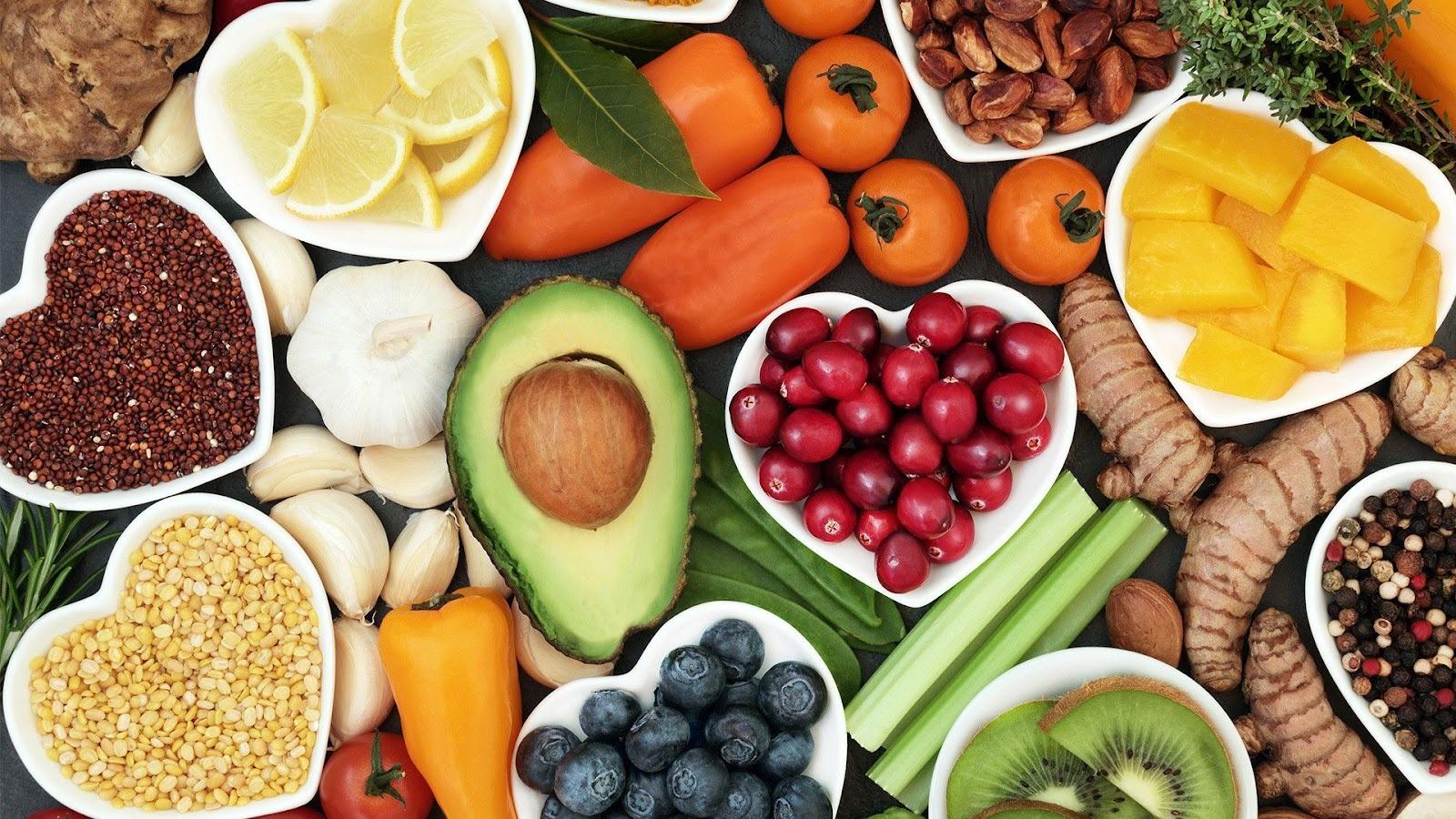
A Whole Plant Based Food: A Complete Guide to Eating Clean & Healthy is more than a diet it’s a lifestyle focused on nourishing your body with real, unprocessed foods from plants. This approach emphasizes eating foods as close to their natural state as possible, helping people feel energized, maintain a healthy weight, and reduce the risk of chronic disease.
Unlike trendy diets, whole plant based eating is simple, flexible, and backed by strong nutritional science. It’s about progress, not perfection, and anyone can start—one meal at a time.
What Is a Whole Plant Based Food Diet?
Definition and Core Principles
A whole plant based food diet centers on foods that come directly from plants with minimal processing. This includes vegetables, fruits, whole grains, legumes, nuts, and seeds. Animal products are minimized or eliminated, and processed foods are avoided whenever possible.
The core principles are:
-
Eat foods in their whole, natural form
-
Focus on plants as the foundation of every meal
-
Avoid refined sugars, oils, and artificial additives
Whole vs Processed Plant Foods
Not all plant foods are equal. For example, an apple is a whole plant food, while apple juice or candy made with apple flavor is processed. Whole plant foods keep their fiber, vitamins, and minerals intact, which is why they’re so powerful for long-term health.
The Philosophy Behind Eating Clean
What “Eating Clean” Really Means
Eating clean means choosing foods that support your body instead of stressing it. It’s not about strict rules or calorie counting. Instead, it focuses on food quality, freshness, and balance.
How Whole Plant Foods Support Clean Eating
Whole plant foods naturally align with clean eating because they are:
-
Free from artificial ingredients
-
High in fiber and antioxidants
-
Naturally low in unhealthy fats
Together, these qualities help stabilize blood sugar, reduce inflammation, and improve overall wellness.
Health Benefits of a Whole Plant Based Food Lifestyle
Heart Health and Cholesterol
Whole plant based diets are rich in fiber and phytonutrients, which help lower LDL (bad) cholesterol and support healthy blood pressure. Studies consistently show reduced heart disease risk among plant-focused eaters.
Weight Management and Metabolism
Because whole plant foods are filling but lower in calories, many people naturally reach and maintain a healthy weight without dieting.
Digestive Health and Gut Microbiome
Fiber feeds beneficial gut bacteria. A healthy gut improves digestion, immunity, and even mental health.
Disease Prevention and Longevity
This lifestyle has been linked to lower rates of type 2 diabetes, certain cancers, and inflammatory diseases, promoting a longer, healthier life.
Essential Whole Plant Based Foods to Eat Daily
Fruits and Vegetables
Aim for a rainbow of colors. Each color provides different nutrients and antioxidants.
Whole Grains
Brown rice, oats, quinoa, and barley provide long-lasting energy and essential minerals.
Legumes and Pulses
Beans, lentils, and chickpeas are protein powerhouses that also support heart health.
Nuts and Seeds
Small portions of walnuts, flaxseeds, and chia seeds supply healthy fats and omega-3s.
Foods to Limit or Avoid
Highly Processed Plant Foods
Vegan cookies, chips, and mock meats may be plant-based but are often high in salt, sugar, and refined oils.
Added Sugars, Oils, and Refined Grains
White bread, sugary drinks, and deep-fried foods reduce the benefits of plant-based eating.
How to Start a Whole Plant Based Food Diet
Transitioning Step by Step
Start by adding more plants instead of focusing on what to remove. Try:
-
Meatless Mondays
-
Half-plate vegetables at meals
-
Swapping refined grains for whole grains
Pantry Makeover Tips
Stock your kitchen with beans, whole grains, spices, and frozen vegetables for quick, healthy meals.
Meal Planning and Preparation Tips
Balanced Plate Method
A simple guide:
-
½ plate vegetables
-
¼ plate whole grains
-
¼ plate legumes or plant protein
Simple Meal Ideas
-
Oatmeal with fruit and seeds
-
Lentil vegetable soup
-
Stir-fried veggies with brown rice
Common Myths About Whole Plant Based Eating
-
Myth: You won’t get enough protein
Truth: Legumes, whole grains, and seeds easily meet protein needs. -
Myth: It’s expensive
Truth: Beans and grains are some of the most affordable foods available.
Whole Plant Based Food for Different Lifestyles
Families and Kids
Colorful meals, smoothies, and homemade plant-based snacks make this lifestyle kid-friendly.
Athletes and Active Individuals
Complex carbs and plant proteins fuel workouts and support faster recovery.
Frequently Asked Questions (FAQs)
1. Is a whole plant based food diet the same as vegan?
No. Veganism excludes animal products, while whole plant based eating focuses on food quality and minimal processing.
2. Can I eat oil on a whole plant based diet?
Many people limit or avoid oil, but small amounts may be used depending on personal goals.
3. Will I get enough nutrients?
Yes, when meals are varied and balanced. Vitamin B12 supplementation is commonly recommended.
4. Is whole plant based food good for weight loss?
Yes, it naturally supports healthy weight management.
5. How long before I see health benefits?
Some benefits, like improved digestion and energy, may appear within weeks.
6. Can I follow this diet when eating out?
Absolutely. Choose vegetable-based dishes, whole grains, and legumes when possible.
Conclusion
Adopting Whole Plant Based Food: A Complete Guide to Eating Clean & Healthy is one of the most practical and sustainable ways to improve your health. By focusing on real, whole foods from plants, you nourish your body, protect the planet, and build lifelong healthy habits—without extreme rules or restrictions.
Start small, stay consistent, and let whole plant foods do the rest.

 English
 Arabic
 French
 Spanish
 Portuguese
 Deutsch
 Turkish
 Dutch
Dutch
 Russian
 Romaian
 Portuguese (Brazil)
 Greek
Greek