


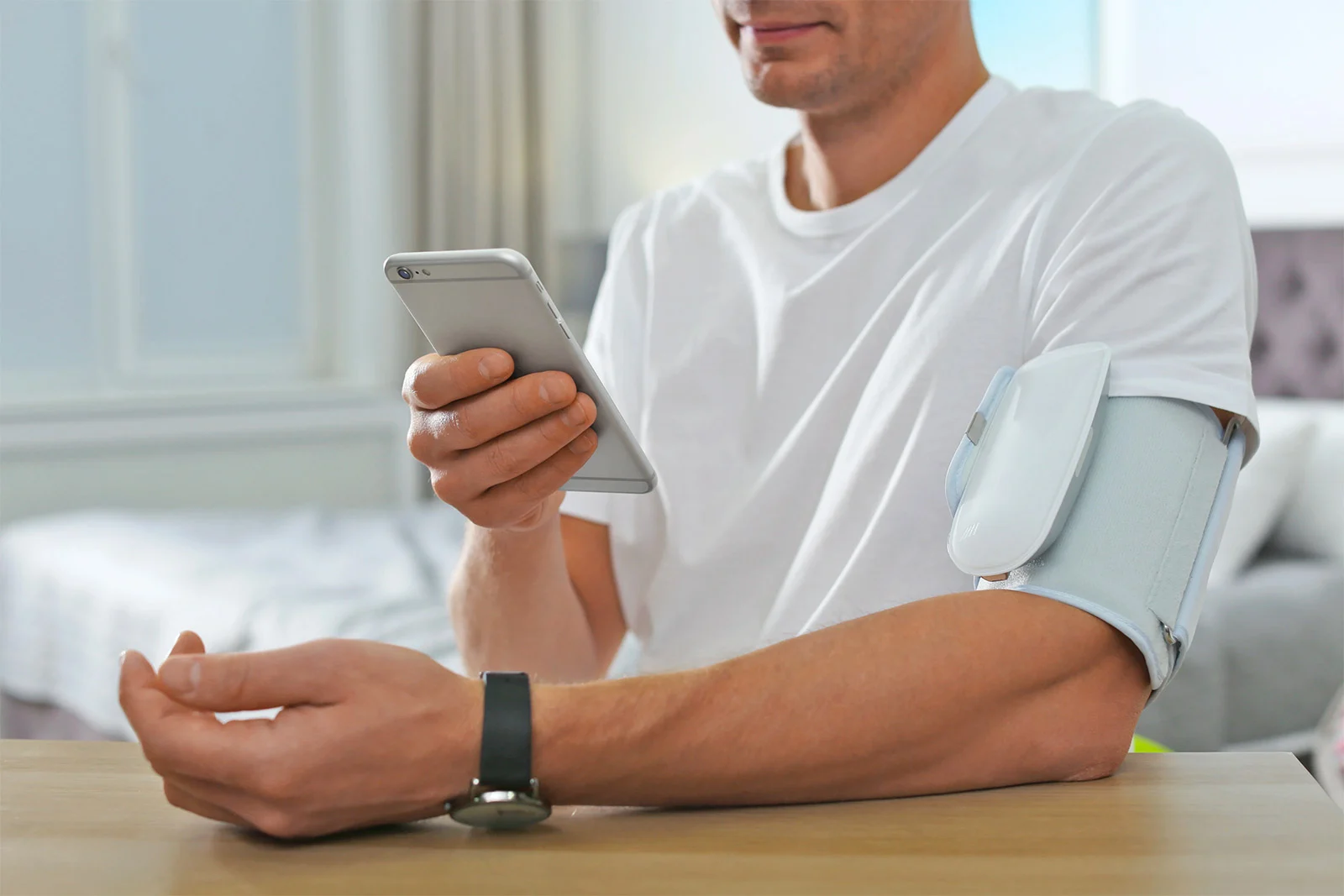
Remote patient monitoring has become one of the most important advancements in modern healthcare, enabling providers to track patient health outside traditional clinical environments. As healthcare systems face rising costs, increasing chronic disease prevalence, and growing patient expectations, digital solutions are essential for sustainable care delivery. Remote patient monitoring allows healthcare professionals to collect real-time health data, analyze trends, and intervene early—often before conditions worsen.
By combining connected medical devices, mobile technology, and data analytics, remote patient monitoring supports proactive, patient-centered care models. It reduces unnecessary hospital visits, improves outcomes, and enhances the overall healthcare experience. As healthcare continues its shift toward value-based and preventive care, remote patient monitoring is playing a central role in transforming how care is delivered and managed.
Understanding Remote Patient Monitoring
Remote patient monitoring refers to the use of digital technologies to collect health and medical data from patients in non-clinical settings and transmit that data securely to healthcare providers. This data may include vital signs such as heart rate, blood pressure, glucose levels, oxygen saturation, and physical activity metrics.
The primary goal of remote patient monitoring is to extend medical supervision beyond hospitals and clinics. Instead of relying solely on periodic in-person visits, clinicians can gain continuous visibility into a patient’s health status. This approach enables timely decision-making, better disease management, and more personalized treatment plans.
Evolution of Remote Patient Monitoring in Healthcare
The concept of monitoring patients outside healthcare facilities has existed for decades, but early methods were limited and manual. Patients often reported symptoms over the phone or recorded measurements on paper, which restricted accuracy and timeliness.
Advancements in digital health technology have significantly expanded the capabilities of remote patient monitoring. Wearable devices, smart sensors, cloud platforms, and mobile applications now enable automated, real-time data collection. This evolution has transformed remote patient monitoring into a reliable and scalable healthcare solution used across hospitals, clinics, and home care settings.
How Remote Patient Monitoring Works
Remote patient monitoring systems operate through an interconnected ecosystem of devices, software platforms, and communication networks. Patients use wearables, home-based medical devices, or mobile apps to measure health parameters regularly or continuously.
The collected data is transmitted securely to centralized platforms where it is analyzed and visualized for healthcare providers. Alerts and notifications are generated when readings fall outside normal ranges. Through this workflow, remote patient monitoring enables clinicians to respond quickly to potential health risks and adjust care plans as needed.
Key Benefits of Remote Patient Monitoring
One of the most significant benefits of remote patient monitoring is improved patient outcomes. Continuous monitoring allows early detection of complications, reducing the risk of hospital readmissions and emergency interventions. Patients receive timely support based on real-world health data rather than delayed symptom reporting.
Remote patient monitoring also enhances patient engagement. When individuals actively participate in tracking their health, they become more aware of their conditions and more likely to follow treatment plans. For healthcare providers, this model improves efficiency by reducing unnecessary visits and optimizing resource utilization.
Remote Patient Monitoring and Chronic Disease Management
Chronic conditions such as diabetes, hypertension, heart disease, and respiratory disorders require long-term monitoring and consistent care. Remote patient monitoring is particularly effective for managing these conditions, as it provides ongoing insights into patient health trends.
By analyzing continuous data, clinicians can identify early warning signs and intervene before complications arise. Remote patient monitoring supports personalized treatment adjustments and improves quality of life for patients managing chronic illnesses while reducing the burden on healthcare facilities.
Role of Technology in Remote Patient Monitoring
Technology is the foundation of remote patient monitoring systems. Wearable sensors, smart medical devices, mobile applications, and cloud-based platforms work together to collect, transmit, and analyze patient data.
Advanced analytics and artificial intelligence further enhance remote patient monitoring by identifying patterns and predicting health risks. These technologies enable proactive care strategies and support informed clinical decision-making, making monitoring systems more effective and reliable.
Data Security and Privacy in Remote Patient Monitoring
Healthcare data is highly sensitive, making security and privacy critical concerns in remote patient monitoring. Unauthorized access or data breaches can compromise patient trust and lead to regulatory penalties.
Strong security measures such as encryption, authentication, and access controls are essential to protect patient information. By ensuring data confidentiality and integrity, remote patient monitoring systems maintain compliance with healthcare regulations and foster confidence among patients and providers.
Regulatory Compliance and Remote Patient Monitoring
Remote patient monitoring solutions must adhere to healthcare regulations such as HIPAA, GDPR, and other regional data protection laws. These regulations govern how patient data is collected, stored, and shared.
Compliance is an ongoing process that requires careful system design and continuous oversight. By maintaining regulatory alignment, remote patient monitoring programs can operate safely and ethically while avoiding legal and financial risks.
Integration with Healthcare Systems
For remote patient monitoring to deliver meaningful value, it must integrate seamlessly with existing healthcare systems such as electronic health records and clinical workflows. Integration ensures that remote data complements in-person care and supports comprehensive patient management.
Effective integration reduces data silos and improves care coordination. When clinicians can access remote monitoring data within familiar systems, decision-making becomes faster and more accurate.
Improving Patient Experience Through Remote Patient Monitoring
Patient experience is a key indicator of healthcare quality, and remote patient monitoring significantly enhances convenience and accessibility. Patients can receive continuous care without frequent hospital visits, saving time and reducing stress.
Remote patient monitoring also provides reassurance by enabling consistent communication with healthcare providers. This sense of connection and support improves satisfaction and encourages long-term engagement with care programs.
Challenges in Implementing Remote Patient Monitoring
Despite its advantages, implementing remote patient monitoring presents several challenges. Technical complexity, device interoperability issues, and data management requirements can complicate deployment.
Patient adoption may also be a barrier, particularly among individuals with limited digital literacy. Healthcare organizations must invest in education, support, and user-friendly design to overcome these challenges and ensure successful implementation.
Best Practices for Successful Remote Patient Monitoring
Successful remote patient monitoring programs prioritize usability, reliability, and patient engagement. Selecting appropriate devices and ensuring accurate data collection are essential for clinical effectiveness.
Clear communication and training help patients understand how to use monitoring tools correctly. Continuous evaluation and improvement ensure that remote patient monitoring programs remain aligned with clinical goals and patient needs.
Remote Patient Monitoring in Preventive Care
Preventive care is increasingly important as healthcare systems aim to reduce long-term costs and improve population health. Remote patient monitoring supports preventive strategies by identifying risk factors early and enabling timely interventions.
Through continuous data analysis, providers can detect subtle changes in health indicators and implement preventive measures. This proactive approach reduces the likelihood of serious conditions and supports healthier communities.
Business Impact of Remote Patient Monitoring
From a business perspective, remote patient monitoring offers significant value to healthcare organizations. Reduced hospital admissions, improved resource utilization, and better patient retention contribute to cost savings and operational efficiency.
Remote patient monitoring also supports new care models, including value-based care and home-based services. Organizations that adopt monitoring technologies are better positioned to meet evolving healthcare demands and patient expectations.
Future Trends in Remote Patient Monitoring
The future of remote patient monitoring is closely tied to advancements in wearable technology, artificial intelligence, and connectivity. More accurate sensors and smarter analytics will enhance predictive capabilities and personalized care.
As healthcare continues to embrace digital transformation, remote patient monitoring is expected to become a standard component of care delivery. Ongoing innovation will expand its applications across diverse patient populations and care settings.
Conclusion
Remote patient monitoring is reshaping healthcare by enabling continuous, proactive, and patient-centered care beyond traditional clinical settings. Through real-time data collection, early intervention, and improved engagement, it supports better outcomes and more efficient healthcare systems.
As technology advances and care models evolve, remote patient monitoring will remain a critical driver of modern healthcare innovation. Organizations that invest in effective monitoring solutions will be better equipped to deliver high-quality, accessible, and sustainable care in an increasingly connected world.

 English
 Arabic
 French
 Spanish
 Portuguese
 Deutsch
 Turkish
 Italiano
 Russian
 Romaian
 Portuguese (Brazil)
 Greek
Greek