


Food often looks perfect when fresh—smooth bread crust, soft cheese and clean fruit. The problem starts after storage. Many people notice cracks, dryness, oil stains or sticky layers forming. This does not happen because food is weak. It is because storage habits ignore how surfaces react to air moisture and pressure. Wrapping plays a quiet role in keeping food looking and feeling right. When done with care, wrapping protects food without changing taste or shape. This article explains how simple wrapping choices help food stay clean, smooth and safe over time.
Why Does Food Surface Change After Storage?
Food surfaces are sensitive. Once food is exposed to air, the outer layer starts reacting. Moisture escapes from warm food and settles back unevenly. Oils move toward the surface and create shine or stickiness. Some foods harden while others become soggy. Changes happen slowly but clearly. Even short storage can affect texture if wrapping is poor.
Bread kept uncovered overnight dries and becomes rough. Cheese left open develops firm skin. Cut fruit turns dull and soft. Surface changes are not only about spoilage. They are about imbalance. Food needs gentle protection to keep its natural state. Wrapping helps by creating a light barrier. Slows air movement and holds moisture where it belongs. When wrapping is ignored, food reacts freely, and surfaces suffer first.
How Does Wrapping Protect Food Texture?
Wrapping works like a soft protection. Does not lock food away. Simply controls contact. When food is wrapped properly, the surface stays calm. Moisture stays balanced. Oils remain inside. Texture stays close to fresh.
The wrapped sandwich feels the same hours later. Wrapped pastry keeps its soft top. This happens because wrapping limits harsh exposure. Reduces sudden temperature changes and stops direct airflow. Food surfaces need stability. Wrapping offers that without pressing or squeezing.
What Happens When Food Is Left Unwrapped?
Unwrapped food faces many threats. The air dries. Dust settles on the surface. Smells from nearby food cling to food. Over time, the surface becomes uneven and dull. Even safe food may look unappetizing.
Unwrapped food also absorbs surrounding odors. Bread picks up fridge smells. Fruit loses fresh scent. Changes affect how food is enjoyed. Wrapping prevents slow damage. Keeps food isolated and stable. Even short storage needs basic wrapping to protect the surface from daily exposure.
How Can Moisture Control Prevent Surface Damage?
Moisture is tricky. Too much causes sogginess. Too little causes dryness. Food surfaces need balance. Wrapping helps regulate moisture movement. It slows evaporation and reduces condensation buildup. Hot food should cool before wrapping. Wrapping hot food traps steam. That steam settles on the surface and makes it wet. Over time that moisture damages texture. Cooling first allows moisture to settle evenly. Then wrapping locks in the right level.
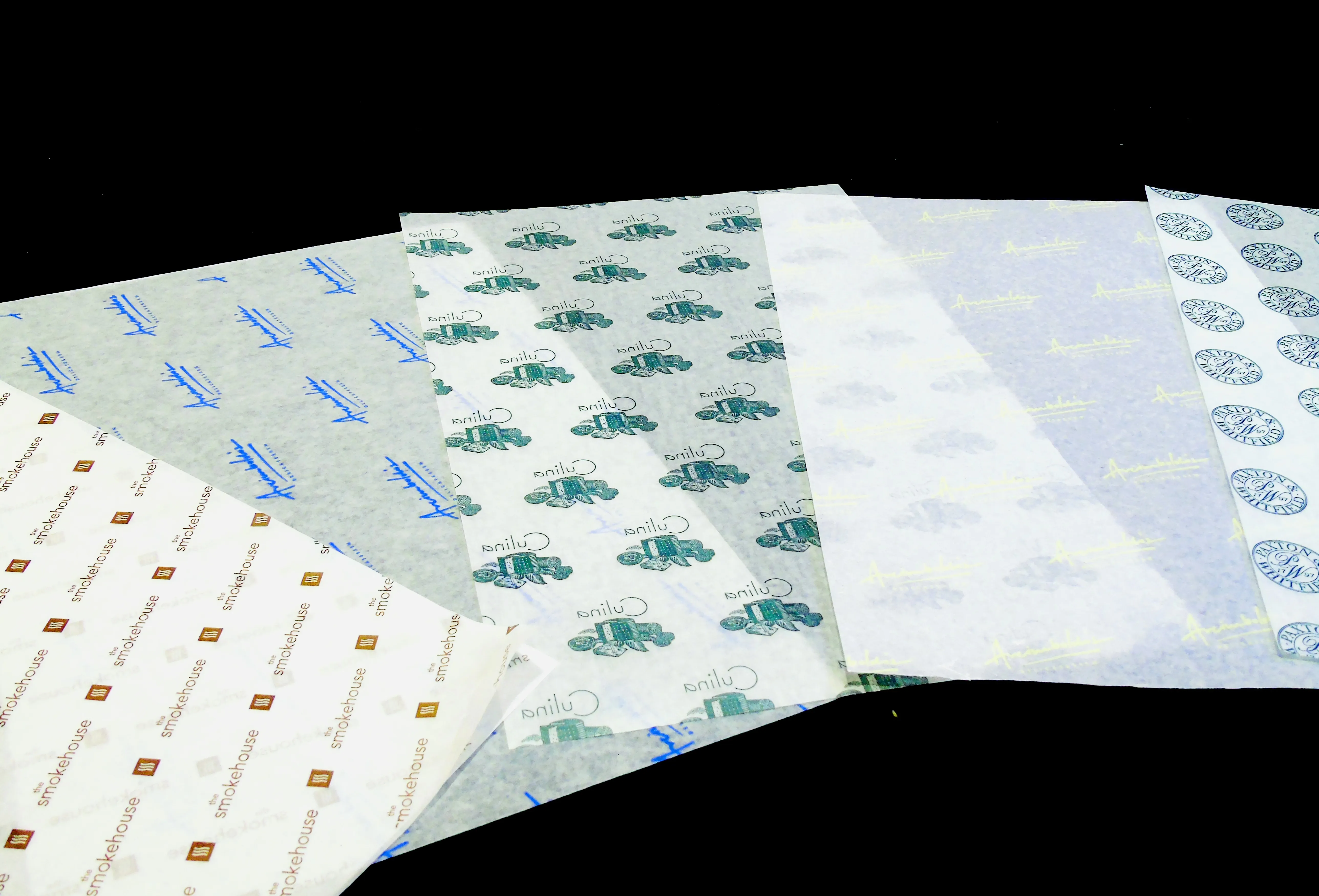
Some foods release oils. Others release water. Wrapping materials that absorb slightly without sticking help keep surfaces clean. This is why many cooks prefer custom food paper for items that need breathing space while staying protected. Used once in the right context it keeps surfaces neat without soaking or tearing.
Why Does Air Exposure Harm Food Appearance?
Air causes oxidation. Process dulls color and changes texture. Cut apples turn brown. Meat surfaces darken. Cheese skins form. Changes happen faster without wrapping.
In a small café, the baker noticed the pastries drying too fast. The issue was not baking. The problem was airflow near the counter. Once gentle wrapping was added, the surface stayed soft through the day. Small changes make visible differences.
How Does Proper Wrapping Reduce Stickiness?
Sticky surfaces form when oils rise and mix with moisture. Without wrapping this happens freely. The surface becomes greasy and unpleasant. Wrapping controls oil movement. A smooth wrap prevents friction. It keeps oils from spreading outward. Foods like sweets or cooked meats benefit from this. They stay clean and easy to handle.
Using custom wax paper sheets in one specific case helps prevent sticking while allowing food to stay breathable. When chosen carefully this type of wrap protects surface texture without clinging or tearing. It should only be used when surface protection matters most.
What Role Does Food Temperature Play Before Wrapping?
Temperature matters more than many think. Wrapping hot food causes condensation. Wrapping cold food too loosely causes drying. The right moment matters. Food should reach room warmth before wrapping unless safety requires cooling. Reduces moisture shock. When temperature stabilizes, the surface stays calm.
In a small home kitchen, someone wrapped warm rice quickly. Later, the surface became wet and clumpy. After learning to cool first, the surface stayed separate and clean. Wrapping is not just about material. Timing is part of surface care.
How Can Wrapping Stop Flavor Transfer?
Food absorbs smells easily. This affects surface aroma and taste. Strong foods pass odors to softer ones. Wrapping creates separation. Even neutral wraps help block scent travel. Keeps surfaces fresh. Bread tastes like bread. Fruit smells like fruit. No mixing.
In shared storage spaces, this matters more. One wrap mistake can affect many items. Proper wrapping protects each food’s identity. This is especially useful in busy kitchens and shared environments such as Canada, where many foods are stored together daily.
Why Is Soft Wrapping Better for Delicate Foods?
Delicate foods bruise easily. Tight wrapping leaves marks. Heavy pressure cracks surfaces. Soft wrapping supports without pressing. Foods like pastries, herbs, or soft cheeses need room. Wrapping that follows shape gently prevents damage. Keeps edges intact.
In a small bakery story, switching from tight covers to gentle wraps reduced surface cracks. Customers noticed better texture without knowing why. Wrapping quietly improves food quality when done right.
How Do Wrapping Habits Affect Freshness Over Time?
Daily habits matter. Rushed wrapping causes slow damage. Consistent gentle wrapping keeps food stable. Opening and rewrapping should be careful. Pulling wraps harshly tears surfaces. Smooth handling preserves texture.
Many food businesses now train staff on wrapping basics. Reduces waste. Surfaces stay appealing longer. Simple habits lead to better results without extra effort.
Can Safe Food Wrapping Support Clean Storage Practices?
Clean storage starts with separation. Wrapping keeps food isolated. Prevents contact contamination. Surfaces stay clean when wraps are fresh and handled properly. Reusing dirty wraps transfers residue. Clean wrapping supports hygiene.
Some businesses source wrapping materials from trusted suppliers like WaxPapersHub because consistency matters. When wraps perform reliably, surfaces stay protected. Clean storage depends on small details done right.
How Can Thoughtful Wrapping Improve Food Life Naturally?
Thoughtful wrapping is not complex. Mindful. Consider food type, temperature, and storage time. When wrapping becomes part of routine, food stays better longer. Surfaces remain smooth, dry, and appealing. Reduces waste.
Many startups and home cooks learn over time. Adjust wrapping habits and see results. With reliable materials from WaxPapersHub and careful handling, food storage becomes easier and more effective. Even one change in wrapping style can protect food surfaces naturally.

 English
 Arabic
 Spanish
 Portuguese
 Deutsch
 Turkish
 Dutch
Dutch
 Italiano
 Russian
 Romaian
 Portuguese (Brazil)
 Greek
Greek