


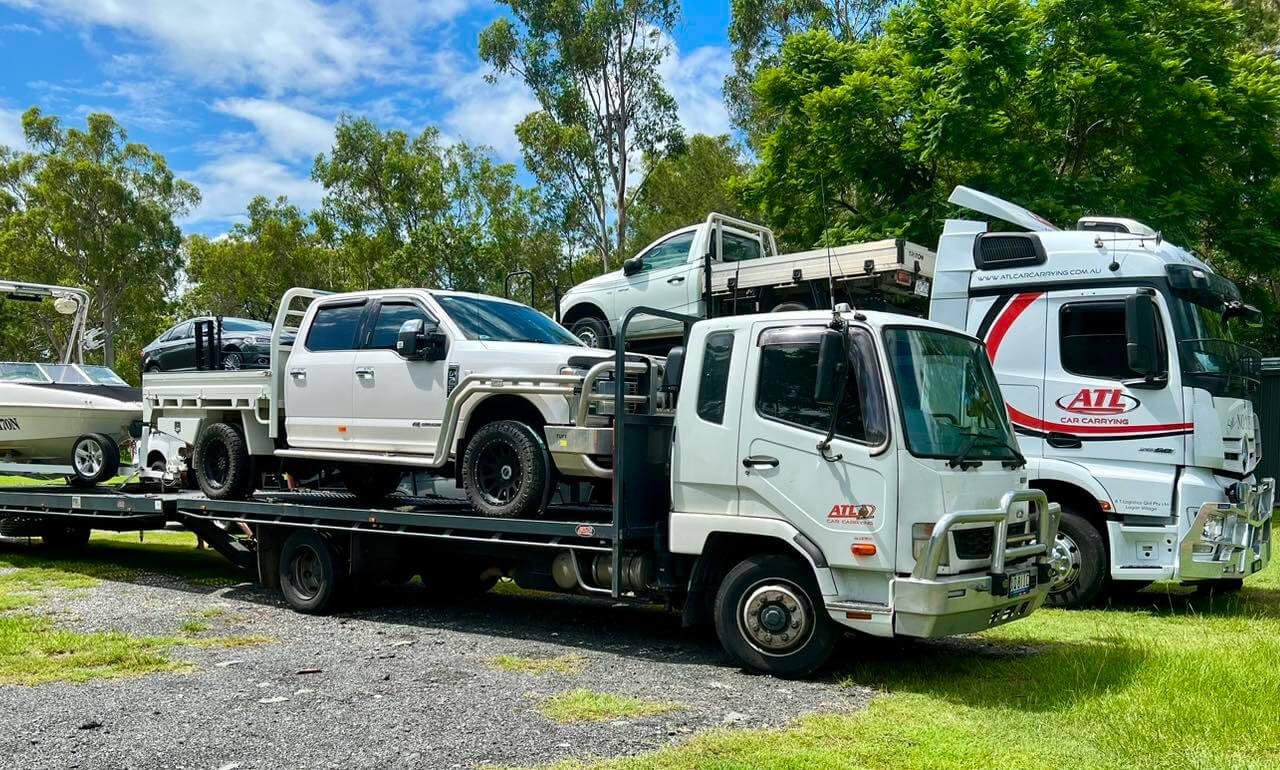
Many people watch an old car leave their driveway and never think about it again. The vehicle may no longer start, may have accident damage, or may simply be unused. Once it is gone, most owners do not know what follows. The journey of a vehicle after collection is detailed and carefully managed. Each stage plays a role in waste control, recycling, and environmental care.
This article explains what happens when a car leaves your driveway. It follows the process step by step and shares real facts that show how vehicle salvage works in Australia.
Why Cars Are Removed From Homes
Cars reach the end of their road life for many reasons. Mechanical failure is one common cause. Repairs may cost more than the car is worth. Some vehicles fail safety checks and cannot be registered again. Others are written off after accidents or weather damage.
Leaving unused vehicles at home creates problems. Fluids such as oil, fuel, and coolant can leak into the ground. Rust can spread and affect nearby surfaces. Councils often warn against long term vehicle storage due to environmental risks. Removing the vehicle is often the safest option.
Collection and Transport to a Salvage Yard
Once a vehicle leaves a driveway, it is taken to a licensed salvage or wrecking yard. Transport is handled using trucks designed for vehicle loading. This prevents damage to roads and nearby property.
Salvage yards in Australia must follow rules set by environmental and transport authorities. These rules control how vehicles are moved and where they can be stored. The aim is to limit pollution and ensure safe handling from the start.
Initial Inspection at the Yard
After arrival, the vehicle is logged and inspected. Staff record details such as make, model, year, and condition. This helps decide which parts may still be useful.
Even cars that look beyond repair often contain working parts. Engines, transmissions, alternators, and panels may still function. Identifying reusable parts is an important step, as it reduces waste and lowers the need for new manufacturing.
Draining Fluids and Removing Hazardous Materials
One of the most important stages is fluid removal. Cars contain several liquids that can harm soil and water. These include engine oil, brake fluid, transmission fluid, fuel, and coolant.
Each fluid is drained into sealed containers. These liquids are then treated, recycled, or disposed of through approved systems. Australian environmental studies show that one litre of oil can pollute a large volume of water. This fact highlights why careful fluid handling matters.
Car batteries are also removed early. Batteries contain lead and acid, which are harmful if released. In Australia, lead from car batteries is one of the most recycled materials, with recovery rates above ninety percent.
Dismantling and Parts Recovery
After hazardous items are removed, dismantling begins. Workers remove parts that can be reused. These parts may include doors, engines, gearboxes, radiators, wheels, and interior items.
Reusing parts supports material conservation. Manufacturing new car parts requires mining, processing, and transport. Each step uses energy and natural resources. Reused parts lower this demand and reduce industrial emissions.
This stage also supports repair markets, as second hand parts allow older vehicles to stay on the road longer.
Crushing and Metal Separation
Once usable parts are removed, the vehicle shell remains. This shell is mostly metal. It is crushed into a compact form for transport to metal recycling facilities.
Steel makes up most of a car’s weight. Recycling steel uses much less energy than producing it from raw iron ore. Aluminium parts are also recovered. Producing aluminium from recycled material uses far less energy than mining bauxite.
Copper wiring is separated and sent for processing. Copper is valuable and widely reused in electrical systems.
Handling Plastics, Glass, and Tyres
Cars contain more than metal. Plastics are found in dashboards, bumpers, and trims. These plastics are sorted by type and sent for recycling or reuse in industrial products.
Automotive glass is treated separately. Windscreens are made from laminated glass. Side windows are tempered glass. Both types can be processed and reused in construction materials.
Tyres are removed and inspected. Some are reused where safe. Others are shredded and used in road bases, playground surfaces, or insulation products. This keeps large rubber waste out of landfill.
Waste That Cannot Be Reused
Not every part of a car can be reused or recycled. Some materials are contaminated or worn beyond recovery. These items are disposed of under waste control laws.
Australian waste rules require clear records of disposal. Salvage yards must show where waste goes and how it is handled. This protects land and waterways from long term harm.
Environmental Impact of Vehicle Salvage
Recycling vehicles has a direct effect on the environment. Fewer raw materials are taken from the earth. Energy use drops across mining and manufacturing sectors. Landfill growth slows.
Research shows that recycling one car saves a large amount of energy compared to producing the same materials from raw sources. It also reduces greenhouse gas output linked to industrial activity.
Removing unused vehicles also improves local safety and appearance. Yards and streets remain clear, and pollution risks are reduced.
Regional Vehicle Removal and Recycling
In regional areas, vehicles are often kept longer due to travel distances and work needs. When these cars stop working, they may sit on properties for years. Services linked with Townsville Cars for Cash help move these vehicles into proper salvage channels. This supports material reuse and lowers pollution risks in regional communities.
A Practical Example in Northern Queensland
Northern Queensland sees high vehicle wear due to climate and road conditions. Older vehicles reach salvage stages sooner. Cash 4 Cars Townsville plays a role by connecting vehicle owners with recycling yards. This helps ensure cars are dismantled correctly, fluids are handled safely, and metals are reused. The process supports waste control and environmental care in the region without leaving vehicles abandoned on land.
Legal Responsibilities and Compliance
Vehicle salvage is regulated in Australia. Yards must hold licences and meet safety standards. Records of vehicle intake, dismantling, and disposal are required.
These laws protect workers, communities, and the environment. They also ensure that vehicles are not stripped illegally or dumped without control.
Why Understanding the Process Matters
Knowing what happens after a car leaves a driveway helps people see the larger picture. Vehicle salvage is not just removal. It is a system that supports recycling, waste control, and resource protection.
Each car holds materials that still have purpose. Handling them correctly reduces harm and supports sustainable practices across Australia.
Final Thoughts
When a car leaves your driveway, its journey is only beginning. From inspection and dismantling to recycling and disposal, each step is managed with care. This process protects land, water, and air while reducing pressure on natural resources.
Understanding these salvage secrets shows how responsible vehicle handling supports a cleaner and more balanced future.

 English
 Arabic
 French
 Spanish
 Portuguese
 Deutsch
 Turkish
 Dutch
Dutch
 Italiano
 Russian
 Portuguese (Brazil)
 Greek
Greek