


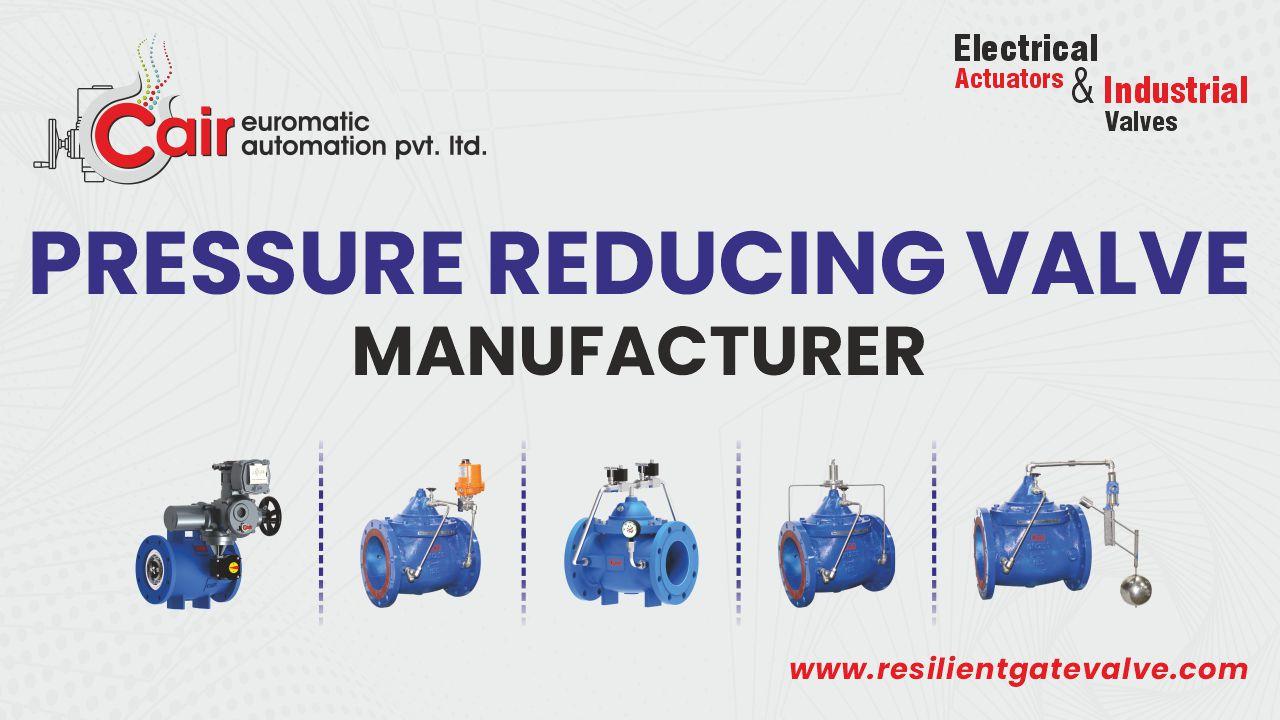
Maintaining the right pressure in a pipeline system is essential for safety, efficiency, and long-term performance. In both water distribution networks and industrial systems, uncontrolled pressure can lead to leakage, pipe bursts, equipment damage, and increased maintenance costs. Pressure reducing valves play a critical role in preventing these issues by ensuring stable and controlled pressure throughout the system. This article explains how pressure reducing valves protect water and industrial systems and why they are an essential component of modern flow control.
Understanding Pressure Challenges in Pipeline Systems
Water and industrial pipelines often operate under varying pressure conditions. Changes in elevation, fluctuating demand, pump operation, and supply pressure variations can all cause sudden pressure increases. If these pressure spikes are not controlled, they can weaken pipelines and cause premature failure.
In industrial environments, excessive pressure can damage sensitive equipment, disrupt processes, and create unsafe working conditions. In water supply systems, high pressure leads to increased leakage, pipe damage, and unnecessary water loss. Pressure reducing valves are designed specifically to manage these challenges.
What Is a Pressure Reducing Valve?
A pressure reducing valve (PRV) is an automatic control valve that reduces high inlet pressure to a safe and consistent outlet pressure. Once set, the valve continuously adjusts itself to maintain the desired downstream pressure, regardless of changes in upstream pressure or flow demand.
Unlike manual valves, pressure reducing valves operate without external power or constant supervision. Their automatic operation makes them highly reliable for protecting pipelines and maintaining steady system performance.
How Pressure Reducing Valves Work
Pressure reducing valves work by sensing downstream pressure using an internal diaphragm or piston mechanism. When the outlet pressure exceeds the preset value, the valve restricts flow. When pressure drops below the set point, the valve opens to allow more flow.
This continuous self-regulation ensures stable pressure levels across the system. The smooth and controlled operation of PRV valves prevents sudden pressure changes that could otherwise damage pipes and equipment.
Protection of Water Distribution Systems
In water supply networks, pressure reducing valves are essential for managing pressure zones. Municipal systems often supply water at high pressure to reach distant or elevated areas. Without pressure regulation, this high pressure can cause leakage and pipe damage in lower zones.
PRV valves protect water systems by reducing pressure to safe levels, minimizing water loss, and extending pipeline life. They also help ensure consistent water pressure for end users, improving overall service quality and system reliability.
Role of Pressure Reducing Valves in Industrial Systems
Industrial systems rely on precise pressure control for safe and efficient operation. Many machines and processes require specific pressure levels to function correctly. Excess pressure can damage equipment, cause process instability, and increase downtime.
Pressure reducing valves help maintain controlled pressure in industrial pipelines, protecting pumps, compressors, and processing equipment. By stabilizing pressure, PRV valves improve operational efficiency and reduce maintenance costs.
Preventing Equipment Damage and System Failures
One of the biggest advantages of pressure reducing valves is their ability to protect downstream equipment. High pressure places stress on valves, joints, seals, and machinery components. Over time, this stress leads to wear, leakage, and failure.
By maintaining safe pressure levels, pressure reducing valves reduce mechanical stress and help prevent unexpected breakdowns. This protection is especially important in systems where continuous operation is critical.
Improving Energy Efficiency and Reducing Costs
Uncontrolled pressure not only damages systems but also wastes energy. Pumps working against excessive pressure consume more power and operate less efficiently. Pressure reducing valves help optimize pressure levels, allowing pumps and equipment to work efficiently.
Lower pressure also reduces water loss through leaks and minimizes the need for frequent repairs. Over time, this leads to significant cost savings for both water utilities and industrial operators.
Types of Pressure Reducing Valves Used for System Protection
Different applications require different types of pressure reducing valves. Direct-acting PRV valves are suitable for smaller systems with stable flow conditions. Pilot-operated pressure reducing valves offer more precise control and are ideal for larger water and industrial networks with variable demand.
Heavy-duty pressure reducing valves are designed for high-pressure industrial environments where durability and reliability are critical. Choosing the right type of valve is essential for effective system protection.
Materials and Build Quality Matter
The effectiveness of a pressure reducing valve depends greatly on its construction quality. High-grade materials such as cast iron, ductile iron, stainless steel, and bronze are commonly used to ensure strength and corrosion resistance.
Quality seals, precise machining, and proper surface finishing ensure leak-free operation and long service life. Valves manufactured with attention to material selection and design perform more reliably under demanding conditions.
Your Reliable PRV Valve Manufacturer in Ahmedabad
Cair Euromatic Automation is a trusted name for high-quality PRV valves in Ahmedabad. The company focuses on manufacturing reliable pressure reducing valves that meet the real-world needs of water supply and industrial pipeline systems.
With years of experience in valve manufacturing, Cair Euromatic Automation has developed a strong understanding of pressure control challenges across different applications. This expertise allows the company to deliver products that offer consistent pressure regulation, safety, and long-term durability.
Commitment to Quality and Customer Value
The company’s dedication to quality is evident at every stage of production. From careful material selection to precision manufacturing and final testing, each pressure reducing valve is designed to deliver dependable performance.
As reflected in the company’s values and manufacturing philosophy, the focus remains on offering well-engineered solutions and honest service. This commitment ensures that customers receive products that provide real value and reliable operation over time.
Testing and Quality Assurance Practices
Before dispatch, every pressure reducing valve undergoes strict quality checks. These include pressure testing, leakage testing, and functional performance evaluation under operating conditions.
Such testing ensures that each valve performs reliably in real applications and meets industry standards. Quality assurance plays a vital role in protecting water and industrial systems from pressure-related issues.
Selecting the Right Pressure Reducing Valve
Choosing the right pressure reducing valve is critical for effective system protection. Factors such as inlet pressure, required outlet pressure, flow rate, temperature, and application type must be carefully evaluated.
Working with an experienced manufacturer helps simplify the selection process. Expert guidance ensures proper sizing, material selection, and configuration, resulting in reliable pressure control and long service life.
Installation and Maintenance for Long-Term Protection
Proper installation is essential to ensure the performance of pressure reducing valves. Valves should be installed in the correct orientation with adequate space for inspection and maintenance.
Routine inspection and minimal maintenance help keep the valve functioning efficiently. Clean operating conditions and periodic checks further enhance reliability and system protection.
Customer Support and Technical Assistance
Reliable support is an important part of any flow control solution. If you need help selecting the right PRV valve, have specific application requirements, or require technical guidance, an experienced team can provide valuable assistance.
Customers are encouraged to connect anytime for professional support and practical solutions tailored to their system needs.
Conclusion
Pressure reducing valves play a vital role in protecting water and industrial systems from damage caused by excessive pressure. By maintaining stable pressure levels, they safeguard pipelines, equipment, and processes while improving efficiency and reducing operational costs.
Choosing a trusted pressure reducing valve manufacturer in Ahmedabad ensures access to quality products, engineering expertise, and dependable support. With the right PRV valve in place, water and industrial systems can operate safely, efficiently, and reliably for years to come.

 Arabic
 French
 Spanish
 Portuguese
 Deutsch
 Turkish
 Dutch
Dutch
 Italiano
 Russian
 Romaian
 Portuguese (Brazil)
 Greek
Greek