


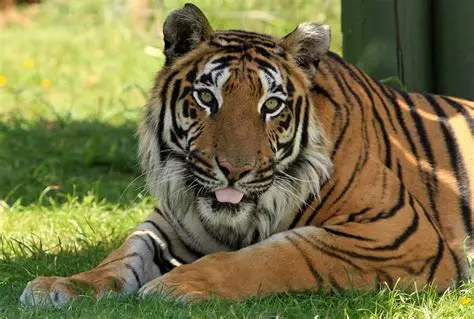
Ranthambore National Park & Tiger Reserve is among the most celebrated wildlife destinations in India. The Ranthambore National Park & Tiger Reserve, located in Sawai Madhopur, Rajasthan, is one of India’s most famous wildlife sanctuaries. Once the hunting grounds of the Maharajas of Jaipur, it is now a protected sanctuary under Project Tiger. Located about 130 km from Jaipur, the park combines natural beauty, rich biodiversity, and historical heritage, making it a must-visit for wildlife enthusiasts, photographers, and cultural travelers alike.
🌿 History and Establishment
-
Declared a Tiger Reserve in 1973 under Project Tiger.
-
Established as a National Park in 1980, covering 392 sq km.
-
Once a royal hunting ground, it now protects endangered Bengal tigers.
-
The Ranthambore Fort, dating back to the 10th century, adds cultural depth to the park.
🦁 Wildlife at Ranthambore
The park is famous for its Bengal tigers, often seen in daylight. Other species include:
-
Leopards: Found in rocky outcrops.
-
Sloth Bears: Common in forested areas.
-
Caracals, Hyenas, Jackals, and Foxes: Smaller carnivores.
-
Herbivores: Sambar deer, chital, nilgai, and wild boar.
-
Birds: Over 270 species, including eagles, owls, and migratory birds.
-
Reptiles: Crocodiles, monitor lizards, and snakes.
🏞️ Landscape and Ecology
-
Located at the junction of the Aravalli and Vindhya ranges.
-
Features dry deciduous forests, meadows, lakes, and crags.
-
Key water bodies: Padam Talao, Rajbagh Talao, and Malik Talao.
-
The park’s varied terrain supports diverse ecosystems.
🕉️ Cultural Significance
-
Ranthambore Fort: A UNESCO World Heritage Site under “Hill Forts of Rajasthan.”
-
Ancient temples dedicated to Lord Shiva and Ganesha.
-
Blend of spirituality and ecology makes Ranthambore unique.
🚙 Safari Experience
-
Safari Zones: The park is divided into 10 zones, each offering unique wildlife sightings.
-
Types of Safaris: Jeep (6-seater) and Canter (20-seater).
-
Duration: 3–4 hours, morning and evening slots.
-
Best Time: October to March for pleasant weather and higher chances of tiger sightings.
📊 Comparison: Ranthambore vs Other Tiger Reserves
| Feature | Ranthambore | Bandhavgarh | Jim Corbett |
| Location | Rajasthan | Madhya Pradesh | Uttarakhand |
| Area | 392 sq km | 450 sq km | 520 sq km |
| Tiger Sightings | High | Very High | Moderate |
| Heritage Sites | Ranthambore Fort | Ancient caves | Corbett Museum |
| Accessibility | Jaipur (130 km) | Jabalpur (200 km) | Delhi (250 km) |
🧭 Travel Tips
-
Book Safaris Early: Slots fill quickly, especially in peak season.
-
Best Season: October–March; avoid peak summer heat.
-
Clothing: Neutral colors, light cottons in summer, warm layers in winter.
-
Essentials: Binoculars, camera, sunscreen, and water bottles.
-
Respect Nature: Follow park rules, avoid littering, and maintain silence.
🌱 Conservation Role
-
Part of Project Tiger, protecting Bengal tigers.
-
Supports eco-tourism and local livelihoods.
-
Raises awareness about wildlife conservation.
-
Challenges include poaching, human-wildlife conflict, and habitat preservation.
🧳 Nearby Attractions
-
Sawai Madhopur: Gateway town with heritage hotels.
-
Chambal River Safari: Spot gharials and migratory birds.
-
Kaila Devi Temple: A revered pilgrimage site.
-
Jaipur: Just 130 km away, ideal for combining wildlife and culture.
📸 Photography Opportunities
-
Tigers near lakes and ruins.
-
Sunrise over Ranthambore Fort.
-
Migratory birds at Padam Talao.
-
Rustic landscapes blending history and wilderness.
🌟 Conclusion
The Ranthambore National Park & Tiger Reserve is more than a wildlife sanctuary—it is a living tapestry of nature, history, and culture. From thrilling tiger safaris to exploring the majestic Ranthambore Fort, the park offers an unforgettable experience. Whether you are a pilgrim, photographer, or adventure seeker, Ranthambore promises a journey into the wild heart of Rajasthan.
So, if you’re planning your next adventure, consider Ranthambore—a destination where the roar of the tiger meets the whispers of history.

 English
 Arabic
 French
 Spanish
 Portuguese
 Deutsch
 Turkish
 Dutch
Dutch
 Italiano
 Russian
 Portuguese (Brazil)
 Greek
Greek