


Ground stability remains one of the most critical factors in civil engineering and construction. Understanding soil behavior and ground conditions helps prevent costly failures and ensures project success. Every engineer must grasp the fundamental principles of geotechnical engineering.
Understanding Ground Stability: The Foundation of Engineering Excellence
Ground stability refers to the soil's ability to maintain its structure and support loads effectively. When soil can't support intended structures, catastrophic failures can occur. Engineers analyze ground stability through soil composition, water content, and density measurements. Proper assessment prevents foundation issues before construction even begins.
The concept extends beyond just building foundations and underground infrastructure. Ground stability affects highways, bridges, tunnels, and dams significantly. Poor ground conditions have caused numerous infrastructure failures throughout history. Understanding these principles protects public safety and project investments.
Key Factors Affecting Soil Stability and Load-Bearing Capacity
Soil composition determines how well ground can support structural loads. Different soil types including clay, sand, and silt behave uniquely under pressure. Engineers must identify soil classification before designing any foundation system. Each soil type possesses distinct characteristics affecting its bearing capacity.
Water content plays an enormous role in ground stability assessments. Saturated soil becomes weaker and loses its structural integrity rapidly. Drainage systems must be properly designed to manage subsurface water effectively. Excess moisture can cause soil settlement and foundation displacement issues.
Soil density directly influences the ground's ability to bear weight. Loose soil compacts under load, creating settlement and structural problems. Proper compaction during construction ensures soil achieves maximum density levels. Dense soil provides superior bearing capacity for heavy structures.
The Role of Geotechnical Investigation in Ground Stability
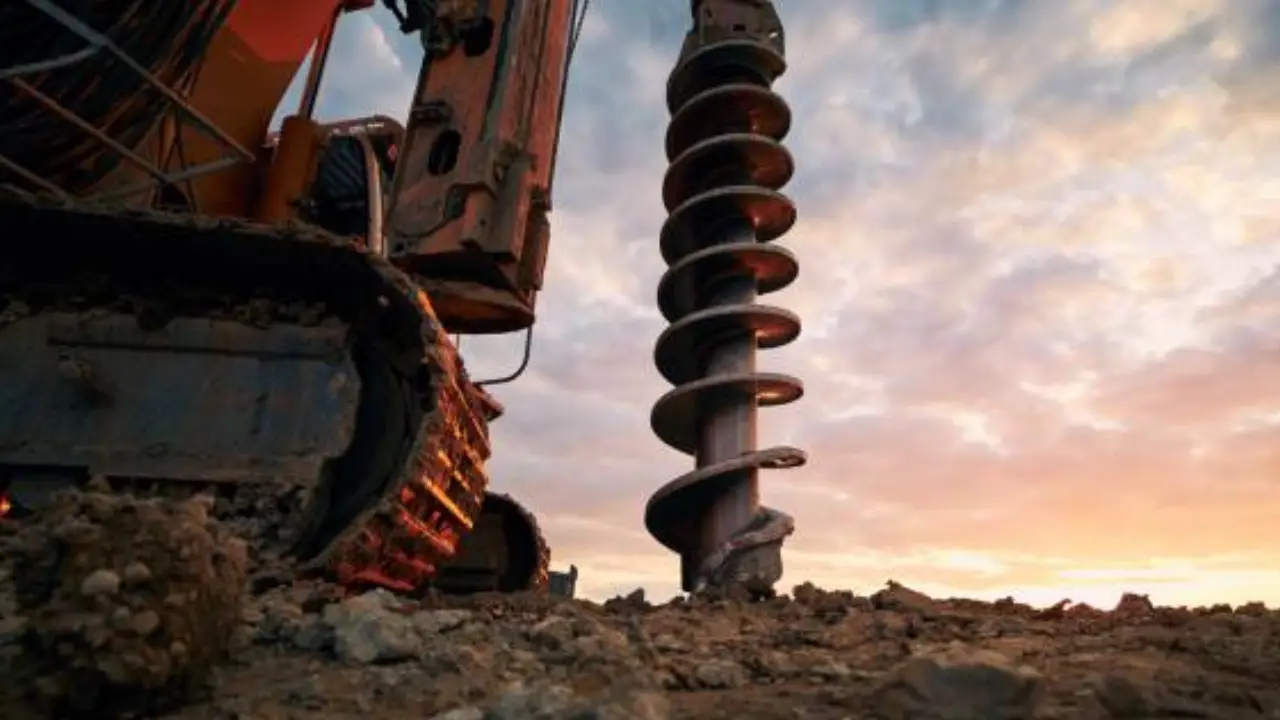
Geotechnical drilling provides engineers with crucial subsurface soil information and samples. These drilling operations reveal soil layers, water tables, and potential hazards. Engineers use drilling data to design appropriate foundation systems. Investigation results form the foundation of all stability assessments.
Site investigation involves multiple drilling locations across the proposed project area. Boreholes reach depths needed to understand complete soil profiles. Samples taken from different depths reveal how soil properties vary. This variation directly impacts foundation design and construction methods.
Laboratory testing of soil samples determines engineering properties and behavior characteristics. Tests measure bearing capacity, compression strength, and hydraulic conductivity values. Results guide engineers in selecting appropriate construction techniques and materials. These properties are essential for calculating safe foundation depths.
Slope Stability and Its Importance in Construction Projects
Slope stability concerns engineers working on hillside construction and excavation projects. Unstable slopes can fail without warning, causing landslides and property damage. Engineers analyze slope geometry, soil properties, and water conditions carefully. Proper slope design prevents catastrophic failures in mountainous regions.
Slope failures occur when gravitational forces exceed the soil's shear strength. Water infiltration weakens slope stability by increasing pore pressure significantly. Vegetation removal and excavation can trigger slope failures in sensitive areas. Engineers must implement proper erosion control and drainage systems.
Slope stabilization techniques include retaining walls, soil nails, and geo-grids. These methods distribute forces more effectively across unstable slope areas. Regular monitoring detects early signs of slope failure and movement. Proper maintenance prevents minor issues from becoming major disasters.
Foundation Design Based on Ground Stability Analysis
Engineers select foundation types based on ground stability assessment results. Shallow foundations work well for stable soil with adequate bearing capacity. Deep foundations become necessary when ground conditions are poor or weak. Selection depends entirely on site-specific geotechnical investigation findings.
Shallow foundations including footings and rafts suit stable ground conditions. These foundations distribute loads across relatively small soil areas. Construction costs remain lower when ground stability permits shallow foundations. However, deeper investigations might reveal unsuitable conditions below.
Deep foundations like piles and caissons reach stable soil layers below. Pile driving extends far underground to reach competent bearing strata. Caisson construction creates underground chambers reaching stable soil depths. Both methods work when surface soils cannot support structural loads.
Settlement and Ground Movement: Common Ground Stability Challenges
Differential settlement occurs when various foundation areas experience unequal subsidence rates. This uneven movement causes cracking, tilting, and structural damage to buildings. Uneven ground conditions create different settlement patterns across structures. Engineers calculate and predict settlement to design appropriate foundations.
Consolidation settlement develops when soil compresses under sustained structural loads. This process occurs gradually over months or even years afterward. Fine-grained soils experience more consolidation than coarser sandy soils. Predicting consolidation helps engineers design structures resistant to settlement.
Ground subsidence can result from groundwater withdrawal or mining activities. Excessive pumping removes water supporting soil structure, causing collapse. Mining creates voids that cannot support overlying ground effectively. Engineers monitor subsidence risks in areas with these industrial activities.
Groundwater and Its Impact on Ground Stability
Groundwater significantly influences soil strength and foundation stability. Water increases pore pressure between soil particles, reducing friction forces. Higher pore pressure decreases soil shear strength and bearing capacity values. Proper drainage systems manage water to maintain ground stability effectively.
Water table fluctuations affect seasonal variations in ground stability. Rising water tables reduce bearing capacity and increase settlement risks. Falling water tables can cause soil consolidation and subsidence problems. Engineers design drainage systems considering seasonal water table variations.
Seepage through soil can cause internal erosion and structural failure. Water movement through soil layers can transport fine particles away. This piping action weakens soil and creates voids underground. Proper filtration and drainage design prevents internal erosion problems.
Modern Ground Stability Assessment Methods and Technologies
Advanced equipment now helps engineers assess ground stability more accurately. Ground-penetrating radar detects subsurface conditions without extensive drilling. Cone penetration testing measures soil resistance at various depths. These methods complement traditional borehole sampling techniques effectively.
Computer modeling simulates ground behavior under various loading conditions. Finite element analysis predicts settlement, stress distribution, and failure modes. Engineers use these models to optimize foundation designs and safety factors. Technology continues improving ground stability predictions significantly.
Monitoring systems track ground movement after construction begins. Inclinometers measure slope movement and detect instability early. Settlement plates monitor foundation movement during building operation. Continuous monitoring provides valuable data for maintaining structural safety.
Best Practices for Ensuring Ground Stability in Engineering Projects
Every engineering project must begin with adequate geotechnical investigation. Site investigation reveals ground conditions that impact all design decisions. Quality investigation data prevents costly design mistakes and construction failures. Invest time and resources in thorough ground stability assessments initially.
Communicate geotechnical findings clearly to all project team members. Engineers must understand soil limitations affecting structural design. Construction teams need to know how ground conditions change. Clear communication prevents misunderstandings during construction execution phases.
Regular ground stability monitoring continues throughout the project lifecycle. Ongoing assessment detects changes in ground conditions over time. Monitoring data guides maintenance and repair decisions during operation. Proactive monitoring prevents minor issues from becoming major problems.
Conclusion: Ground Stability as a Critical Engineering Discipline
Ground stability fundamentally determines the success and safety of engineering projects. Understanding soil behavior helps engineers design appropriate foundations. Every construction project benefits from thorough geotechnical investigation. Engineers who master ground stability principles build safer, longer-lasting structures.
Investment in proper ground investigation and stability assessment saves money. Preventing failures costs far less than repairing damage afterward. Future engineers must prioritize ground stability in all projects. This fundamental knowledge protects public safety and project investments permanently.

 English
 Arabic
 French
 Spanish
 Portuguese
 Turkish
 Dutch
Dutch
 Italiano
 Russian
 Romaian
 Portuguese (Brazil)
 Greek
Greek