


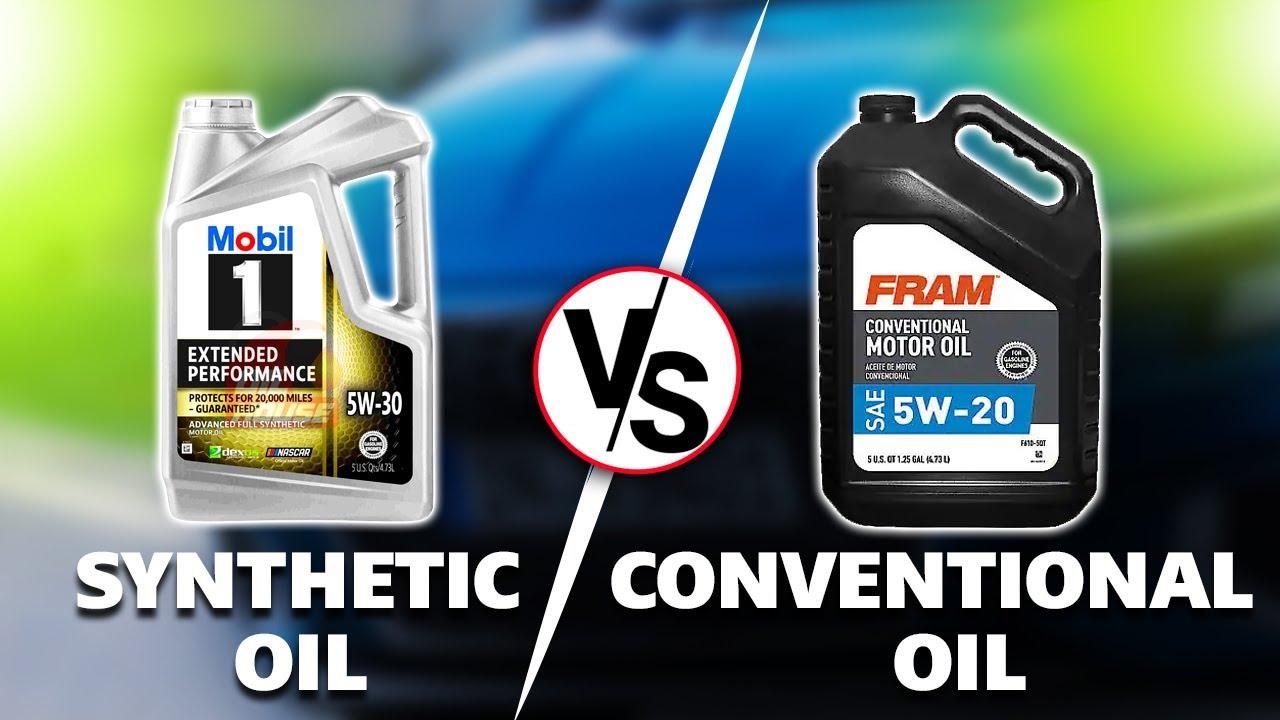
Choosing the right engine oil for your vehicle matters more than most people think. The oil running through your engine's components plays a critical role in its longevity. Making an informed decision between synthetic and conventional options requires understanding key differences. Your car's performance, fuel efficiency, and engine lifespan depend on this choice.
Understanding Conventional Motor Oil Basics
Conventional motor oil comes directly from crude oil extracted from the earth. Refineries process this crude oil to create usable engine lubricant. This traditional option has been protecting engines for over a century now. Most older vehicles were designed specifically with conventional oil in mind.
Conventional oil contains natural impurities that refineries remove during processing. However, some of these impurities remain in the final product. These residual elements can accumulate inside your engine over time. Sludge buildup becomes more pronounced as conventional oil breaks down faster. Regular oil changes every 3,000 to 5,000 miles remain necessary.
The cost advantage of conventional oil is immediately obvious. You'll spend significantly less money at your local service station. Budget-conscious car owners often prefer this economical option. However, this initial savings comes with trade-offs in performance metrics.
Exploring the Benefits of Synthetic Motor Oil
Synthetic motor oil is manufactured through chemical processes in laboratories. Engineers create synthetic oil molecules with precise specifications and consistency. This engineered approach produces oil with superior performance characteristics. Advanced filtration technology, like synthetic oil filtration facilities use, ensures exceptional purity levels.
Synthetic oils resist breakdown far better than conventional alternatives do. Temperature fluctuations don't affect synthetic oil as dramatically. Your engine stays better protected during extreme heat or cold. Viscosity remains stable across a wider range of temperatures. This consistency means enhanced engine protection year-round without compromise.
Modern synthetic oils last significantly longer between service intervals. Many manufacturers recommend 7,500 to 10,000 mile intervals. Some premium synthetics even stretch toward 15,000 mile intervals between changes. This extended protection reduces the frequency of maintenance requirements. Fewer oil changes mean less waste and environmental impact.
The higher price point reflects superior performance and longevity. You're investing in better engine protection and longer intervals. Owners often recoup this investment through reduced maintenance costs. Better fuel efficiency can also improve your vehicle's overall economy. Engine wear decreases when using quality synthetic motor oil consistently.
Performance Differences Between Oil Types
Engine wear protection represents one of the most significant differences. Synthetic oil molecules flow more smoothly throughout engine components. This improved flow reduces friction between moving parts significantly. Lower friction means less heat generation inside your engine. Your engine operates more efficiently with superior lubrication protection.
Oxidation resistance is another critical performance advantage for synthetics. Conventional oil oxidizes faster when exposed to high temperatures. This oxidation process breaks down the oil's protective properties. Synthetic oil resists this degradation for much longer periods. Your engine remains protected even during extended driving sessions.
Cold start performance matters especially in northern climates. Synthetic oil flows more freely when temperatures drop significantly. Your engine receives proper lubrication even at freezing temperatures. Conventional oil can thicken excessively in cold weather conditions. This thickening reduces lubrication effectiveness during critical startup moments.
Heat resistance protects your engine during highway driving and summer months. Synthetic oil maintains consistent viscosity at elevated temperatures. Thin films of oil properly coat engine components under stress. Conventional oil can become too thin at high temperatures. This thinning compromises the protective film your engine needs.
Analyzing Cost Considerations and Value
Initial purchase price clearly favors conventional motor oil significantly. A quart of conventional costs roughly one-third the price. However, examining total cost of ownership reveals a different picture. Synthetic oil's extended interval capability reduces your total service expenses. Fewer oil changes translate to lower overall maintenance investments.
Fuel economy improvements with synthetic oil aren't guaranteed universally. Some vehicles show measurable efficiency gains with premium synthetics. Others display minimal difference in fuel consumption metrics. Your specific vehicle's design determines whether you'll see improvements. Manufacturer specifications should guide your expectations regarding fuel savings.
Engine longevity increases when using quality synthetic oil consistently. Higher mileage vehicles show noticeably reduced wear rates. Your engine's internal components remain cleaner and fresher longer. Extended engine life can add years of reliable service. This longevity often justifies the premium synthetic pricing.
Resale value may benefit from consistent synthetic oil use. Potential buyers appreciate well-maintained vehicles with full service records. Documentation of premium oil usage throughout ownership matters. Clean engines with lower mileage wear command higher market prices. This intangible benefit can offset some synthetic oil costs.
Vehicle Type and Manufacturer Recommendations
Your vehicle's manufacturer specifications should guide your oil selection. Modern luxury vehicles frequently require synthetic motor oil exclusively. These high-performance engines benefit tremendously from synthetic properties. Using conventional oil in these cars violates warranty provisions. Always consult your owner's manual before making selections.
Turbocharged engines specifically benefit from synthetic oil protection. The extra heat and stress from turbocharging demands superior lubrication. Synthetic oil handles these demanding conditions far better. Conventional oil can't provide adequate protection in turbocharged scenarios. Your performance car deserves quality synthetic coverage.
Older vehicles designed in the 1980s and earlier generally run fine with conventional. Their simpler engine designs don't stress lubricants as heavily. However, synthetic oil works safely in older cars too. Switching to synthetics can extend the life of aging engines. You won't harm your vehicle by upgrading to synthetics.
Diesel engines have different oil needs than gasoline counterparts. Diesel-specific synthetic oils exist for these heavier-duty applications. These specialized oils handle diesel engine stresses effectively. Never use gasoline engine oil in diesel applications. Consult your diesel vehicle's manual for specific oil requirements.
Making Your Final Decision
Assess your driving habits and climate conditions honestly. Frequent towing or extreme temperatures favor synthetic oil protection. Highway commuting with long intervals suggests synthetic benefits. Short urban trips with frequent cold starts still need protection.
Consider your vehicle's warranty and manufacturer specifications carefully. Expensive modern vehicles likely require synthetic protection. Older cars can function adequately with conventional oil still. Your owner's manual provides definitive guidance on this decision.
Budget constraints matter, but long-term value deserves consideration equally. Premium synthetics cost more initially but last longer. Calculate your total annual oil change expenses realistically. Extended intervals reduce overall maintenance spending significantly. This financial analysis often supports switching to synthetics.
Environmental responsibility plays an increasing role in modern decisions. Synthetic oils reduce the frequency of waste generation. Fewer oil changes mean less environmental impact overall. Premium oils support more sustainable vehicle ownership patterns.
Conclusion: Finding Your Perfect Oil Match
Choosing between synthetic and conventional oil requires considering multiple factors. Both options serve legitimate purposes depending on your situation. Modern synthetic oils offer superior performance and longevity. Traditional conventional oils provide budget-friendly protection for basic needs.
Your vehicle's specific requirements should drive this important decision. Manufacturer recommendations carry significant weight in this selection. Consider your driving conditions and personal budget realistically. The right oil choice protects your engine and investment. Make an informed decision that matches your vehicle's needs perfectly.

 Arabic
 French
 Spanish
 Portuguese
 Deutsch
 Turkish
 Dutch
Dutch
 Italiano
 Russian
 Romaian
 Portuguese (Brazil)
 Greek
Greek