


In the UAE’s demanding climate—characterized by high humidity, extreme heat, and coastal salinity—corrosion is one of the biggest challenges faced by the construction, infrastructure, and manufacturing sectors. Selecting the right steel material is therefore not just a technical decision but a long-term investment choice. This is where GI coils stand out.
This blog explores why GI coils are the best choice for corrosion resistance, how they perform in harsh environments, and why steel exporters in UAE consistently recommend them for both local and international projects. If you are a contractor, developer, or procurement professional, this guide will help you make an informed, cost-effective decision.
What Are GI Coils?
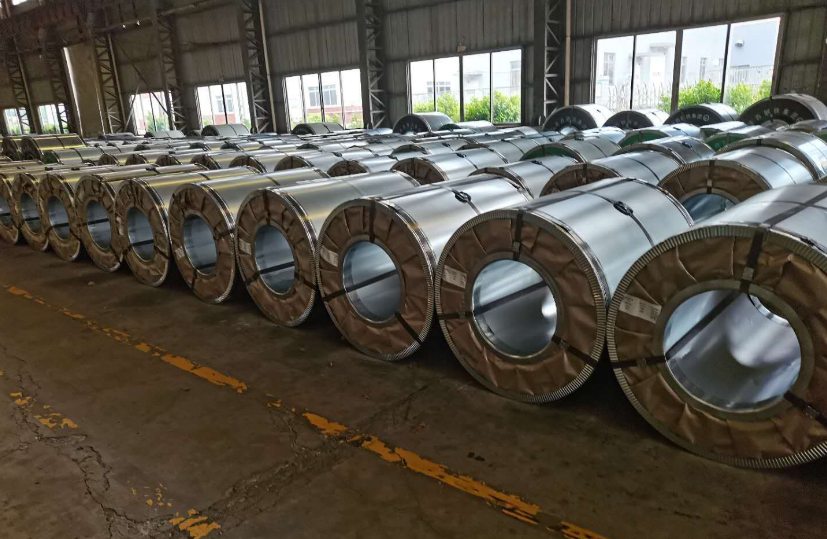
GI coils, or galvanized iron coils, are steel coils coated with a protective layer of zinc through a hot-dip galvanization process. This zinc coating acts as a physical and chemical barrier, preventing moisture and oxygen from reaching the steel surface—two primary causes of corrosion.
According to studies aligned with ASTM standards, zinc-coated steel can extend the service life of steel by 20–50 years, depending on environmental exposure. This makes GI coils a preferred material in regions like the UAE.
How GI Coils Provide Superior Corrosion Resistance
1. Zinc Coating as a Protective Shield
The zinc layer on GI coils serves as a sacrificial anode. Even if the surface is scratched, the zinc corrodes first, protecting the underlying steel. This self-healing property significantly reduces maintenance costs over time.
In coastal UAE cities such as Dubai and Abu Dhabi, where salt-laden air accelerates rust formation, GI coils offer a reliable solution that outperforms uncoated steel.
2. Ideal for Harsh UAE Climate Conditions
The UAE experiences temperatures exceeding 45°C during peak summers, along with high humidity levels. GI coils are engineered to withstand these extremes without losing structural integrity.
Many steel exporters in UAE report that galvanized steel products show up to 70% less corrosion-related failure compared to non-galvanized alternatives in similar conditions.
3. Long-Term Cost Efficiency
While GI coils may have a slightly higher upfront cost than mild steel, their long lifespan and low maintenance requirements deliver substantial savings. There is minimal need for repainting, anti-rust treatments, or replacements.
A lifecycle cost analysis often shows GI coils reducing total ownership costs by 30–40% over 20 years, a key reason they are widely used in industrial sheds, roofing, and infrastructure projects.
Wide Applications Across UAE Industries
GI coils are versatile and widely used across multiple sectors:
-
Construction: Roofing sheets, wall panels, structural components
-
HVAC systems: Ducting and ventilation units
-
Automotive and manufacturing: Panels and frames
-
Infrastructure: Transmission towers and guardrails
Their consistent performance has made them a core export product for leading steel exporters in UAE, supplying markets across the Middle East, Africa, and Asia.
Compliance with International Quality Standards
Reputable GI coils supplied in the UAE comply with globally recognized standards such as ISO certifications. This ensures uniform zinc coating thickness, tensile strength, and corrosion resistance—critical for large-scale and government-regulated projects.
Such compliance enhances trust and strengthens the UAE’s reputation as a reliable steel export hub.
Why Steel Exporters in UAE Prefer GI Coils
The UAE’s strategic location, advanced port infrastructure, and stringent quality controls make it a global leader in steel exports. GI coils are favored because they combine durability, adaptability, and global acceptance.
Exporters benefit from reduced complaint rates, higher customer satisfaction, and repeat international orders—further reinforcing GI coils as a top-performing steel product.
Conclusion
In corrosion-prone environments like the UAE, GI coils offer unmatched protection, longevity, and value. Their zinc-coated resilience, cost efficiency, and compliance with international standards make them the smartest choice for modern construction and industrial applications.

 Arabic
 French
 Spanish
 Portuguese
 Deutsch
 Turkish
 Dutch
Dutch
 Italiano
 Russian
 Romaian
 Portuguese (Brazil)
 Greek
Greek