


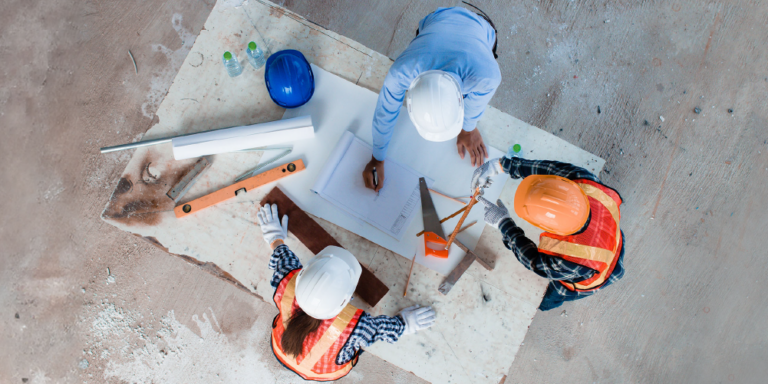
Renovating or building a home in Australia should feel exciting, not like you’ve accidentally enrolled in a full-time project management degree you never asked for. Yet so many homeowners find themselves stuck between architects, engineers, contractors, and trades who all seem to speak slightly different dialects of the same language.
This is exactly where the Design and Build model comes in. Instead of you juggling multiple teams (plus your own sanity), this approach brings design and construction under one roof. The result: clearer communication, fewer misunderstandings, and a smoother experience from start to finish.
This blog explores how Design and Build strengthens communication, reduces mistakes, and improves outcomes for Australian homeowners without turning you into the middleman. If you’ve ever wished your builder could just “talk to your designer” without you being stuck in the group chat, this article is for you.
Quick Overview: Why Design and Build Improves Communication
Here’s the short version for anyone skimming this on their lunch break:
-
One team manages everything, so there’s no back-and-forth between separate companies.
-
Plans are designed with construction in mind, reducing confusion during the build.
-
You get a single point of contact, making communication simpler and more transparent.
-
Fewer variations and surprises, because everyone is aligned from day one.
-
Faster decision-making, thanks to integrated workflows and shared goals.
Want to dive deeper? Keep reading!
Why Communication Breaks Down in Traditional Building Projects
Before appreciating what Design and Build fixes, it helps to understand what usually goes wrong:
1. Too Many Moving Parts
Architects design. Engineers calculate. Builders interpret. Trades implement. Homeowners… panic quietly.
That many parties working in isolation is a recipe for misinterpretation.
2. Misaligned Expectations
The designer imagines a floating staircase gliding through the lounge.
The builder imagines the invoice needed to construct that floating staircase.
Without early collaboration, expectations fall apart.
3. Slow Response Times
Waiting for emails. Waiting for revised drawings. Waiting for approvals.
Traditional builds love waiting. No one else does.
4. Variations (aka the budget killers)
When design isn’t cross-checked with construction reality, you get variations.
Variations cause frustration, mistrust, and emotional damage to your savings account.
How Design and Build Fixes the Communication Problem
1. One Team, One Contract, One Flow of Information
When everything is coordinated under a single Design and Build company, communication becomes structured instead of chaotic. Designers and builders work side-by-side, meaning information passes quickly and clearly.
No duplication, no conflicting instructions, no mystery “lost emails.”
Did You Know?
Integrated project delivery can reduce communication delays by up to 30%, leading to faster approvals and fewer disputes.
2. A Single Point of Contact (Your Sanity Saver)
Instead of contacting five different people, you get one dedicated project manager. This person leads the team, keeps everyone aligned, and updates you without drowning you in technical jargon.
Why it matters:
-
No repeating yourself to multiple teams
-
Clear accountability
-
Faster decision-making
-
Fewer opportunities for misunderstandings
3. Unified Team Culture = Consistent Messaging
Ever seen an architect blame a builder, or a builder blame an architect? It’s practically a sport.
But with Design and Build, everyone is on the same team, following the same process, working toward the same goal. They share communication tools, meetings, and project timelines.
This reduces:
-
Finger-pointing
-
Conflicting interpretations
-
Mismatched priorities
And increases:
-
Collaboration
-
Shared accountability
-
Smooth transitions between design and construction
4. Realistic Design From Day One
Because builders are involved during the design phase, they can flag issues early.
Examples:
-
“That retaining wall is going to cost triple what you think.”
-
“This window needs engineering support.”
-
“Yes, we can do that—but we’ll need approvals first.”
This early communication prevents design plans that look great on paper but collapse at the first sign of reality.
Pro Tip:
Ask your Design and Build team how they ensure cost-alignment between early design concepts and construction feasibility.
5. Faster Approvals and Fewer Delays
Council submissions, engineer revisions, supplier quotes—they all require communication.
Design and Build companies already have streamlined workflows in place. So instead of chasing five different consultants, the internal team handles coordination efficiently.
This leads to:
-
Faster turnarounds
-
Fewer errors in documentation
-
Reduced back-and-forth with councils or certifiers
6. Variations Drop Dramatically
Because design and construction occur collaboratively, variations drop significantly.
Why?
-
More accurate drawings
-
Earlier problem-solving
-
Better understanding of build costs
-
No surprises during construction
This not only improves communication but also builds trust throughout the project.
Quick Guide: How Design and Build Improves Homeowner Experience
The Situation
A homeowner wants to renovate their outdoor area, add a pergola, and improve drainage. They’re excited… until they realise they must coordinate between a designer, an engineer, a builder, and the council.
Common Challenges
-
Are the plans even buildable?
-
Who’s responsible for approving changes?
-
What if the builder interprets the drawings incorrectly?
How Design and Build Helps
Early Collaboration
Designer and builder review concepts together so nothing gets missed.
Clear Budget Alignment
Costs are estimated alongside design decisions, preventing future shocks.
One Communication Channel
You deal with one project manager who handles everyone else.
Faster Problem-Solving
Team members sit together, talk directly, and resolve issues quickly.
Why It Works
Design and Build removes the “communication gaps” that traditional builds struggle with. When everyone works as one unit, decisions are clearer, faster, and more reliable.
Interactive Section: Mini-Quiz
How well would a Design and Build approach suit your project?
(Choose the statements that apply.)
-
I don’t want to coordinate between designers and builders.
-
I want fewer variations and budget surprises.
-
I prefer a single point of contact.
-
I value open communication and transparency.
-
I want my project delivered faster with fewer delays.
If you ticked 3 or more, Design and Build will likely make your life a whole lot easier.
More Ways Design and Build Creates Better Communication
Shared Technology and Tools
Many companies use:
-
Digital project dashboards
-
Real-time plan updates
-
Shared client communication portals
This keeps everyone in sync and reduces the “I never saw that email” excuse.
Clearer Expectations Around Timeline
Because planning and construction teams communicate from day one, they provide:
-
More accurate build schedules
-
Better sequencing
-
Fewer last-minute changes
You’re not left wondering, “Why hasn’t anything happened for two weeks?”
Better Control for the Homeowner
Even with a project manager leading the way, homeowners get clearer access to:
-
Updated plans
-
Timelines
-
Cost tracking
-
Communication logs
This transparency builds trust and gives homeowners confidence that their build is on track.
FAQs About Design and Build Communication
1. Is Design and Build more expensive than traditional building?
Not necessarily. In fact, communication efficiency often saves money by reducing variations, delays, and mistakes.
2. Does Design and Build limit my design options?
No. You can still customise your home. The difference is that your designer and builder work together to keep ideas realistic and cost-aligned.
3. What if I want to make changes during the project?
Changes are easier to manage because communication is centralised. You get clearer explanations of cost and timeline impacts before approving anything.
4. Is Design and Build suitable for small renovations?
Absolutely. Even small projects benefit from having one team working in sync.
5. How do I choose a reliable Design and Build company?
Look for:
-
Clear processes
-
Strong communication tools
-
Transparent pricing
-
A portfolio of past projects
-
Good client reviews
A trustworthy company will happily explain how they communicate throughout the project.
Conclusion
Successful building or renovation isn’t just about materials, contracts, or timelines. It’s about communication.
That’s why the Design and Build model has become a popular choice across Australia. By uniting designers, engineers, builders, and project managers under one coordinated team, it eliminates confusion, reduces delays, and gives homeowners a clearer, more supported experience.
If you want a building process that feels organised rather than overwhelming, Design and Build offers a pathway to smoother communication, fewer surprises, and a more enjoyable journey from concept to completion.

 Arabic
 French
 Spanish
 Portuguese
 Deutsch
 Turkish
 Dutch
Dutch
 Italiano
 Russian
 Romaian
 Portuguese (Brazil)
 Greek
Greek