


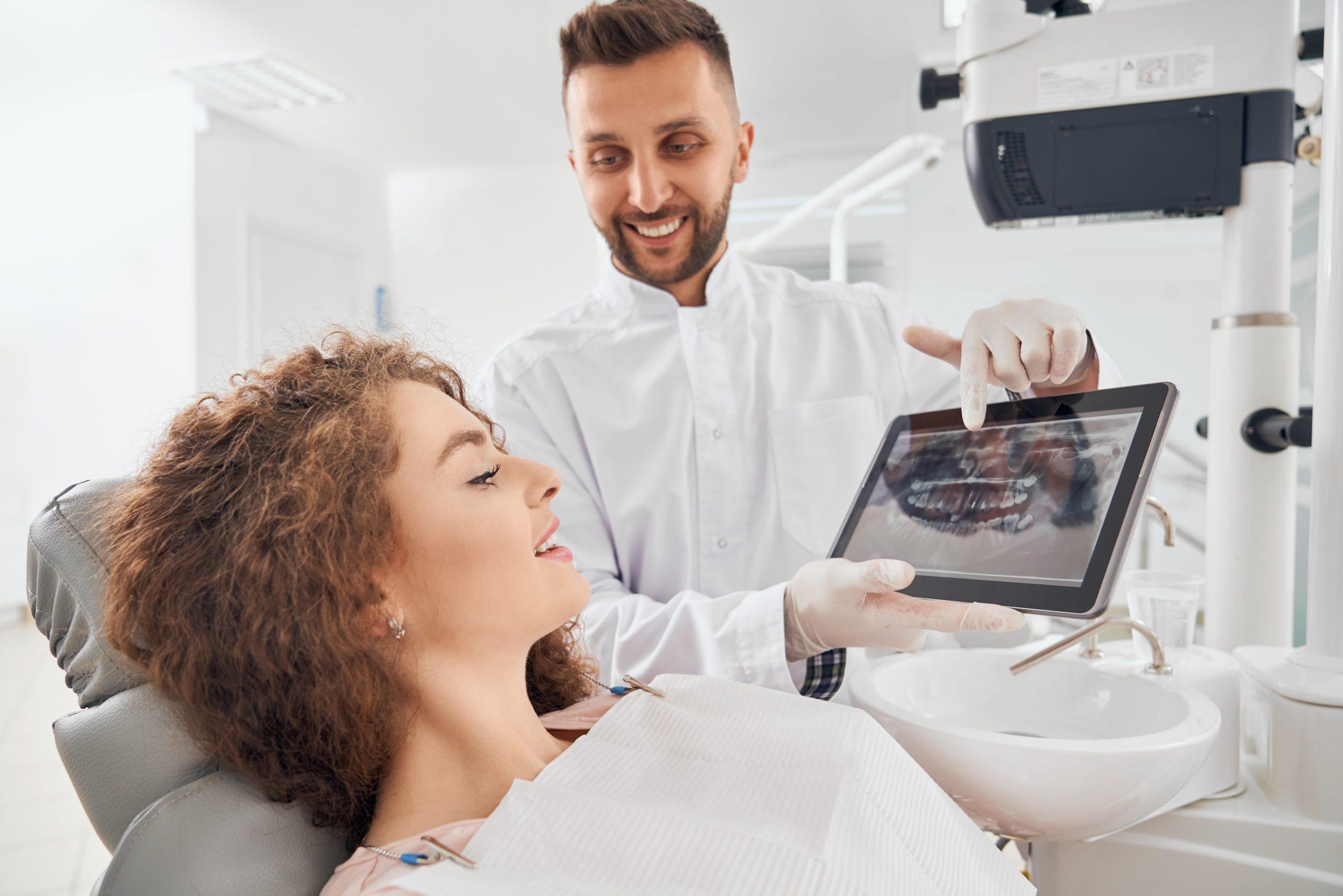
Technology has transformed nearly every aspect of our lives, and dentistry is no exception. Gone are the days when dental visits were only about drills and X-rays on film. Today, advanced tools, digital systems, and innovative techniques are making dental care faster, more comfortable, and more precise than ever before.
Whether it’s diagnosing problems early, providing pain-free treatments, or creating natural-looking restorations, technology is helping dentists deliver better outcomes for patients. Let’s explore how modern advancements are shaping the future of dental care and what it means for your smile.
1. Digital X-Rays and 3D Imaging
Traditional X-rays involved waiting for films to develop and often exposed patients to higher radiation. Now, digital X-rays provide instant results with significantly less radiation exposure. Dentists can view images immediately on a computer screen, zoom in for more detail, and share results easily with patients.
Even more advanced, 3D imaging technologies like cone-beam CT scans give a complete view of teeth, jaws, nerves, and bone structure. This level of detail is crucial for planning complex treatments such as implants, root canals, or orthodontics.
2. Laser Dentistry
Laser technology is changing the way many common dental procedures are performed. Lasers can treat gum disease, remove decay, reshape gums, and even whiten teeth—all with greater precision and less discomfort compared to traditional tools.
Patients benefit from quicker healing times, minimal bleeding, and reduced need for anesthesia. For people who fear dental drills, laser dentistry feels like a welcome relief.
3. CAD/CAM Technology for Same-Day Restorations
In the past, getting a crown or bridge required multiple visits: one for impressions, another for fitting, and sometimes more for adjustments. With CAD/CAM (Computer-Aided Design and Computer-Aided Manufacturing) technology, dentists can now design and create restorations in a single visit.
Using digital impressions, the system creates a 3D model of your tooth, which is then used to craft a crown or veneer right in the clinic. This means no more messy molds or long waiting periods.
4. Teledentistry
Much like telemedicine, teledentistry allows patients to connect with dentists remotely. Through video calls, photos, and online platforms, dentists can offer consultations, provide follow-up care, and give professional advice without requiring patients to always come in.
This has been especially helpful for people in remote areas, those with busy schedules, or during times when in-person visits are difficult. Clinics like mount gambier dental are embracing such technologies to make dental care more accessible and convenient for everyone.
5. Intraoral Cameras
Explaining dental problems to patients used to be challenging because they couldn’t see what the dentist was describing. Intraoral cameras have changed that. These tiny, high-resolution cameras allow dentists to show real-time images of your teeth and gums on a screen.
Patients can clearly see cavities, plaque, cracks, or gum issues for themselves, making it easier to understand treatment recommendations. This boosts trust and helps patients take a more active role in their dental health.
6. Artificial Intelligence (AI) in Dentistry
AI is rapidly making its way into dental practices. From analyzing X-rays to predicting oral health risks, AI tools are assisting dentists in making quicker and more accurate diagnoses.
AI can spot patterns in dental scans that the human eye might miss, helping detect cavities, gum disease, or even oral cancers at very early stages. In the future, AI could also assist in personalizing treatment plans based on a patient’s unique dental and medical history.
7. 3D Printing in Dentistry
3D printing has become a game-changer for dental labs and clinics. It allows for the quick and cost-effective creation of custom dental appliances such as aligners, dentures, crowns, and even surgical guides.
Instead of waiting weeks for a dental lab, many devices can now be printed in-house within hours, offering faster results for patients while maintaining high accuracy and quality.
8. Pain-Free Anesthesia Delivery
One of the biggest anxieties for patients is injections. Modern dental technology has developed computer-assisted anesthesia systems that deliver local anesthesia slowly and precisely, minimizing discomfort.
These systems ensure numbness only in the required area, so patients feel less groggy and recover faster after treatments.
9. Digital Smile Design
Smile design has reached a whole new level thanks to digital software. Dentists can now create a virtual preview of what your smile will look like after cosmetic treatments. Patients can see their potential results before committing to procedures such as veneers, whitening, or orthodontics.
This technology not only helps patients make informed decisions but also ensures the final outcome matches their expectations.
10. Advanced Implant Dentistry
Dental implants have become the gold standard for replacing missing teeth, and technology has made them safer and more reliable. Using digital scans, 3D imaging, and surgical guides, implant placement is now more precise than ever.
If you’re considering solutions for missing teeth, treatments like dental mount gambier provide advanced implant services that ensure natural-looking, long-lasting results with minimal discomfort.
11. Eco-Friendly Dental Practices
Technology isn’t just improving treatments—it’s also making dental care more eco-friendly. Digital records, paperless billing, reduced use of disposable plastics, and energy-efficient equipment are helping clinics lower their environmental footprint while still delivering excellent patient care.
12. The Future of Dentistry
Looking ahead, we can expect even more exciting innovations. Smart toothbrushes that track brushing habits, regenerative dentistry that grows new teeth, and advanced AI-driven diagnostics are just the beginning. The future of dentistry is all about personalized, precise, and patient-friendly care.
Final Thoughts
Technology is revolutionizing the way we approach oral health. From digital imaging and AI diagnostics to laser treatments and 3D printing, modern tools are making dental care faster, safer, and more comfortable.
For patients, this means fewer visits, less pain, and more confidence in their treatments. And with trusted clinics embracing these innovations, achieving a healthy, beautiful smile has never been easier.
Your dental care is no longer just about fixing problems—it’s about creating positive experiences and long-lasting results. With technology leading the way, the future of dentistry looks brighter than ever.

 English
 Arabic
 French
 Portuguese
 Deutsch
 Turkish
 Dutch
Dutch
 Italiano
 Russian
 Romaian
 Portuguese (Brazil)
 Greek
Greek