


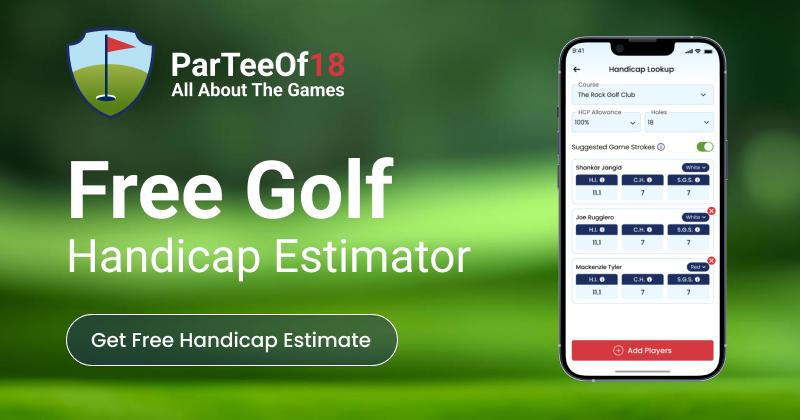
Golf is a game where every stroke counts, and understanding your true playing ability is crucial for improvement. While official handicaps provide a standardized measure, not every golfer has the time or resources to track scores meticulously. This is where a handicap estimator comes in — a simple yet powerful tool that helps golfers gauge their skill level, track progress, and make smarter decisions on the course.
In this guide, we’ll explain how a handicap estimator works, why it’s useful, and how it can genuinely transform your golf game. By the end, you’ll see why more golfers are relying on this tool to stay ahead in their game.
Understanding What a Handicap Estimator Is
A handicap estimator is a tool that calculates an approximate golf handicap using your recent scores and key performance stats. Unlike an official World Handicap System (WHS) index, which requires posting multiple rounds and following strict rules, a handicap estimator delivers instant results.
It provides quick insights into your playing ability, letting you understand where you stand without the need for formal scoring. This makes it particularly useful for beginners, casual golfers, or anyone returning to the game after a break.
In essence, a handicap estimator is a shortcut to understanding your skill level, without compromising on accuracy for casual or personal tracking.
How Handicap Estimators Work
Inputs That Shape Your Estimated Handicap
Handicap estimators rely on several key inputs to provide accurate estimates:
-
Total strokes per round
-
Fairways hit
-
Greens in regulation (GIR)
-
Number of putts per round
These stats allow the tool to assess your overall performance, identify patterns, and generate an approximate handicap. The more rounds and detailed stats you input, the more reliable your estimation becomes.
Algorithms and Course Adjustments
Modern handicap estimators use algorithms that mirror the WHS calculation method. They adjust your raw scores for course rating and slope, which ensures that your estimated handicap reflects the difficulty of the course played. For example, shooting a 90 on a highly challenging course might be equivalent to an 85 on an easier course.
This adjustment is crucial because it gives golfers a true sense of their ability, rather than just a raw score, and enables fair comparisons across different courses.
Why Every Golfer Should Use a Handicap Estimator
Instant Feedback on Your Game
One of the biggest advantages of a handicap estimator is the immediacy of feedback. You don’t need to wait for multiple rounds or an official index — the tool gives you an estimated handicap after just a few scores.
This is especially helpful for beginners who are still learning their game and want real-time insight into performance trends.
Tracking Improvement Over Time
Improvement in golf is all about progress tracking. A handicap estimator allows you to monitor short-term trends by comparing recent rounds.
Many digital estimators provide graphs or charts showing your improvement in areas like putting, driving, or GIR, making it easier to identify strengths and weaknesses. This level of insight encourages focused practice and faster development.
Planning Strategy for Different Courses
Not all golf courses are alike. Some favor long drives, while others reward accuracy and strategic shot placement. A handicap estimator helps you understand how you perform on different types of courses by factoring in slope and course rating adjustments.
This insight allows you to tailor your strategy, choosing where to take risks and where to play conservatively, ultimately lowering your scores.
Preparing for Tournaments and Events
Even if you don’t have an official handicap yet, a handicap estimator can help you gauge your competitiveness. By knowing your estimated level, you can enter events and leagues that match your skill, avoiding frustration and setting realistic expectations.
It’s also a confidence booster, helping you approach tournaments with a clear sense of what to expect.
Making Smarter In-Game Decisions
Golf isn’t just about skill — it’s about strategy. Knowing your estimated handicap allows you to make smarter decisions during play.
For example, if your estimated handicap shows that putting is your weakness, you might choose to aim for safer approaches rather than going for difficult birdie opportunities. This kind of informed decision-making improves overall scoring and course management.
Handicap Estimator vs. Official Handicap Index
Advantages and Limitations
Handicap Estimators:
-
Quick and easy to use
-
Good for personal tracking and casual play
-
No membership or official posting required
Official Handicap Index:
-
Required for tournament participation and recognized competition
-
Based on standardized WHS calculations
-
Provides a fair, validated measure of ability across courses
While estimators are convenient, they cannot replace an official index for competitive play. Instead, they complement the official system by providing ongoing insight between rounds and competitions.
When to Transition to an Official Handicap
Once you have a stable performance trend, or you plan to compete in official events, it’s wise to register for a GHIN or WHS handicap. This ensures your ability is recognized officially, and you can participate in tournaments fairly.
Even if you continue using a handicap estimator for personal tracking, having an official index gives you access to competitive play and a validated benchmark of your skill.
How to Use a Handicap Estimator Effectively
Using a handicap estimator is simple, but following best practices ensures accuracy and meaningful results:
-
Enter Your Scores: Input total strokes from recent rounds.
-
Provide Key Stats: Include fairways hit, GIR, and putts if available.
-
Input Course Data: Enter course rating and slope for accurate adjustment.
-
Review Your Estimated Handicap: Understand that it’s a guide, not an official number.
-
Track Trends Over Time: Update your scores regularly to see progress and adjust strategy.
By following these steps, you get a dynamic tool that evolves with your game, helping you make informed decisions on and off the course.
FAQs About Handicap Estimators
Q1: Are handicap estimators accurate?
Yes, especially if you input multiple rounds and detailed stats. Accuracy improves with more data.
Q2: Can I replace my official handicap with an estimator?
No. For tournaments and official competitions, an official WHS index is required.
Q3: Do estimators consider course difficulty?
Many modern tools do, adjusting your scores for slope and course rating to give a more accurate reflection of ability.
Key Benefits Recap
-
Provides instant insight into your playing ability
-
Tracks improvement trends over time
-
Helps plan strategies for different courses
-
Prepares you for tournaments and events
-
Improves in-game decision-making and course management
A Golf Handicap Estimator is a powerful companion for golfers seeking to understand their skills, track progress, and optimize their performance.
Conclusion
A handicap estimator is more than just a number; it’s a tool that can transform the way you approach golf. By providing instant feedback, tracking improvement, and guiding strategic decisions, it empowers golfers at every level to play smarter and enjoy the game more.
While it’s not a substitute for an official WHS handicap, it complements the system beautifully, bridging the gap between casual play and competitive participation.
Start using a handicap estimator today to gain insights, set goals, and take your golf game to the next level.

 English
 Arabic
 French
 Spanish
 Portuguese
 Deutsch
 Turkish
 Dutch
Dutch
 Russian
 Romaian
 Portuguese (Brazil)
 Greek
Greek