


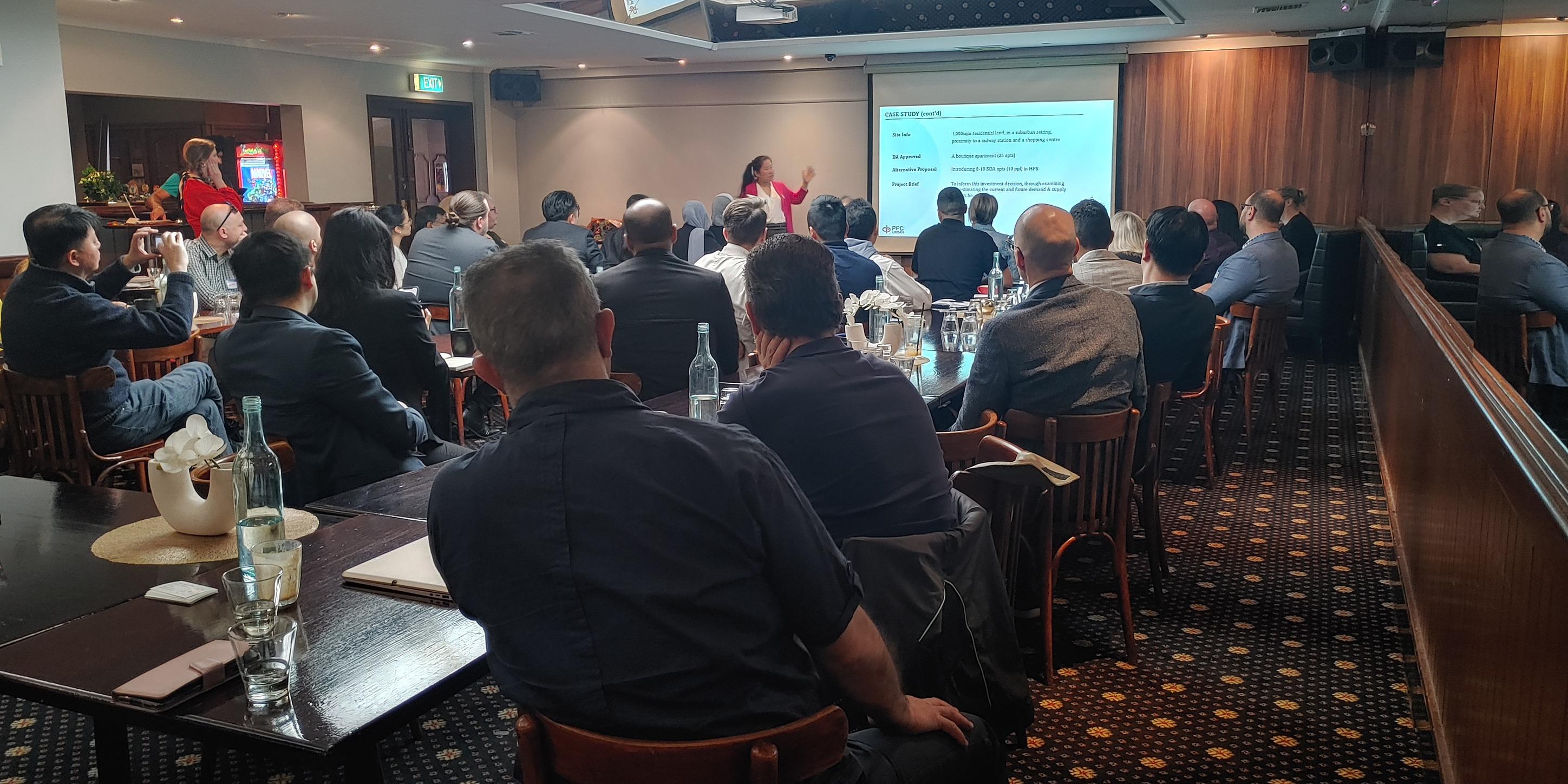
Town development planning is a critical process that shapes the growth and functionality of communities. It goes beyond constructing buildings or laying roads; it involves designing urban spaces that balance economic growth, environmental sustainability, and social well-being. Effective planning ensures that towns evolve cohesively, offering residents better quality of life while attracting business and investment. In this article, we will explore the principles, strategies, and benefits of comprehensive town development planning, providing insights for city planners, developers, and policymakers.
Understanding Town Development Planning
At its core, town development planning is a strategic approach to organizing urban growth. It encompasses zoning, land use, infrastructure development, and community services. Planners assess current conditions, anticipate future needs, and implement designs that encourage orderly expansion. Proper planning prevents haphazard growth, reduces traffic congestion, and minimizes environmental impact. It also enhances economic prospects by creating spaces that attract businesses, tourism, and investment.
Town development planning requires a thorough understanding of demographic trends, environmental factors, and socio-economic conditions. Urban planners collaborate with architects, engineers, environmental consultants, and local governments to create comprehensive plans that address both present and future requirements.
Key Principles of Effective Town Development
1. Sustainable Growth
Sustainability is central to modern urban planning. Towns must be designed to minimize environmental impact while maximizing social and economic benefits. Green spaces, energy-efficient infrastructure, and public transportation are essential components of sustainable growth.
2. Community Engagement
Involving residents in the planning process ensures that the development reflects the community’s needs and values. Public consultations, surveys, and workshops help planners understand local priorities and challenges.
3. Infrastructure Planning
A town’s infrastructure, including roads, utilities, and public services, must be scalable to accommodate future growth. Proper planning prevents overburdened systems and enhances the town’s overall efficiency.
4. Mixed-Use Development
Encouraging mixed-use zones, where residential, commercial, and recreational spaces coexist, promotes vibrant, active communities. Such areas reduce commuting times, foster local businesses, and improve social interaction.
5. Economic Viability
Effective town development planning considers economic sustainability. Areas must attract businesses, create employment opportunities, and maintain property values. Strategic planning can transform underutilized areas into thriving economic hubs.
Stages of Town Development Planning
1. Research and Analysis
This stage involves collecting data on population trends, environmental conditions, infrastructure capacity, and economic potential. Detailed analysis identifies opportunities and constraints that influence the planning process.
2. Visioning and Goal Setting
Planners establish a long-term vision for the town, outlining goals related to growth, sustainability, and community well-being. Clear objectives guide subsequent planning decisions.
3. Conceptual Planning
Planners create preliminary designs for land use, transportation networks, public spaces, and infrastructure. Conceptual plans offer a framework for detailed development and help stakeholders visualize the proposed changes.
4. Implementation Strategy
Implementation involves scheduling projects, allocating resources, and coordinating stakeholders. Town development plans must be flexible to adapt to changing conditions while maintaining alignment with overall objectives.
5. Monitoring and Evaluation
Ongoing monitoring ensures that the plan meets its objectives. Planners track development progress, assess environmental impacts, and adjust strategies as necessary to achieve long-term success.
Role of Technology in Town Development
Modern town development planning increasingly relies on technology. Geographic Information Systems (GIS) provide detailed mapping and spatial analysis, while simulation tools help predict traffic patterns and infrastructure needs. Smart city technologies, such as IoT-enabled monitoring systems, improve urban efficiency and sustainability. Integrating technology into planning ensures informed decision-making and enhances the town’s adaptability to future challenges.
Benefits of Thoughtful Town Development
Properly executed town development planning offers numerous benefits:
-
Improved Quality of Life: Residents enjoy safer, cleaner, and more organized communities.
-
Economic Growth: Strategic planning attracts investment and creates jobs.
-
Environmental Protection: Sustainable practices preserve natural resources and reduce pollution.
-
Community Cohesion: Well-designed public spaces and infrastructure foster social interaction and a sense of belonging.
-
Resilience: Towns are better prepared to handle population growth, climate change, and other unforeseen challenges.
Companies like PPC Urban play a significant role in supporting municipalities and developers by providing expert guidance in urban planning, ensuring projects meet modern standards of sustainability and efficiency.
Conclusion
Town development planning is more than a bureaucratic requirement—it is a strategic tool for building thriving, sustainable, and resilient communities. By applying principles of sustainability, community engagement, and economic viability, planners can create towns that meet both current and future needs. Leveraging technology and professional expertise, such as the services offered by PPC Urban, ensures that development projects are not only functional but also enhance the quality of life for residents. Thoughtful planning today lays the foundation for prosperous communities tomorrow.

 English
 Arabic
 French
 Spanish
 Portuguese
 Deutsch
 Dutch
Dutch
 Italiano
 Russian
 Romaian
 Portuguese (Brazil)
 Greek
Greek