


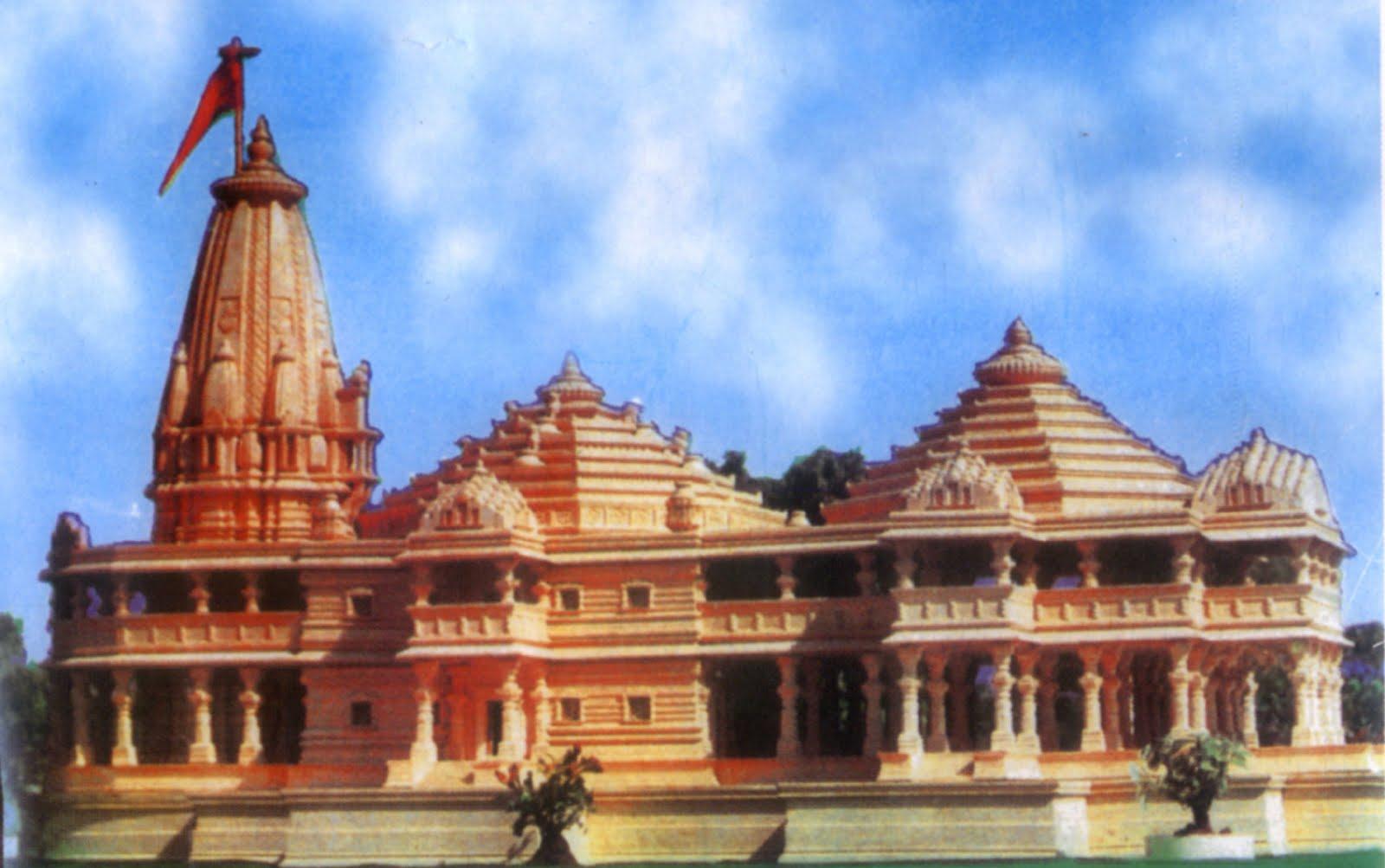
Ayodhya, one of the oldest cities in India, is deeply rooted in mythology, spirituality, and culture. Ayodhya Tourist Places attract millions of visitors every year, offering a blend of sacred temples, ghats, historical monuments, and vibrant festivals. Known as the birthplace of Lord Rama, Ayodhya is not just a pilgrimage destination but also a cultural hub that reflects India’s timeless heritage.
🌄 Introduction to Ayodhya
-
Located in Uttar Pradesh, Ayodhya lies on the banks of the sacred Sarayu River.
-
It is considered one of the seven most important pilgrimage sites in Hinduism (Sapta Puri).
-
The city is associated with the epic Ramayana and has been a center of devotion for centuries.
-
Today, Ayodhya is a blend of ancient traditions and modern development, making it a must-visit destination.
🛕 Famous Ayodhya Tourist Places
1. Ram Janmabhoomi Temple
-
The most significant site in Ayodhya, believed to be the birthplace of Lord Rama.
-
The newly constructed grand temple is a symbol of devotion and cultural pride.
-
Pilgrims from across the world visit to seek blessings and witness its majestic architecture.
2. Hanuman Garhi
-
A fortress-like temple dedicated to Lord Hanuman.
-
Located in the heart of the city, it requires climbing 76 steps to reach.
-
Devotees believe Hanuman guards Ayodhya, making this temple spiritually important.
3. Kanak Bhawan
-
A temple gifted to Goddess Sita by Queen Kaikeyi.
-
Known for its golden idols of Lord Rama and Sita.
-
The temple is beautifully decorated and holds immense religious significance.
4. Nageshwarnath Temple
-
Dedicated to Lord Shiva, believed to have been established by Kush, son of Lord Rama.
-
The temple is located near Ram Ki Paidi and is a popular site during Shivratri.
5. Treta Ke Thakur
-
A temple housing idols of Lord Rama, Sita, Lakshmana, Hanuman, and others.
-
Believed to mark the spot where Lord Rama performed the Ashwamedha Yajna.
6. Ram Ki Paidi
-
A series of ghats along the Sarayu River.
-
Pilgrims take holy dips here, especially during festivals.
-
The evening aarti at the ghats is a mesmerizing experience.
7. Mani Parvat
-
A hillock offering panoramic views of Ayodhya.
-
Associated with the legend of Hanuman carrying the Sanjeevani mountain.
-
Houses temples and shrines dedicated to various deities.
8. Guptar Ghat
-
Located on the banks of the Sarayu River.
-
Believed to be the place where Lord Rama took jal samadhi and left for his heavenly abode.
-
A peaceful spot for meditation and reflection.
9. Tulsi Smarak Bhawan
-
Built in memory of Goswami Tulsidas, author of Ramcharitmanas.
-
Houses a library, museum, and cultural center.
-
Regular recitations and performances of Ramayana are held here.
10. Ayodhya Research Centre
-
A cultural hub promoting studies on Ramayana and Ayodhya’s heritage.
-
Hosts exhibitions, seminars, and cultural programs.
🌿 Other Notable Attractions
-
Sita Ki Rasoi: Believed to be the kitchen of Goddess Sita.
-
Bahu Begum Ka Maqbara: A Mughal-era monument showcasing Indo-Islamic architecture.
-
Chhoti Devkali Temple: Dedicated to Goddess Kali, visited by devotees year-round.
-
Raj Sadan: A palace reflecting Ayodhya’s royal heritage.
🏞️ Spiritual Significance of Ayodhya
Ayodhya is not just about temples—it is a spiritual experience.
-
The city is mentioned in ancient scriptures like the Ramayana, Mahabharata, and Atharva Veda.
-
It is considered a gateway to liberation (moksha).
-
Festivals like Ram Navami, Diwali, and Chhath Puja are celebrated with grandeur.
🧭 Cultural Heritage
-
Festivals: Ayodhya hosts Deepotsav, where millions of lamps are lit along the Sarayu River.
-
Arts & Crafts: Local artisans create idols, handicrafts, and Ramayana-inspired artworks.
-
Cuisine: Traditional vegetarian food, sweets like laddoos and peda, and street snacks enrich the experience.
🚗 How to Reach Ayodhya
-
By Air: Maharishi Valmiki International Airport connects Ayodhya to major cities.
-
By Rail: Ayodhya Junction and Faizabad Junction are the nearest railway stations.
-
By Road: Well-connected highways link Ayodhya to Lucknow, Varanasi, and other cities.
📅 Best Time to Visit
-
Winter (October–March): Pleasant weather, ideal for sightseeing.
-
Summer (April–June): Hot, but festivals like Ram Navami attract devotees.
-
Monsoon (July–September): Lush greenery, though occasional flooding may occur.
🏡 Accommodation Options
-
Luxury hotels near the temple complex.
-
Budget lodges and guesthouses for pilgrims.
-
Dharamshalas and ashrams offering simple stays.
-
Modern resorts for tourists seeking comfort.
🧭 Travel Tips for Ayodhya Tourist Places
-
Dress modestly while visiting temples.
-
Respect local traditions and avoid littering.
-
Participate in evening aarti at Ram Ki Paidi for a spiritual experience.
-
Book accommodations in advance during festivals.
-
Explore local markets for souvenirs and handicrafts.
🌟 Conclusion
Ayodhya Tourist Places are not just destinations—they are experiences that connect travelers to India’s spiritual and cultural roots. From the grandeur of Ram Janmabhoomi Temple to the serenity of Guptar Ghat, every corner of Ayodhya tells a story of devotion, heritage, and timeless traditions. Whether you are a pilgrim, a history enthusiast, or a traveler seeking peace, Ayodhya welcomes you with open arms and unforgettable memories.

 English
 Arabic
 French
 Spanish
 Portuguese
 Deutsch
 Turkish
 Dutch
Dutch
 Italiano
 Romaian
 Portuguese (Brazil)
 Greek
Greek