


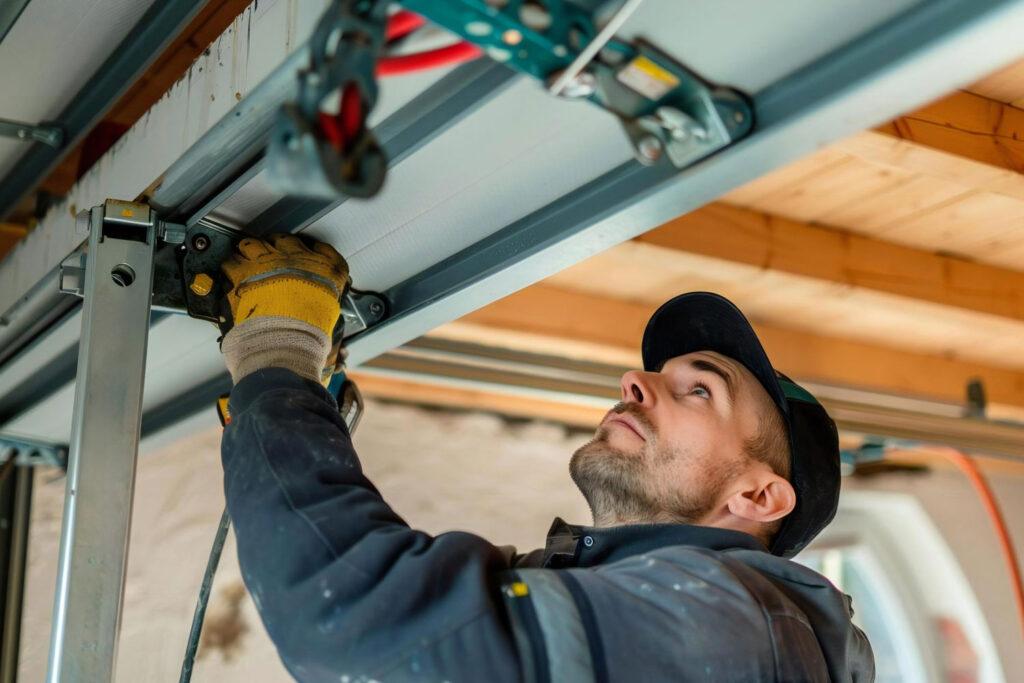
If you’re like most Australian homeowners, your garage door is one of those things you barely notice… until it starts making noises that sound like a dinosaur coughing. The truth is simple: Garage Door Service isn’t something you schedule when things break. It’s what keeps things from breaking in the first place.
This post answers the big question homeowners search for every year: How often do you really need Garage Door Service to avoid unexpected breakdowns, safety issues, and expensive repairs? We’ll break down expert recommendations, signs you shouldn’t ignore, and how servicing schedules change with climate and usage.
By the end, you’ll have a clear, practical guide that helps you plan your Garage Door Service like a pro.
Quick Overview: Key Takeaways at a Glance
To save you scrolling:
-
Most homes in Australia should schedule Garage Door Service once every 12 months.
-
Heavy-use doors or harsh climates (coastal or hot inland areas) may need servicing every 6 months.
-
Early signs like jerky movement, grinding noises, or slow response time mean you should book sooner.
-
Servicing helps avoid breakdowns, protects your opener, and improves safety.
-
A little maintenance now is far cheaper than spring replacement later.
Want to dive deeper and understand the “why” behind each answer? Keep reading!
How Often Should You Really Service Your Garage Door?
1. The Standard Rule: Every 12 Months
Industry experts in Australia generally recommend annual Garage Door Service. This yearly schedule aligns with typical residential use and helps technicians catch issues early.
A standard service usually includes:
-
Lubricating rollers, hinges, and springs
-
Balancing the door
-
Checking cable tension
-
Testing the auto-reverse safety system
-
Inspecting weather seals
-
Tightening loose hardware
This “tune-up” is enough for most households and keeps the door running quietly and reliably.
2. When You Should Service Every 6 Months
Not every garage door gets the luxury of light use. Some need a little extra love.
You fall into the 6-month category if:
-
Your garage door is your main entry point (common in Australia).
-
You have a double garage that opens multiple times a day.
-
You live in a coastal area, where salt accelerates corrosion.
-
You live in a hot climate (e.g., parts of WA, Queensland, NT) where heat affects springs and rollers.
-
You run a home workshop and open the door frequently.
Pro Tip: If you hear the door complaining before you do, your servicing timetable is too slow.
3. Do Garage Doors in Australia Wear Out Faster?
Short answer: sometimes, yes.
Australia’s environment is… dramatic. One month it’s salt, the next it’s dust storms, then comes 42°C heat that feels like stepping into a toaster.
These conditions affect your door:
-
Coastal regions: salt corrodes metal components.
-
Hot regions: metal expands, stressing springs.
-
Dusty or rural areas: rollers and tracks clog faster.
-
Storm-prone regions: wind pressure loosens brackets and fasteners.
All this means Garage Door Service is more important in Australia than in many other countries.
Did You Know?
A garage door spring cycles thousands of times a year. When untreated, heat shortens its life almost by half.
4. The Signs Your Garage Door Needs Service Now
You know how your car tells you something’s wrong by making a noise that definitely wasn’t there yesterday? Garage doors do the same thing.
Call a technician ASAP if you notice:
-
Loud grinding or squeaking sounds
-
Jerky or uneven movement
-
A slow opening/closing speed
-
The door reversing for no reason
-
Loose or sagging cables
-
Remote response delays
-
The door feels heavier when operating manually
Bold truth:
If you wait until something breaks, you’re already paying more than you would have with regular Garage Door Service.
5. What Happens During a Professional Service?
A proper service is more than just spraying WD-40 (please don’t do that).
Technicians typically check:
Springs & Tension
Ensuring the door is balanced so the opener doesn’t strain.
Rollers & Hinges
These parts wear down fast if ignored.
Tracks
Any bending or debris affects the smooth motion.
Opener Motor
Checking gears, belts, and electrical health.
Safety Systems
Auto-reverse systems prevent dangerous accidents.
Weatherstripping & Seals
Improves insulation and keeps out pests.
A good service is like a full health check, but for your garage door.
6. Why Regular Service Saves You Money
Many homeowners assume servicing is optional. Then the spring snaps, the opener burns out, and suddenly they’re spending hundreds more.
Regular Garage Door Service prevents:
-
Emergency repairs
-
Premature spring replacement
-
Motor burnout
-
Damaged rollers
-
Track misalignment
-
Safety failures
Think of servicing like dental cleaning: skip too many and something expensive starts hurting.
Quick Guide: When Your Garage Door Starts Acting Up
The Situation
You hit the remote. The door starts moving like it’s had a long week. Maybe it shakes, maybe it groans, maybe it just looks… tired.
Common Challenges
-
Does your door make strange noises?
-
Is it slowing down over time?
-
Does it refuse to close completely unless you try two or three times?
How to Solve It
1. Test the Balance
Disconnect the opener and lift the door halfway.
If it drops, you need spring adjustment.
2. Inspect the Tracks
Look for dents, dust buildup, or misalignment.
3. Check the Safety Sensors
Make sure nothing is blocking them and the lights are solid.
4. Call for Professional Garage Door Service
If the door still misbehaves, a trained technician can pinpoint the issue before it worsens.
Why It Works
These steps identify the most common issues. Fixing them early reduces strain on the opener and prevents full breakdowns.
Interactive Section: Quick Quiz — Do YOU Need Garage Door Service?
Answer honestly:
1. Do you use your garage door more than 4 times a day?
-
Yes
-
No
2. Has it been more than a year since your last service?
-
Yes
-
No
3. Do you hear any rattling, squeaking, or grinding?
-
Yes
-
No
4. Is your home near the coast or in a hot climate?
-
Yes
-
No
5. Does your garage door feel heavier than usual?
-
Yes
-
No
If you answered “Yes” to two or more — you’re overdue for Garage Door Service.
FAQs About Garage Door Service in Australia
1. Is annual servicing enough for all garage doors?
Usually, yes. But if your door is used heavily, exposed to coastal air, or showing early signs of wear, servicing every 6 months is safer.
2. Can I service my garage door myself?
You can clean tracks and lubricate rollers, but never attempt spring or tension adjustments. Springs carry huge force and can cause serious injury.
3. How long does professional Garage Door Service take?
Most appointments take 30–60 minutes, depending on the door’s condition.
4. Is Garage Door Service expensive?
A standard service is generally affordable. Repairs only get costly when issues are ignored.
5. Why is my garage door noisy again after I lubricated it?
Noise often comes from parts that lubrication can’t fix, like loose hinges, worn rollers, or spring imbalance. That’s when you need a service.
Conclusion
A garage door might seem simple, but it’s one of the hardest-working systems in your home. Scheduling Garage Door Service yearly — or every six months for heavier use — helps you avoid breakdowns, stay safe, and extend the lifespan of your door and opener.
A small amount of maintenance now saves a big headache later. And if your door is already making suspicious noises… well, it’s definitely trying to tell you something.

 English
 Arabic
 French
 Spanish
 Portuguese
 Deutsch
 Turkish
 Dutch
Dutch
 Italiano
 Russian
 Romaian
 Portuguese (Brazil)