


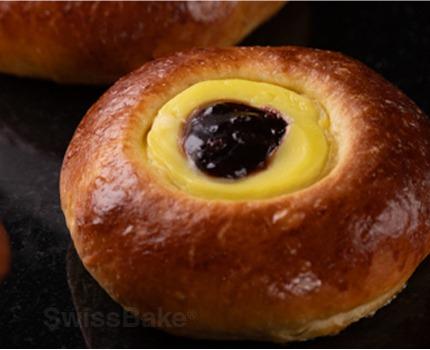
Balancing richness and fluffiness in brioche is one of the most rewarding skills in the baking world. Professionals work with precise methods, fine-tuned dough behaviour, and dependable ingredients to create a product that feels soft, airy, and indulgent at the same time. While brioche is known for its high butter and egg content, the real craft lies in turning these rich elements into a dough that still lifts beautifully.
This guide takes a close look at how experts can bring both qualities together with confidence, using thoughtful techniques and reliable ingredient choices that support consistent production.
What Makes Brioche Unique?
Before getting into the balance of richness and fluffiness, it’s important to understand the nature of brioche itself. Professionals know brioche as a dough that sits between bread and pastry. It carries the structure of yeast-based dough yet delivers the soft bite usually associated with enriched products.
Two main characteristics define brioche:
1. High-Fat Content
Butter and eggs give brioche its signature richness, sheen, and flavour. These ingredients play a major role in the final taste as well as the internal crumb.
2. Light and Airy Crumb
Despite being rich, brioche is prized for its airy lift. The dough must rise properly, retain gas, and develop a gentle structure.
The challenge lies in controlling the tension between these two traits without losing quality.
How Professionals Build Fluffiness in a Rich Dough
Getting brioche to rise well requires paying attention to key steps in the process. These techniques help create the soft internal texture that professionals look for.
Use Strong, High-Quality Flour
A protein level that supports gluten development is crucial. Rich doughs need strength to carry fats, sugars, and added liquids. A balanced flour also helps maintain consistent dough behaviour across batches.
Hydration and Dough Temperature
Every stage of the process responds to temperature. Professionals often maintain a cool dough during mixing so that butter remains stable. Controlled hydration helps gluten form without weakening the dough.
Steady and Gradual Mixing
Rich doughs need time to build structure. Mixing too fast or too early can cause the butter to break into the gluten network before it is strong enough. A staged approach, where fats are added only after gluten develops, gives the dough a chance to form proper elasticity.
Extended Fermentation
Long fermentation encourages flavour and helps the dough relax. A slow rise supports better gas retention, leading to a fluffy crumb and even pores.
How Richness Plays Its Role in Brioche
Fluffiness alone cannot define brioche. Butter, eggs, and sugar come together to deliver its signature mouthfeel. Professionals treat each rich ingredient as a functional component, not just a flavour addition.
Butter
Butter contributes fragrance, tenderness, and softness. The technique lies in adding it once the dough reaches the right strength. This step helps the dough stretch without tearing.
Eggs
Eggs improve colour, texture, and stability. They add moisture but also contribute to structure through proteins.
Sugar
Sugar helps with browning and gives brioche a slight sweetness. It also attracts moisture, supporting softness over time.
Together, these ingredients create richness. The balance comes from shaping this richness into a dough that still lifts gracefully.
Where Brioche Bread Mix Helps Professionals
Modern professionals often work with production timelines, batch uniformity, and clear flavour expectations. A dependable Brioche bread mix can provide consistency by giving a stable base across all batches. With a balanced formulation, teams can focus on technique while trusting the mix to deliver dependable results.
Using a high-quality Brioche bread mix also helps maintain structure in rich doughs, as the mix is designed to support elasticity, fermentation, and final crumb texture without fluctuations.
Professionals choose mixes for several reasons:
-
Predictable dough behaviour
-
Stable flavour profile across production cycles
-
Better efficiency in high-volume baking
-
Support for staff training and standardisation
A well-designed mix brings structure while allowing butter and eggs to shine naturally.
Strategies That Bring Both Qualities Together
Achieving the perfect balance takes technique, awareness, and practical decisions in every stage of preparation. Here are approaches that many professionals rely on.
1. Temperature Control at Every Step
Temperature shapes everything in enriched doughs. Professionals often work with chilled ingredients to maintain stability. A warm environment can cause the butter to lose structure too quickly.
Ideal steps include:
-
Keeping the dough cool during early mixing
-
Allowing a controlled rise
-
Maintaining steady storage conditions
Consistency in temperature helps both fluffiness and richness develop harmoniously.
2. Laminating Butter Correctly (When Required)
Some brioche variations benefit from light lamination to add layers without turning it into a pastry. Proper lamination introduces pockets of lightness while keeping the dough rich and soft. Even partial layering can enhance the experience without compromising the signature softness of brioche.
3. Allowing the Dough to Rest
Resting the dough after mixing relaxes gluten and helps distribute fats evenly. Professionals often include:
-
A rest after mixing
-
A rest after bulk fermentation
-
A rest after shaping
These pauses contribute to a well-structured crumb that still feels soft.
4. Shaping for Even Expansion
Consistent shaping supports uniform lifting during baking. Professionals understand how dough tension affects gas retention. A smooth, firm surface encourages even rise, leading to a lighter texture.
5. Baking with Precision
Baking temperatures influence the final texture. A slightly lower baking temperature allows the inside to rise fully without the exterior browning too fast. Timing should be adjusted based on:
-
Dough size
-
Dough structure
-
Ingredient richness
A balanced bake supports softness while protecting the butter-rich flavour.
Why Brioche Demands Professional Expertise
Brioche sits at the intersection of bread science and pastry technique. Professionals are uniquely positioned to handle the dough because they understand the behaviour of fats and gluten. The final product reflects precision, technique, and experience.
Whether preparing large batches for service or creating signature brioche products, the goal remains the same: a soft, airy crumb within a rich, tender structure.
The use of a dependable Brioche bread mix gives professionals a steady foundation, but the craft still rests in their hands.
Practical Tips for Consistent Results
-
Use strong flour with good gluten strength
-
Add butter gradually and only after gluten forms
-
Keep dough temperature cool through mixing
-
Maintain slow fermentation
-
Shape carefully for even rise
-
Bake at a temperature suited to enriched doughs
These small decisions create noticeable differences in the final product.
Final Thoughts: The Harmony of Texture and Flavour
Brioche is a product of balance. Professionals understand how richness and fluffiness must complement each other rather than compete. With mindful mixing, careful fermentation, precise shaping, and thoughtful ingredient choices, brioche can reach its full potential soft, indulgent, and light all at once.
The craft continues to evolve, but the focus remains steady: bringing the beauty of richness and fluffiness into one harmonious loaf.

 English
 Arabic
 French
 Spanish
 Portuguese
 Deutsch
 Turkish
 Dutch
Dutch
 Italiano
 Romaian
 Portuguese (Brazil)
 Greek
Greek