


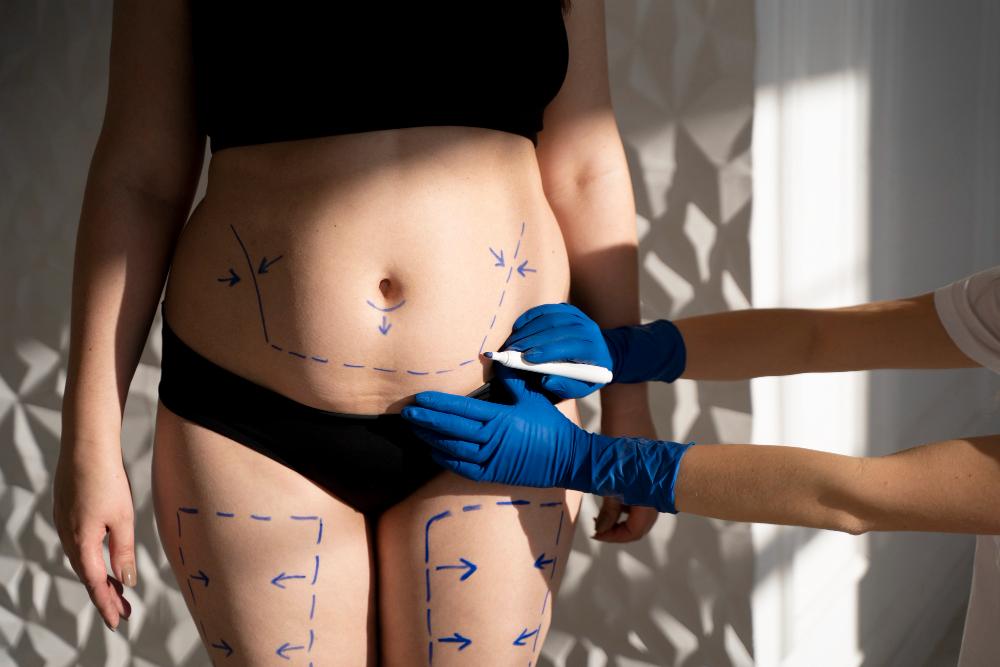
Liposuction is a widely chosen body contouring procedure that helps remove stubborn fat pockets from specific areas of the body. Many individuals turn to this treatment when regular exercise and a balanced diet are not enough to achieve the shape they want. While the procedure is well known, the outcome depends on many important factors. Each person’s health, lifestyle, and body characteristics influence not only the final result but also the recovery experience.
Understanding these factors allows individuals to prepare better and approach the procedure with a clear and realistic perspective. This guide explains the major elements that contribute to the success of liposuction and the key considerations during recovery.
The Role of Individual Health
General health is one of the strongest indicators of how well someone may respond to liposuction. Surgeons evaluate blood pressure, blood sugar levels, heart function, lung capacity, and overall fitness before recommending the procedure. Individuals with stable health conditions usually recover more smoothly.
Lifestyle habits also matter. Smoking can slow healing and affect circulation, which may increase the risk of complications. Surgeons often advise patients to stop smoking weeks before surgery. Good hydration, balanced nutrition, and proper sleep support the body’s healing process and contribute to better outcomes.
Skin Quality and Elasticity
Liposuction removes fat, but it does not tighten loose skin. Skin elasticity plays a major role in achieving smooth and natural contours after surgery. When the skin has good elasticity, it can adapt more easily to the body’s new shape.
However, if the skin is thin or sagging because of age, weight changes, or pregnancy, there may be some wrinkling or looseness after fat removal. In such cases, surgeons may suggest combining liposuction with a skin tightening procedure for a more refined result. Understanding skin quality helps set realistic expectations.
The Volume of Fat Removed
The amount of fat removed during liposuction directly affects both the results and the healing process. Removing moderate volumes typically creates natural-looking improvements. Removing excessive amounts at once may increase the likelihood of contour irregularities or skin unevenness.
Experienced surgeons follow safe guidelines for fat removal to protect the body’s balance and long-term comfort. The goal is always thoughtful contouring instead of dramatic changes. This approach supports safety and helps patients achieve a refined and natural silhouette.
The Technique Used During Surgery
Liposuction can be performed using different techniques, and the choice depends on the treatment area, the density of fat, and the patient’s goals. Common approaches include tumescent liposuction, ultrasound assisted liposuction, laser assisted liposuction, and power assisted liposuction.
Each technique offers its own advantages in terms of fat removal precision and patient comfort. However, the technique alone does not determine success. The surgeon’s skill and judgment are just as important. Individuals considering liposuction in Hyderabad often look for clinics that maintain high standards of training and use updated equipment.
Surgeon’s Experience and Preoperative Planning
A well-planned procedure leads to better results. Surgeons assess body proportions, examine fat distribution, and identify suitable treatment areas before creating a personalized treatment plan. They discuss expectations, explain potential limitations, and help individuals understand what can realistically be achieved.
Specialists with experience in body contouring techniques understand how to maintain smooth transitions between treated and untreated areas, which is essential for natural results. Clinics like The New You follow detailed planning and patient-focused care to support balanced outcomes.
Preparation Before Surgery
Preparation plays a meaningful role in shaping the recovery experience. Surgeons generally provide preoperative instructions such as avoiding certain medications, staying hydrated, and maintaining a simple and nutritious diet. Patients may need to arrange support at home during the early days of recovery and prepare a comfortable resting area.
Following preoperative guidelines helps reduce complications and creates favorable conditions for healing. Patients who stay committed to these instructions often experience more predictable recovery timelines.
Importance of Compression Garments and Aftercare
Compression garments are essential after liposuction. They help control swelling, support the tissues, and guide the skin to settle properly over the treated areas. Wearing the garment consistently during the early weeks can significantly improve comfort and support smoother results.
Postoperative care also includes light walking to improve circulation, avoiding heavy lifting, keeping incisions clean, and attending scheduled follow-up visits. Surgeons provide clear instructions regarding medication, movement, and activity restrictions. Careful attention during the early recovery phase contributes strongly to long-term results.
Body’s Natural Healing Process
Each body heals at its own pace. Factors such as age, hydration levels, nutritional habits, sleep quality, and stress influence recovery speed. Swelling and minor bruising are expected after liposuction and generally improve over several weeks. While some improvements appear early, final results can take several months as swelling completely settles.
Patience is important during this period. The body needs time to adjust and refine the new contours. Understanding the healing timeline supports positive expectations and reduces unnecessary concern during the process.
Maintaining Weight After Surgery
Weight stability plays a vital role in preserving liposuction results. Although the fat cells removed during surgery do not return, remaining fat cells can increase in size if weight is gained. Significant weight fluctuations may change the appearance of treated areas and affect overall body balance.
Patients who maintain a stable weight through a balanced diet and regular physical activity enjoy longer-lasting results. Consistent lifestyle habits support overall well-being and help preserve body contour.
Conclusion
The success and recovery of liposuction depend on several interconnected factors, including health, skin quality, surgical planning, aftercare, and long-term lifestyle habits. Individuals considering liposuction in Hyderabad should choose trained professionals, understand the procedure’s capabilities, and prepare for a steady recovery process. With proper guidance, thoughtful preparation, and realistic expectations, liposuction can help refine body shape and improve comfort in everyday life.
Frequently Asked Questions
Q.1 How long does swelling last after liposuction?
Swelling usually improves within a few weeks, but subtle swelling may take several months to disappear completely.
Q.2 Is liposuction suitable for weight loss?
No. Liposuction targets stubborn fat pockets and shapes specific areas, but it is not intended for weight reduction.
Q.3 When can I return to regular exercise?
Light walking is encouraged early, but strenuous activity should wait until the surgeon provides clearance.
Q.4 Do results last permanently?
Results can last long term if weight remains stable and healthy habits are followed.
Q.5 Can liposuction treat loose skin?
Liposuction removes fat, not loose skin. Additional procedures may be recommended if skin tightening is needed.

 English
 Arabic
 French
 Spanish
 Portuguese
 Deutsch
 Turkish
 Dutch
Dutch
 Italiano
 Russian
 Romaian
 Portuguese (Brazil)