


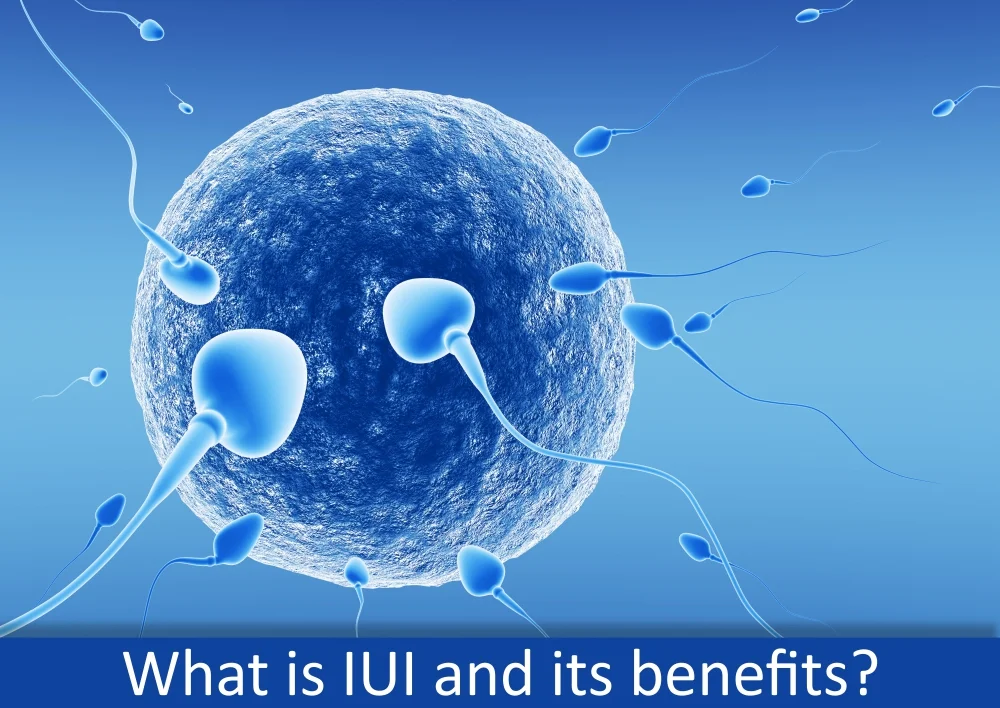
When couples or individuals face challenges in conceiving, fertility treatments can offer renewed hope. One such treatment that is often recommended as an early intervention is Intrauterine Insemination, commonly known as IUI. For many patients, IUI represents a simpler, less invasive, and more affordable option compared to advanced assisted reproductive techniques.
Understanding how IUI works, its benefits, and who it is best suited for can help you decide whether this treatment aligns with your fertility journey. This guide aims to provide clarity and confidence, especially for those exploring fertility treatment for the first time.
What Is IUI Treatment?
Intrauterine Insemination (IUI) is a fertility treatment where processed and concentrated sperm is directly placed into the uterus around the time of ovulation. This process increases the chances of sperm reaching the egg by bypassing potential barriers in the cervix and shortening the distance sperm must travel.
IUI may be performed during a natural cycle or combined with fertility medications that stimulate ovulation. The treatment is carefully timed using ultrasound scans and hormone monitoring to ensure optimal conditions for fertilization.
How IUI Treatment Works Step by Step
The IUI process follows a structured and well-monitored approach. It typically begins with ovulation tracking, either naturally or with the help of medications. Ultrasound scans help monitor follicle development, while blood tests may be used to track hormone levels.
Once ovulation is imminent, a semen sample is collected and processed in the laboratory to separate healthy, motile sperm. The prepared sperm is then inserted directly into the uterus using a thin catheter. The procedure is quick, usually painless, and does not require anesthesia.
After the procedure, patients can resume normal activities almost immediately.
Key Benefits of IUI Treatment
One of the primary benefits of IUI is its simplicity. Compared to other fertility treatments, it is less invasive and involves fewer medications. This makes it a comfortable option for many patients, both physically and emotionally.
IUI is also more affordable than treatments like IVF, making it accessible to a wider range of individuals. The reduced cost, combined with minimal medical intervention, makes IUI a practical first step for many couples.
Additionally, the treatment carries a lower risk of complications, such as ovarian hyperstimulation, especially when carefully monitored by a fertility specialist.
Who Can Benefit Most From IUI?
IUI is commonly recommended for couples experiencing unexplained infertility, mild male factor infertility, or cervical-related fertility issues. It may also be suitable for women with ovulation-related concerns that can be managed with medication.
Single women or same-sex couples using donor sperm may also find IUI to be an effective option. In such cases, the treatment provides a straightforward way to achieve pregnancy without more complex procedures.
However, IUI may not be ideal for individuals with severe tubal damage, advanced endometriosis, or significantly reduced ovarian reserve.
IUI and Ovulation Disorders
Ovulation disorders are a frequent cause of infertility. Conditions such as irregular ovulation or hormonal imbalances can reduce the chances of natural conception. IUI, when combined with ovulation-inducing medications, can significantly improve timing and success rates.
Women diagnosed with PCOS Treatment in Chandigarh often benefit from IUI as part of their fertility management plan. By regulating ovulation and ensuring timely insemination, IUI helps overcome one of the primary challenges associated with this condition.
When Is the Right Time to Choose IUI?
Deciding when to proceed with IUI depends on multiple factors, including age, duration of infertility, diagnosis, and previous treatment history. Doctors often recommend IUI after basic fertility evaluations have been completed and less invasive methods have not resulted in pregnancy.
For younger women with good ovarian reserve and mild fertility concerns, IUI may be attempted for several cycles before considering advanced treatments. In contrast, for women over 35, the window for trying IUI may be shorter due to age-related fertility decline.
A personalized approach ensures that treatment decisions align with your specific circumstances.
Success Rates and What to Expect
IUI success rates vary based on age, fertility diagnosis, and treatment protocol. On average, success rates per cycle range from 10 to 20 percent. While these numbers may seem modest, cumulative success rates increase over multiple cycles.
It is important to maintain realistic expectations and understand that IUI may require more than one attempt. Your fertility specialist will guide you on the recommended number of cycles before reassessing the treatment plan.
Emotional Considerations During IUI Treatment
Even though IUI is less complex than other fertility treatments, it can still be emotionally demanding. The anticipation, waiting periods, and uncertainty can create stress and anxiety.
Maintaining open communication with your partner, seeking counseling if needed, and staying informed can help manage emotional challenges. Many patients find reassurance in understanding that IUI is a supportive step rather than a final measure.
Emotional well-being plays a crucial role in navigating the fertility journey.
Choosing the Right Fertility Clinic
The success of IUI depends greatly on accurate diagnosis, precise timing, and experienced medical care. Selecting a clinic that offers individualized treatment plans and transparent communication is essential.
A trusted center for IUI Treatment in Chandigarh can provide advanced monitoring, experienced specialists, and compassionate support throughout the process. Feeling confident in your medical team allows you to focus on your journey with greater peace of mind.
How IUI Fits Into a Larger Fertility Plan
IUI is often part of a broader fertility strategy. For some patients, it serves as a successful standalone treatment. For others, it becomes a stepping stone toward advanced options such as IVF if needed.
Understanding where IUI fits into your overall plan helps reduce fear of the unknown. It ensures that each step is taken thoughtfully, based on evidence and personal circumstances rather than pressure or assumptions.
Common Myths About IUI Treatment
There are several misconceptions surrounding IUI. Some believe it guarantees pregnancy, while others think it is ineffective. In reality, IUI is a scientifically supported treatment with defined success rates that vary from person to person.
Another common myth is that bed rest is required after the procedure. In most cases, patients can resume normal activities the same day, following their doctor’s guidance.
Clearing these myths helps patients approach treatment with confidence and clarity.
Final Thoughts
IUI treatment offers a balanced combination of simplicity, affordability, and effectiveness for many individuals facing fertility challenges. By enhancing natural processes and providing precise timing, it increases the chances of conception without the complexity of advanced procedures.
Understanding the benefits of IUI and knowing when it is right for you can empower you to take the next step with confidence. With the right medical guidance and emotional support, IUI can be a meaningful part of your journey toward parenthood.

 English
 Arabic
 French
 Spanish
 Portuguese
 Deutsch
 Turkish
 Dutch
Dutch
 Italiano
 Romaian
 Portuguese (Brazil)
 Greek
Greek