


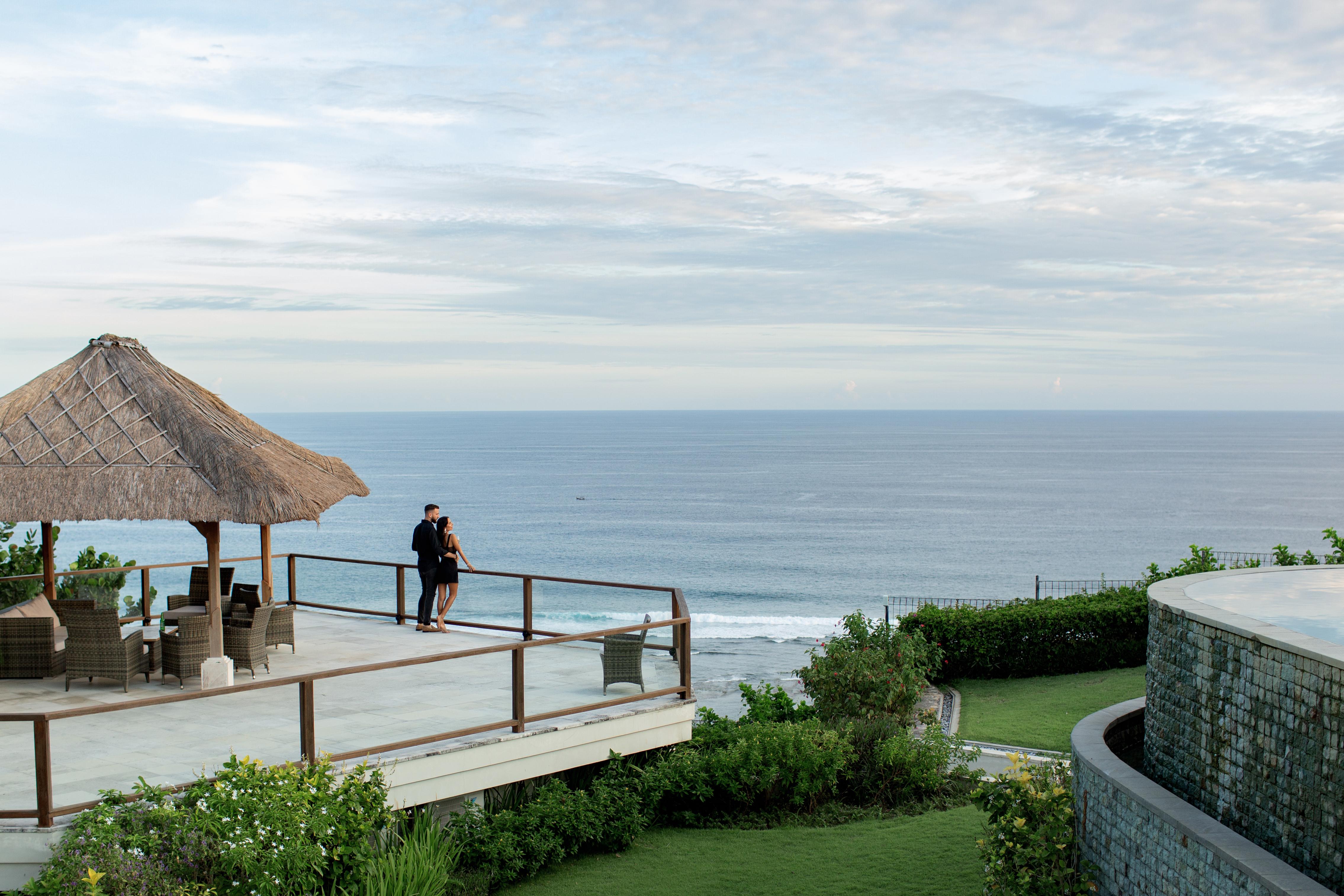
When planning a tropical getaway, one of the most crucial decisions you’ll face is choosing the location of your accommodation. Many resorts and vacation spots offer the allure of either a lagoonside or oceanside stay. Both options promise beautiful views, relaxing atmospheres, and access to water activities, but the experiences they offer can differ dramatically. If you’re wondering which to choose for your next adventure, whether it’s your first trip to an island or a return visit to your favorite getaway, this guide will help you weigh the options and make an informed decision. After all, selecting the right setting is a key part of planning the perfect vacation, especially when deciding which island to visit.
Understanding the Difference: Lagoonside vs. Oceanside
Before delving into the pros and cons of each, it’s helpful to understand what makes lagoonside and oceanside accommodations distinct.
-
Lagoonside: These properties are typically situated along calm, sheltered bodies of water. Lagoons are often separated from the open sea by natural barriers such as sandbanks or coral reefs. This creates a tranquil environment with gentle water conditions, making lagoonside stays ideal for relaxed swimming, paddleboarding, or kayaking.
-
Oceanside: As the name suggests, oceanside properties are directly on the oceanfront. They offer expansive views of the horizon and direct access to open water. Oceanside stays often come with the sounds of crashing waves, a feeling of endless space, and the opportunity for more adventurous water activities such as surfing, snorkeling, or deep-sea fishing.
While both settings promise beautiful scenery, the type of experience you’re seeking should guide your choice.
Factors to Consider When Choosing Your Stay
To make the best decision between lagoon-side and oceanside accommodations, consider the following factors:
1. Water Activities
The type of water activities you enjoy can heavily influence your choice.
-
Lagoonside: Calm waters are perfect for leisurely swimming, paddleboarding, kayaking, and even snorkeling in some areas. If you’re traveling with children or prefer a serene, low-risk environment, lagoonside accommodations provide a safe and relaxed atmosphere.
-
Oceanside: Oceanfront stays offer easy access to surfing, kiteboarding, scuba diving, and deep-sea fishing. Waves and tides are more prominent, creating opportunities for adventurous activities. However, the stronger currents may not be ideal for inexperienced swimmers or young children.
2. Privacy and Seclusion
Privacy can be a significant factor, especially for honeymooners, couples, or travelers seeking tranquility.
-
Lagoonside: The calm and often enclosed nature of lagoons means fewer crowds. You’re more likely to have private swimming areas or quiet spots along the water, making it a haven for relaxation and reflection.
-
Oceanside: While ocean views can be breathtaking, beaches may be busier, especially at popular resorts. However, some high-end resorts offer private stretches of oceanfront property, blending the best of both privacy and panoramic views.
3. Scenic Views
Visual appeal is another consideration.
-
Lagoonside: The scenery is serene and often characterized by lush vegetation, calm water reflecting the sky, and colorful marine life in shallow waters. Sunsets over a lagoon can be mesmerizing, offering a sense of intimacy and peace.
-
Oceanside: The ocean offers a vast, open panorama that can feel freeing and invigorating. Waves crashing against the shore, endless horizons, and dramatic sunrise and sunset views make oceanside accommodations visually striking.
4. Noise Levels
The sounds around your accommodation can impact your comfort and relaxation.
-
Lagoonside: Expect a quieter, more soothing environment. The still water and surrounding greenery often create a natural sound barrier, with only the gentle lapping of water or occasional bird calls.
-
Oceanside: The ocean’s power brings constant sound. While some travelers find the rhythmic crashing of waves calming, others may find it too loud, especially in stormy weather. It’s worth checking if the property offers soundproofing or quieter areas.
5. Accessibility and Convenience
Consider how easy it is to reach the water or local attractions.
-
Lagoonside: Lagoons often feature private docks or shallow entry points, making water access convenient. They are sometimes slightly set back from the main coastline, which can mean a short walk to nearby restaurants, shops, or beaches.
-
Oceanside: Being directly on the beach usually offers instant access to sand and surf. However, oceanside properties may require extra care if the tide is strong or if the beach is rocky. Accessibility may also vary depending on the resort’s design.
6. Weather and Environmental Factors
Weather conditions can influence your enjoyment of lagoonside versus oceanside stays.
-
Lagoonside: Sheltered lagoons often have calmer water even during windy days, making them more predictable for water activities. They are generally safer during mild storms or high winds, but may occasionally attract insects or wildlife from surrounding vegetation.
-
Oceanside: Oceans are more exposed to weather changes. Waves, tides, and storms can affect swimming and water sports, but the open environment allows for fresh sea breezes and breathtaking cloud formations. Oceanside locations are more prone to erosion or salt spray, which may impact the property.
7. Accommodation Options and Costs
Your budget and preferred amenities will also influence your choice.
-
Lagoonside: These properties may range from mid-range to luxury but often provide overwater villas or bungalows that prioritize privacy and calm. The cost can be slightly lower than prime oceanside locations, but unique lagoon settings can also command premium rates.
-
Oceanside: Oceanfront properties are often considered premium due to direct views and proximity to the beach. Prices can be higher, particularly in high-demand tourist areas, but the experience of waking up to the sound of waves can justify the cost for many travelers.
8. Wildlife and Nature
Both lagoonside and oceanside settings offer opportunities to observe wildlife, but the experiences differ.
-
Lagoonside: Shallow waters are ideal for spotting fish, turtles, and birds. The calm environment allows for closer interactions with nature, especially in eco-friendly resorts.
-
Oceanside: Open water offers a chance to see dolphins, whales, seabirds, and more diverse marine life. The thrill of spotting large creatures in their natural habitat can enhance the adventure factor of your stay.
Matching Your Stay with Your Travel Style
Choosing between lagoonside and oceanside ultimately depends on your travel style and priorities.
-
For Relaxation Seekers: If your main goal is to unwind, enjoy gentle swims, and soak in a serene environment, a lagoonside stay is ideal. It offers calm waters, quiet surroundings, and scenic views that promote peace and rejuvenation.
-
For Adventure Enthusiasts: If you thrive on action, water sports, and exploring the vastness of the ocean, an oceanside stay is the better fit. Surfing, snorkeling, and sailing are more accessible, and the dynamic ocean environment keeps every day exciting.
-
For Families: Lagoonside accommodations tend to be safer for children due to calm waters and protected swimming areas. Parents can relax while kids play safely near the water.
-
For Romantic Getaways: Both options have their charm, but lagoonside settings offer intimacy and privacy, while oceanside settings provide dramatic, unforgettable vistas. Couples can choose based on whether they prefer quiet seclusion or breathtaking ocean panoramas.
Tips for Making Your Decision
-
Research the Location: Read resort reviews, check maps, and look at photos. Some lagoonside properties are stunning and private, while some oceanside resorts may be crowded. Consider destinations like Blue Mountain Beach, which offer both tranquil lagoonside areas and lively oceanside options.
-
Consider the Season: Weather patterns can affect water conditions. In stormy seasons, lagoons are usually safer, while oceans can be unpredictable.
-
Think About Accessibility: Ensure that the property meets your needs for mobility, especially if traveling with kids or elderly family members.
-
Prioritize Activities: Decide which activities are most important to you and choose a location that makes them convenient.
-
Budget Wisely: Compare prices, keeping in mind that unique views or overwater villas may cost more but add significant value to your experience.
-
Visualize Your Experience: Imagine waking up, stepping outside, and seeing the water. Would you prefer the calm reflection of a lagoon or the vast openness of the ocean?
Conclusion
Choosing between a lagoon-side or oceanside stay can significantly impact your vacation experience. Lagoonside properties offer serenity, safety, and an intimate connection with nature, making them ideal for relaxation, families, and honeymooners. Oceanside accommodations provide dramatic vistas, adventurous water activities, and the exhilarating feeling of being on the edge of the sea, perfect for thrill-seekers and those who love open landscapes.
By considering factors such as water activities, privacy, views, noise levels, accessibility, weather, costs, and wildlife encounters, you can select the stay that aligns perfectly with your travel style. Ultimately, both lagoonside and oceanside options offer unique and memorable experiences; what matters most is choosing the environment that resonates with how you want to spend your time on the water.
No matter which you choose, your next tropical getaway promises unforgettable moments, whether you’re paddling in the calm lagoon or watching waves crash along a sun-kissed shore. The right choice ensures that your vacation is as refreshing, relaxing, and memorable as you envisioned, setting the stage for the perfect escape on the island.

 English
 Arabic
 French
 Spanish
 Deutsch
 Turkish
 Dutch
Dutch
 Italiano
 Russian
 Romaian
 Portuguese (Brazil)
 Greek
Greek