


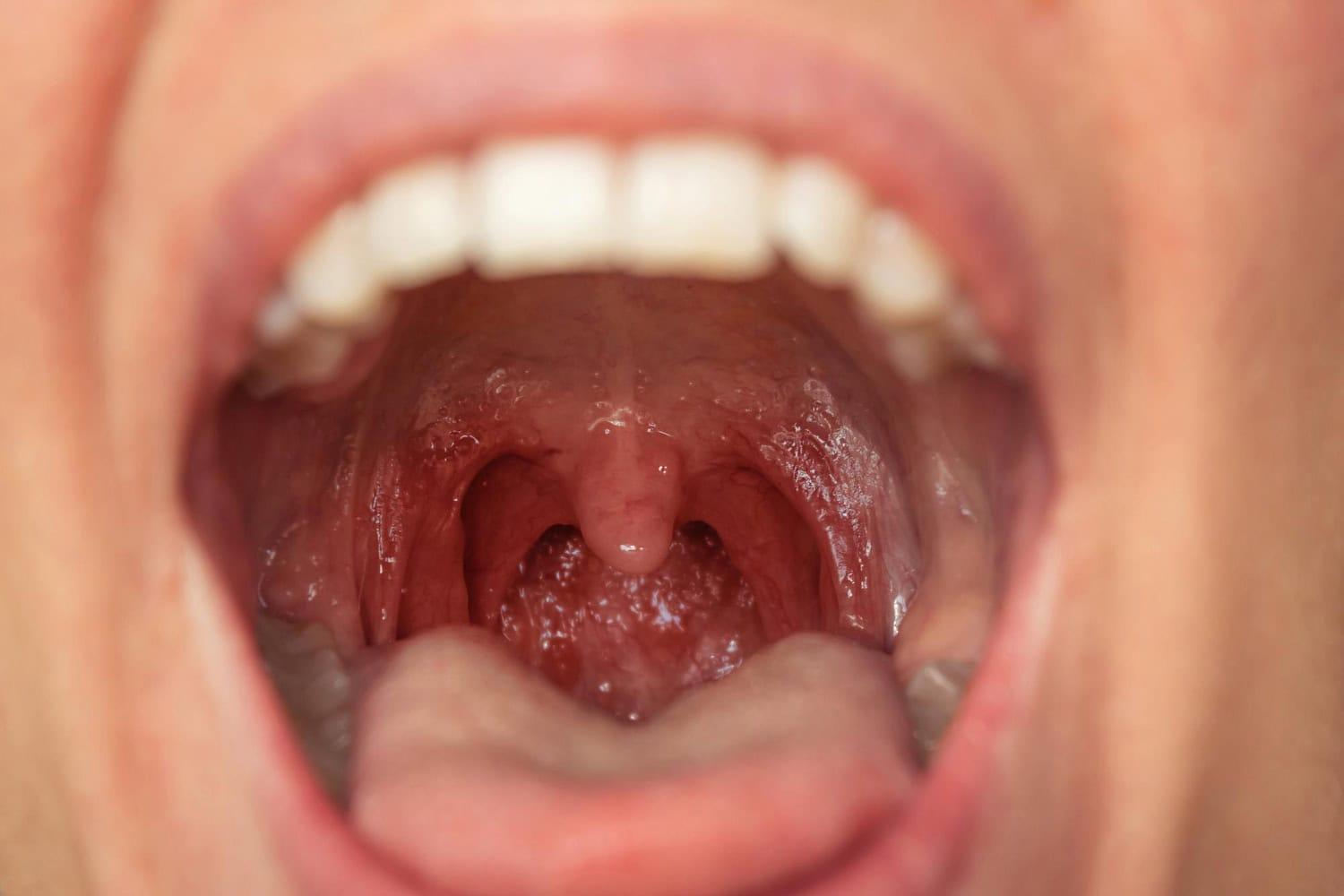
Tonsillitis is a painful and uncomfortable condition that affects the tonsils, which are two oval-shaped tissues located at the back of the throat. These glands play an important role in protecting the body from infections, but they can themselves become infected by bacteria or viruses. Tonsillitis is especially common among children, teenagers, and young adults, but people of all ages can experience it. Whether it’s a mild sore throat or severe swelling that makes swallowing difficult, tonsillitis can significantly impact daily life. This blog explains everything you need to know about its symptoms, causes, diagnosis, and treatment options.
What Is Tonsillitis?
Tonsillitis occurs when the tonsils become inflamed due to an infection. These lymphatic tissues act as the first line of defense in the immune system, capturing microbes that enter through the mouth and nose. When the tonsils become overloaded with harmful germs — such as bacteria or viruses — they swell, turn red, and become painful. Tonsillitis can be acute, lasting only a few days, or chronic, where a person experiences repeated episodes over time. It can also become complicated if the swelling is severe enough to block the airway or cause difficulty swallowing.
Symptoms of Tonsillitis
The symptoms of tonsillitis can vary from person to person depending on the cause and severity of the infection. The most common symptoms include a sore throat, painful swallowing, and visibly swollen red tonsils, sometimes with white patches or pus. Patients may also experience fever, headache, ear pain, and swollen lymph nodes in the neck. Bad breath is another common sign due to bacteria accumulating around the tonsils. In severe cases, patients may struggle to breathe or swallow, especially children, who might refuse to eat. Persistent symptoms should always be evaluated by a healthcare professional.
Causes of Tonsillitis
Tonsillitis is most commonly caused by viral infections, such as the common cold, influenza, or adenovirus. These viruses infect the throat and tonsils, causing pain and swelling. However, bacterial infections can also trigger tonsillitis, with Streptococcus pyogenes (Group A Streptococcus) being the most common bacterial cause. This type of infection is commonly known as “strep throat.” Allergies, exposure to smoke, and poor hygiene can also increase the risk of developing tonsillitis. Understanding whether the cause is bacterial or viral is important because it determines the treatment approach.
Types of Tonsillitis
Tonsillitis can be divided into different types depending on how frequently it occurs and how severe it is. Acute tonsillitis develops suddenly and usually resolves within a week with proper care. Recurrent tonsillitis involves repeated episodes several times a year and often affects school-going children. Chronic tonsillitis lasts for long periods, with symptoms never completely disappearing. In some cases, tonsillitis may lead to complications like peritonsillar abscess, which is a painful collection of pus behind the tonsils that requires urgent medical attention. Identifying the type helps determine long-term treatment.
How Tonsillitis Is Diagnosed
Diagnosis typically begins with a physical examination in which the doctor checks the throat, tonsils, and lymph nodes. They may use a tongue depressor to get a clear view of inflammation or pus. If bacterial infection is suspected, a throat swab test or strep test is performed to confirm the presence of Streptococcus bacteria. Blood tests may also be recommended in chronic or complicated cases. Early and accurate diagnosis ensures that the patient receives the right treatment, especially since bacterial tonsillitis requires antibiotics while viral cases do not.
Treatment Options for Tonsillitis
Treatment depends on the cause and severity of the infection. Viral tonsillitis usually improves with rest, hydration, warm liquids, throat lozenges, and over-the-counter pain relievers like ibuprofen. Antibiotics are prescribed only for bacterial tonsillitis to eliminate the infection and reduce complications. Completing the full antibiotic course is essential to prevent recurrence. In cases of chronic or recurrent tonsillitis, doctors may recommend tonsillectomy, a surgical procedure to remove the tonsils. This surgery is safe, commonly performed, and significantly reduces repeated infections.
Home Remedies and Self-Care Tips
Home remedies can provide relief while the infection heals. Gargling with warm salt water reduces throat pain and inflammation. Drinking warm beverages such as honey water, soups, or herbal teas can soothe the throat. Using a humidifier keeps the air moist, easing dryness and irritation. Avoiding cigarette smoke, staying hydrated, and resting the voice also contribute to faster healing. For children, offering soft foods like yogurt, mashed potatoes, or ice cream can make swallowing easier. These simple measures support recovery and reduce discomfort.
When to See a Doctor + Book Appointment with Best ENT Specialist via InstaCare
You should consult a doctor if symptoms last more than 3–4 days, if fever is high, or if swallowing becomes extremely painful. Severe tonsillitis can lead to dehydration, breathing issues, or abscess formation, all of which require urgent medical care. If tonsillitis keeps returning multiple times a year, it might be a sign of chronic tonsillitis, and the doctor may discuss long-term solutions such as tonsillectomy. Prompt evaluation ensures the condition does not worsen.
Book appointment with best ENT Specialist via InstaCare.
Conclusion
Tonsillitis is a common condition but can be incredibly uncomfortable and disruptive. Early recognition of symptoms, proper diagnosis, and appropriate treatment play a vital role in quick recovery. Whether caused by viruses or bacteria, timely medical care helps prevent complications and reduces the chances of recurrence. With the right treatment plan and self-care measures, most patients recover within a few days and return to normal activities without any long-term issues.
FAQs
1. How long does tonsillitis usually last?
Most cases of tonsillitis last about 3 to 7 days, depending on the cause and treatment.
2. Is tonsillitis contagious?
Yes, viral and bacterial tonsillitis can spread through coughing, sneezing, and close contact.
3. Can tonsillitis go away without antibiotics?
Yes, viral tonsillitis improves without antibiotics. Only bacterial infections require antibiotic treatment.
4. When is surgery needed for tonsillitis?
Tonsillectomy may be recommended for chronic tonsillitis, recurrent episodes, or complications like abscesses.
5. Can adults get tonsillitis?
Yes, although it’s more common in children, adults can also develop tonsillitis and may experience more severe symptoms.

 English
 Arabic
 French
 Spanish
 Portuguese
 Deutsch
 Turkish
 Dutch
Dutch
 Italiano
 Russian
 Romaian
 Greek
Greek